





Understanding the Janmashtami Vrat
Before planning meals, it's helpful to know the different types of fasts observed on Janmashtami. The choice often depends on family tradition, age, and health. The strictest is the 'Nirjala' vrat, where devotees abstain from both food and water. The more
common form is the 'Phalahar' vrat, which allows for the consumption of fruits, milk products, and specific non-grain foods. Many people follow this path, which allows for nourishment while still adhering to the spirit of the fast. This guide focuses on planning for a Phalahar vrat.
Foods to Embrace: Your Vrat-Friendly List
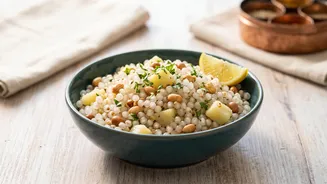
A Phalahar diet is far from restrictive if you know the permitted ingredients. Grains like wheat and rice are avoided, but several alternatives form the base of vrat cooking. Your 'yes' list includes special flours like Kuttu (buckwheat), Singhara (water chestnut), and Rajgira (amaranth). Sabudana (tapioca pearls) and Samak (barnyard millet) are also staples. For vegetables, potatoes, sweet potatoes, raw bananas, and pumpkin are widely used. All fruits and dairy products like milk, curd, and paneer are permitted. For seasoning, regular table salt is replaced with Sendha Namak (rock salt).
Foods to Strictly Avoid
The list of foods to avoid is just as important. All regular grains and cereals, such as wheat, rice, and oats, are prohibited. This also includes all kinds of lentils and pulses (dal). Onions and garlic are considered tamasic (foods that create restlessness) and are strictly avoided in sattvic vrat cooking. Regular table salt is swapped out for rock salt. It’s also customary to avoid all non-vegetarian food, eggs, alcohol, and tobacco during this sacred period.
A Sample Meal Plan for Your Vrat Day
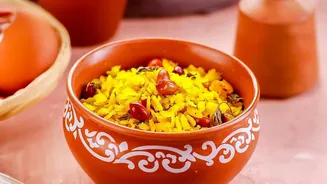
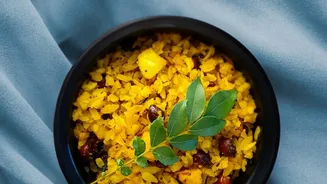
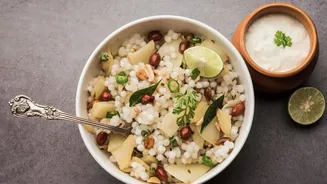
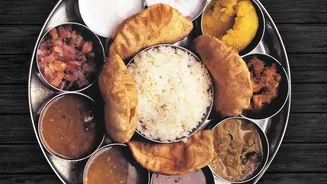
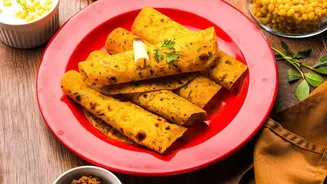
Planning your meals can help you avoid last-minute stress and ensure you stay nourished. Here is a simple, traditional plan for a Phalahar vrat day: Morning: Start your day after prayers with a light meal. A bowl of mixed fresh fruit with a glass of milk or a handful of roasted makhana (fox nuts) works well. Mid-day Meal: For lunch, you can prepare a more substantial meal. Kuttu ki Puri with a simple Vrat-friendly Aloo Sabzi (potato curry made with rock salt and tomatoes) is a classic combination. A side of plain curd helps balance the meal. Evening Snack: If you feel hungry in the late afternoon, a fruit chaat or a glass of lassi can be refreshing. Main Meal (Post-Puja): Many break their fast after the midnight puja. A popular and comforting dish is Sabudana Khichdi, made with tapioca pearls, potatoes, and roasted peanuts. Alternatively, Samak rice pulao with a side of yogurt is another excellent choice. For dessert, Makhana Kheer offers a sweet and creamy end to the day.
Tips for a Healthy and Mindful Fast
Fasting is an act of discipline, but it's important to be mindful of your health. If you are following a Phalahar vrat, remember to stay hydrated with water, coconut water, or milk. It's also easy to fall into the trap of eating too many fried foods like puris and vadas. Try to balance your meals with roasted, steamed, or boiled options to avoid feeling heavy. Most importantly, listen to your body. The purpose of the fast is devotion, not endurance. Prepare simple meals ahead of time so you can spend more of the day in prayer and reflection.