

The Watering Culprit: Too Much or Too Little
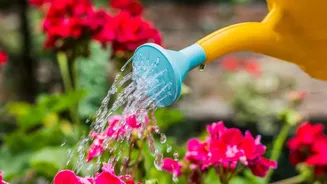
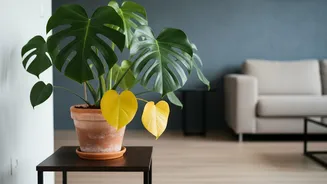
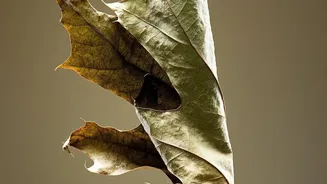
The most common reason for yellowing leaves is improper watering. Both overwatering and underwatering stress the plant, and confusingly, both can result in yellow foliage. Overwatering is the bigger danger. When soil is constantly soggy, roots can't get
oxygen, begin to suffocate, and start to rot. This prevents them from delivering water and nutrients to the plant. The yellow leaves that result often feel soft or mushy. Underwatering, on the other hand, means the plant doesn't have enough water to transport nutrients. These leaves will typically feel dry and crispy. The best way to tell the difference is to feel the soil. Stick your finger two inches deep. If it's damp, hold off on watering. If it's bone dry, it's time for a drink.
Nutrient Needs: Is Your Plant Hungry?
A plant's diet is crucial. If the soil is old and depleted, it may lack the essential nutrients needed for healthy green leaves. A nitrogen deficiency is a common cause, often showing up as a general yellowing that starts with the older, lower leaves and moves up the plant. Deficiencies in other nutrients like potassium, magnesium, or iron can also cause specific patterns of yellowing, such as yellowing between the veins or along the leaf edges. Before you assume a deficiency, consider when you last fertilized. If it's been a while, especially during the growing season, a balanced liquid fertilizer could be the simple solution needed to restore your plant's vibrant colour.
Light and Location: Finding the Sweet Spot
Just like us, plants can get stressed by their environment. Both too much and too little light can cause leaves to turn yellow. A plant that isn't getting enough light can't properly photosynthesize, and may start to shed its lower leaves, which yellow first. You might also notice the plant becoming 'leggy' as it stretches toward the nearest light source. Conversely, a plant that is suddenly moved into intense, direct sunlight can get the equivalent of a sunburn. Its leaves may appear bleached, pale yellow, or develop crispy brown spots. The key is to know your plant's specific light requirements and place it in a spot where it can thrive without being scorched or left in the dark.
It's Not Always a Crisis: Natural Ageing and Pests
Sometimes, a yellow leaf is not a sign of trouble at all. It's perfectly natural for a plant to shed its oldest leaves as it grows. These are typically the leaves at the very bottom of the plant. As they age, they will turn yellow and eventually drop off to make way for new growth. As long as the rest of the plant looks healthy and is putting out new leaves, you have nothing to worry about. However, if you see yellow spots or stippling patterns, especially with fine webbing on the undersides of leaves, inspect your plant closely for pests. Tiny insects like spider mites or mealybugs can suck the sap from leaves, causing them to yellow and die.
When You Actually DO Need to Repot
So, when is repotting the correct answer? You should only repot when the plant is 'root-bound', meaning the roots have filled the entire pot and have no more room to grow. The tell-tale signs are clear: roots growing out of the drainage holes, or a dense, tangled mass of roots visible when you lift the plant from its pot. Other indicators include water running straight through the pot without being absorbed, the soil drying out extremely quickly (within a day or two), or stunted growth where new leaves are smaller than old ones. A plant that is top-heavy and constantly tipping over is also a good candidate for a larger home. Most houseplants only need repotting every one to three years.