








More Than a History Lesson
For generations, history was something confined to dusty textbooks and monotonous museum plaques. It felt distant, academic, and frankly, a bit boring. But a new wave of heritage walks is radically changing that perception. Instead of a dry recitation
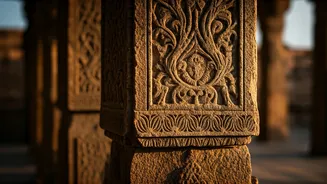
of dates and dynasties, these tours are immersive storytelling sessions. Guides, often young historians, architects, or passionate locals, bring forgotten tales to life. They don't just point to a carved pillar; they narrate the gossip of the royal court that surrounded it, describe the scent of spices in the market that once thrived there, and explain the architectural genius behind a structure in a way that feels immediate and exciting. This shift from passive learning to active experience is a key reason why droves of people in their 20s and 30s are enthusiastically signing up.
The Instagrammable Past
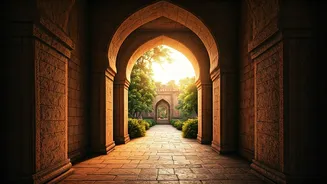
It’s impossible to talk about any youth trend without mentioning social media. India’s ancient architecture—from the intricate jaalis of Mughal-era tombs to the stark geometry of colonial-era buildings—is incredibly photogenic. The visual appeal is a perfect match for platforms like Instagram and Pinterest. A weekend heritage walk offers a feed full of stunning, culturally rich content that stands out from the usual café shots. Tour operators have noticed, often framing their walks around photogenic spots and even sharing tips on getting the best shot. This digital word-of-mouth, where a friend’s stunning Reel from a walk through Mehrauli or a story from old Fort Kochi inspires others, has become a powerful engine of discovery, turning centuries-old sites into trending locations.
Searching for Authentic Roots
Beyond the visuals, there’s a deeper current at play. For a generation that grew up in a rapidly globalising India, amidst Western pop culture and fast-paced urbanisation, there is a growing desire to connect with something tangible and authentic. Heritage walks provide a direct link to their own history and identity. Walking through the same lanes that poets, rebels, and merchants did centuries ago fosters a powerful sense of belonging. It’s a way to understand the layers of your own city and, by extension, your own place within its story. This isn't about rejecting modernity; it's about enriching it by grounding it in a deeper cultural context, turning a generic cityscape into a place full of meaning.
The New Generation of Storytellers
The success of this movement is also a credit to the guides themselves. These aren't just tour guides; they are curators of experience. Many are scholars, artists, and bloggers who have built niche communities around their love for a city’s history. They use modern language, relatable analogies, and a conversational style to make complex histories accessible. Companies and collectives like ‘India Heritage Walks’, ‘Delhi Karavan’, or Kolkata's ‘Calcutta Walks’ have become trusted names, known for their well-researched and engaging narratives. They offer specialised tours focusing on everything from culinary history and forgotten feminist icons to architectural rivalries, ensuring there’s always something new to discover, even for residents who have lived in a city their entire lives.
From Delhi's Tombs to Goan Churches
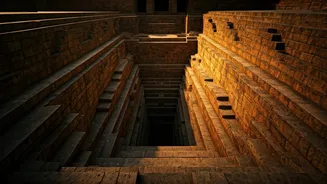
This trend is not confined to one city. In Delhi, walks through the Mehrauli Archaeological Park or Shahjahanabad are constantly sold out. In Mumbai, tours exploring the Art Deco buildings of Marine Drive or the historic fort area are booming. Kolkata sees crowds gathering to learn about its colonial past and the vibrant history of North Calcutta. Even in cities like Hyderabad, Lucknow, and Ahmedabad, local groups are leading explorations of their unique architectural heritage, from Nizam-era palaces to ancient stepwells. The movement is diversifying, moving beyond famous monuments to uncover the hidden gems and untold stories that make each Indian city unique.