



The Heart of Kombucha: What is a SCOBY?
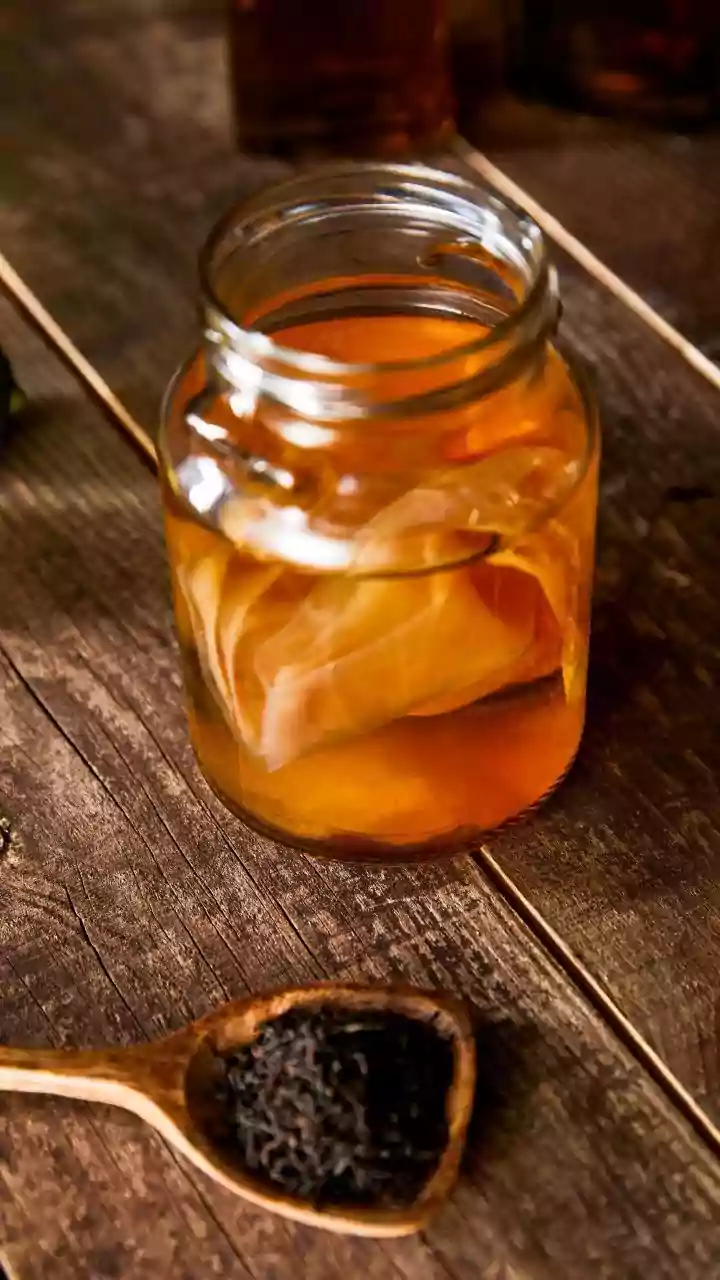
The journey from simple tea to complex kombucha begins with a SCOBY, which stands for Symbiotic Culture of Bacteria and Yeast. This gelatinous, pancake-shaped disc is the living engine of the fermentation process. It's not a mushroom, but a unique biofilm
made of cellulose that houses a diverse community of microorganisms living together. Think of it as a bustling city where different types of bacteria and yeast have specific jobs, all working in harmony. The main residents are typically acetic acid bacteria (like Acetobacter), lactic acid bacteria (like Lactobacillus), and various yeasts (such as Saccharomyces). This living culture is the 'mother' that kickstarts the entire transformation.
Sugar's True Role: Essential Fuel, Not Just Sweetness
Many people are surprised to learn that a health drink starts with a significant amount of sugar. However, the sugar isn't primarily for you; it's essential food for the SCOBY. Without sugar, the fermentation process simply cannot happen. The microorganisms in the SCOBY need this energy to multiply and perform their tasks. The process begins when the yeast in the SCOBY gets to work, breaking down the table sugar (sucrose) into simpler sugars, glucose and fructose. This is the first critical step in converting a basic sweet tea into the complex beverage that is kombucha.
The Magic of Fermentation: A Two-Part Symphony
Once the sugar is broken down, a two-part metabolic symphony begins. First, the yeasts feast on the simple sugars, converting them into a small amount of ethanol and, crucially, carbon dioxide. This carbon dioxide is what will eventually give kombucha its signature fizz. But the process doesn't stop there. The second act belongs to the bacteria. Bacteria, primarily Acetobacter, then consume the ethanol produced by the yeast. In its place, they produce various beneficial organic acids, like acetic acid and gluconic acid. This is what gives kombucha its characteristic tangy, slightly vinegary flavour and also helps lower the pH, protecting the brew from harmful microbes. The longer the fermentation goes on, the more sugar is consumed and the tarter the final drink becomes.
From Sweet Tea to a Probiotic-Rich Drink
This intricate dance between yeast and bacteria completely transforms the original sweet tea. What started as a simple, sugary liquid becomes a beverage rich in probiotics, B vitamins, and organic acids. The term 'probiotic' refers to live microorganisms that can offer health benefits when consumed. The fermentation process cultivates a wide range of these beneficial bacteria and yeasts, such as Lactobacillus, which are known for supporting gut health. While the exact strains can vary, this living ecosystem is what makes kombucha a functional beverage, valued for more than just its taste. A significant portion of the initial sugar is metabolised during this period, resulting in a final product that is much lower in sugar than the tea it started with.
Creating the Bubbles: The Second Fermentation
While some gentle effervescence is produced during the initial (or first) fermentation, the truly satisfying bubbles are created in a second step. This is known as the second fermentation, or F2. After the SCOBY is removed, the kombucha is transferred to airtight bottles, often with a small amount of additional sugar, typically from fruit juice or puree. This extra sugar provides one last meal for the remaining yeast. Trapped inside the sealed bottle, the carbon dioxide produced by the yeast has nowhere to go and dissolves into the liquid, creating carbonation. After a few days at room temperature, the result is a naturally bubbly and flavourful drink, ready to be chilled and enjoyed.