




The Psychology of a Cozy Space
Our connection to texture is deeply psychological. Soft materials can trigger a sense of calm and relaxation, subconsciously signalling to our brains that we are in a safe, comforting environment. Studies in environmental psychology show that encountering
soft, natural textures can even prompt the brain to release oxytocin, the same hormone that fosters feelings of connection and well-being. In a world filled with digital noise and hard, sleek surfaces, introducing softness into our homes helps create a necessary sanctuary. Textured materials absorb and diffuse light, which softens the atmosphere and reduces glare, making a room feel calmer and more intimate.
Styling the Social Heart of the Home
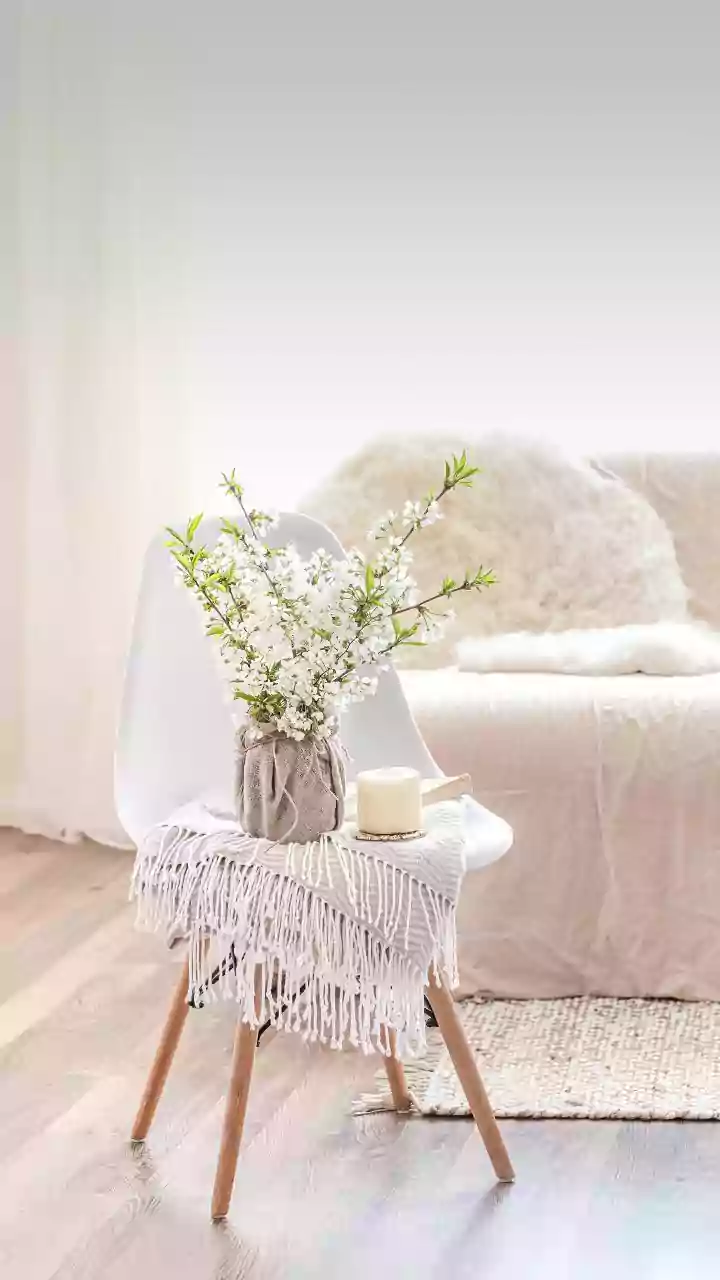
The living room, as a central hub for family and guests, thrives on feeling welcoming. Soft textures are key to achieving this. Start from the ground up with a plush rug that anchors the seating area and provides softness underfoot. A large, deep-pile or woven rug not only adds comfort but also helps absorb sound, reducing echo and creating a more serene space. For seating, think about layering. A sofa upholstered in a tactile fabric like linen or velvet immediately becomes more inviting. If you have a sleek leather couch, you can easily soften its look by draping a chunky knit throw over the arm and adding a collection of cushions in different materials like wool, bouclé, or faux fur.
Mastering the Art of the Layer
Layering is what gives a room depth and a curated feel. The trick is to combine different textures without overwhelming the space. A good rule of thumb is to stick to a complementary colour palette and let the textures do the talking. For example, on a neutral sofa, you could combine a nubby bouclé pillow, a smooth velvet cushion, and a finely woven linen one. This mix of surfaces creates visual interest that invites touch. Don't forget the windows. Heavy drapes in a material like velvet or wool can add a sense of luxury and insulation, while sheer linen curtains diffuse light beautifully, adding another soft layer to the room.
Crafting the Ultimate Reading Retreat
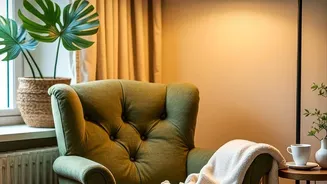
A reading nook is, by definition, a space dedicated to comfort and escape. Here, soft textures are not just an addition; they are the main event. The goal is to create a cocoon-like environment that feels entirely your own. Start with a deep, comfortable armchair, preferably with soft upholstery. Then, layer on the coziness. A soft, oversized throw blanket is a must, ready to be pulled over you on a chilly evening. Add a few plush pillows for back support. Underfoot, a small, shaggy or sheepskin rug can define the space and add a luxurious touch of warmth. The combination of these elements creates a personal sanctuary that encourages you to slow down, disconnect, and get lost in a good book.
More Than Just Fabric
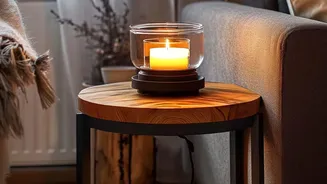
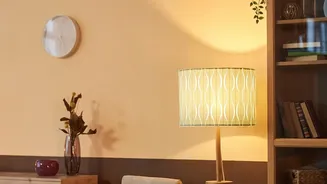
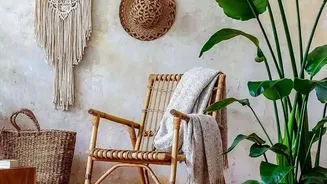
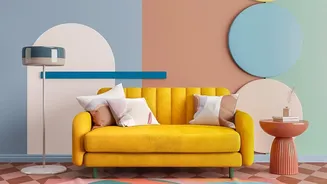
While textiles are the easiest way to add softness, other elements can contribute to the overall feeling. Consider furniture with rounded edges and curved silhouettes, which feel gentler and more approachable than sharp, angular pieces. Natural materials like woven baskets or light-toned wood also add a layer of organic texture that complements soft fabrics. Even lighting plays a part. Using multiple light sources, such as table lamps and floor lamps with fabric shades, creates a soft, ambient glow that highlights the textures in the room and enhances the cozy atmosphere.