

The Festive Breakfast Spread
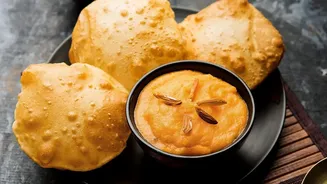
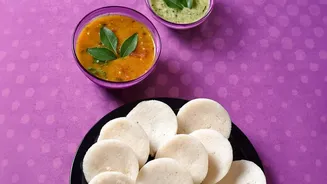
The celebrations on Thiruvonam, the main day of the festival, often begin with a special breakfast. Rather than a simple meal, households prepare an array of comforting and traditional dishes. A popular choice is Puttu, a steamed cylinder of rice flour
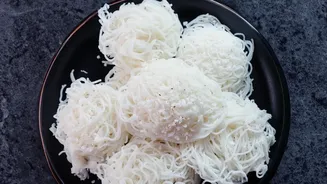
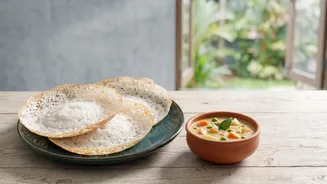
and coconut, served with a hearty Kadala Curry made from black chickpeas. Another favourite is the delicate Idiyappam (string hoppers), which are soft rice noodles often paired with a lightly sweetened coconut milk stew. For those with a sweet tooth, Pazham Nurukku, which consists of ripe plantains steamed with ghee and sugar, offers a simple yet delicious start to a day of feasting. These breakfasts are light yet festive, setting a joyful tone without overwhelming the palate before the day's main events.
Irresistible Snacks for Teatime
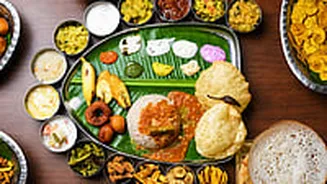
As the day unfolds, families gather and share stories over tea and a variety of freshly made snacks. While banana chips (Upperi) and jaggery-coated banana chips (Sharkara Varatti) are integral parts of the Sadya, they are also enjoyed as standalone treats throughout the Onam season. Another beloved snack is Pazham Pori, a ripe banana fritter with a sweet, gooey centre and a crisp, golden coating. You will also find homes preparing batches of Unniyappam, small, round fritters made from rice, jaggery, banana, and coconut, fried to a delightful dark brown. Equally popular are Achappam, the beautiful rosette-shaped crispy cookies made from rice flour and coconut milk, which add a delightful crunch to the festivities.
Exploring Malabar's Unique Flavours
In the northern regions of Kerala, known as Malabar, the culinary traditions present a different but equally festive palette. While Onam is traditionally associated with a vegetarian feast, the Malabar region often incorporates its signature non-vegetarian dishes into the celebrations. The world-renowned Thalassery Biryani, with its fragrant, short-grain Kaima rice and unique blend of spices, might make an appearance in some households. Malabar cuisine is distinct in its preparations, offering a different take on celebratory food that focuses on rich, layered flavours. This regional diversity showcases how Onam is celebrated with varied culinary customs across the state.
The Syrian Christian Festive Table
For Kerala's Syrian Christian community, festive occasions are often marked with an elaborate spread that includes cherished non-vegetarian delicacies. While they partake in the cultural festivities of Onam, their celebratory meals might feature dishes like rich Beef Ularthiyathu (a dry beef roast with spices) or a flavourful Fish Molee, a gentle curry made with coconut milk. Appam is often served alongside a hearty meat stew, a classic combination in Syrian Christian households. These dishes, deeply rooted in the community's heritage, represent a different facet of Kerala's festive food culture, one where culinary traditions blend with cultural celebrations.
Sweets Beyond the Payasam
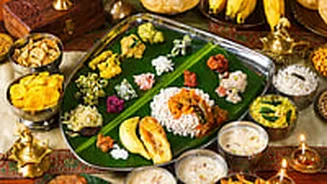
While no Sadya is complete without at least one or two varieties of Payasam, Kerala’s repertoire of sweets is vast. Kozhukatta, steamed rice dumplings with a sweet filling of grated coconut and jaggery, are a festive favourite. These are often prepared on special occasions and are loved for their soft texture and sweet, aromatic filling. Another delicacy is Ilayada, where a similar rice and coconut-jaggery mixture is spread on a banana leaf, folded, and steamed. This process infuses the sweet with the subtle fragrance of the leaf. These traditional sweets offer a different kind of dessert experience, highlighting the use of rice, coconut, and jaggery in various delicious forms.