




The Magic of Fermentation
The secret to the health benefits of traditional Indian pickles lies in one ancient process: lacto-fermentation. This is what separates a gut-friendly pickle from a simple preserved vegetable. In traditional recipes, vegetables or fruits are cured with
salt and spices and often left in the sun. This process encourages the growth of beneficial live bacteria, primarily from the Lactobacillus family. These microorganisms are also known as probiotics. When consumed, they help populate our digestive tract with good bacteria, which is essential for a healthy gut microbiome. A thriving gut microbiome aids in more efficient digestion, better nutrient absorption, and can help reduce issues like bloating and gas.
Traditional vs. Commercial Pickles
It is crucial to understand that not all pickles offer these probiotic benefits. Many mass-produced pickles found on supermarket shelves are made with vinegar and are often pasteurised. While vinegar preserves the pickle and gives it a tangy taste, this method does not involve fermentation and thus contains no live probiotics. Furthermore, the heat from pasteurisation, used to extend shelf life, destroys both harmful and beneficial bacteria. Traditional homemade or artisanally made pickles, on the other hand, use salt and time to preserve the food, creating a thriving environment for these gut-friendly microbes to develop. They rely on natural preservatives like salt, oil, and spices rather than synthetic additives.
A Symphony of Spices and Oils
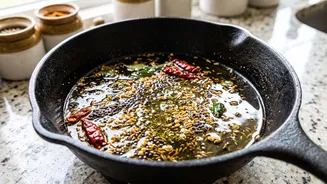
Indian pickles are not just about the main ingredient and salt; they are a complex blend of spices and oils that also contribute to their health-enhancing properties. Spices like turmeric, fenugreek (methi), asafoetida (hing), and mustard seeds are chosen for both flavour and their digestive and anti-inflammatory benefits. Turmeric contains curcumin, a powerful anti-inflammatory compound, while asafoetida is known to be a potent digestive aid that can prevent bloating. The oils used, typically cold-pressed mustard or sesame oil, are also significant. They act as natural preservatives and help the body absorb fat-soluble vitamins and compounds from the spices more effectively.
More Than Just Mango
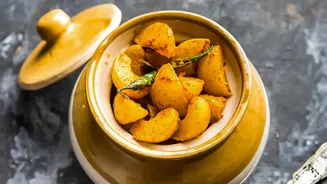
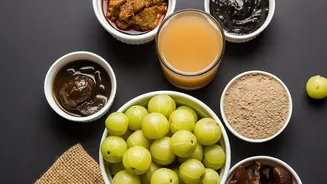
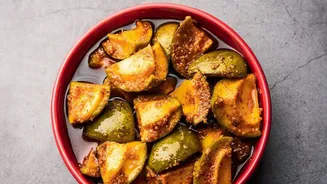
The diversity of Indian pickles means a wide range of nutrients. Amla (Indian gooseberry) pickle is an excellent source of Vitamin C, an important antioxidant that supports the immune system. Lemon pickle is also rich in Vitamin C and can aid in detoxification. Garlic pickle is believed to have properties that help manage cholesterol levels. This regional and seasonal variety ensures that pickles provide a wide array of vitamins and minerals, preserved naturally without the heat of cooking that can often destroy delicate nutrients like Vitamin C.
Enjoying Pickles Mindfully
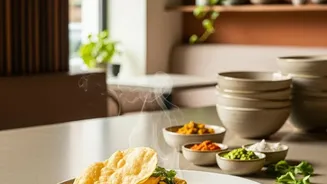
While traditional pickles are beneficial, moderation is key. They are high in salt, which is essential for the preservation process but can be a concern for individuals with high blood pressure or kidney issues. The oil content can also contribute significantly to your daily calorie intake. Nutritionists generally recommend a small serving, about one to two tablespoons daily, consumed as part of a balanced meal. Pairing a small amount of pickle with a meal of dal-rice or roti can enhance flavour and stimulate digestive enzymes, making it a functional and delicious part of your diet.