






The Iron-Deficiency Trap
One of the most common reasons for fatigue in vegetarians is iron deficiency. Iron is crucial for producing haemoglobin, the protein in red blood cells that carries oxygen throughout your body. When you don't have enough iron, your cells don't get the oxygen they
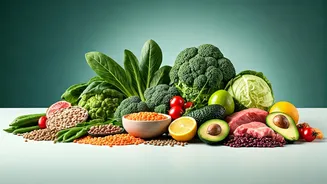
need, leading to tiredness and weakness. Plant-based foods contain a type of iron called non-haeme iron, which is not as easily absorbed by the body as the haeme iron found in meat. Even if your diet is packed with iron-rich foods like spinach, lentils, and beans, you might not be absorbing enough. To boost absorption, pair these foods with a source of vitamin C, like oranges, bell peppers, or tomatoes. Also, be mindful that compounds in tea and coffee can block iron absorption, so it's best to avoid them during meals.
The Vitamin B12 Blind Spot
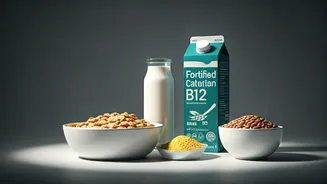
Vitamin B12 is a powerhouse nutrient for energy production and nerve function. A deficiency can lead to significant fatigue, weakness, and even neurological problems. Here’s the catch for vegetarians: vitamin B12 is found almost exclusively in animal products. While lacto-ovo vegetarians get some from eggs and dairy, it's often not enough, and for vegans, the risk is much higher. Many people on plant-based diets don't get the recommended daily amount, leading to symptoms like sluggishness and brain fog. The only reliable vegetarian sources are fortified foods—like certain plant milks, breakfast cereals, and nutritional yeast—or a B12 supplement. This is one nutrient that cannot be overlooked.
Are You Getting Enough Protein?
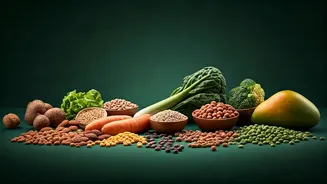
Protein is often called the building block of life, and for good reason. It’s vital for repairing cells, supporting a healthy immune system, and producing enzymes and hormones. A lack of protein can directly lead to fatigue and low energy. While many plant foods contain protein, not all of them provide a complete amino acid profile on their own. If your diet leans heavily on carbs and you're not paying attention to combining protein sources—like beans with rice—you might not be getting the complete protein your body needs to function optimally. Including diverse protein sources like tofu, tempeh, lentils, nuts, and quinoa throughout the day is crucial for keeping your energy levels stable.
The Calorie and Nutrient Density Conundrum
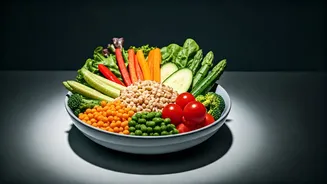
It's easy to fall into the trap of eating foods that are 'healthy' but not very calorie-dense. A large salad is nutritious, but it might not provide enough energy to fuel your day. Fatigue can be a simple sign that you're not consuming enough calories for your body's needs. Plant-based diets are naturally high in fibre, which can make you feel full, but you might still be in a calorie deficit. Furthermore, other nutrient deficiencies can play a role. Zinc, found in legumes, nuts, and seeds, is important for metabolism. Vitamin D, often called the 'sunshine vitamin', also plays a role in energy levels, and deficiencies are common. Ensuring your diet is not just 'healthy' but also sufficiently dense in calories and a wide range of micronutrients is key to preventing fatigue.