







A New Window Into Your Body
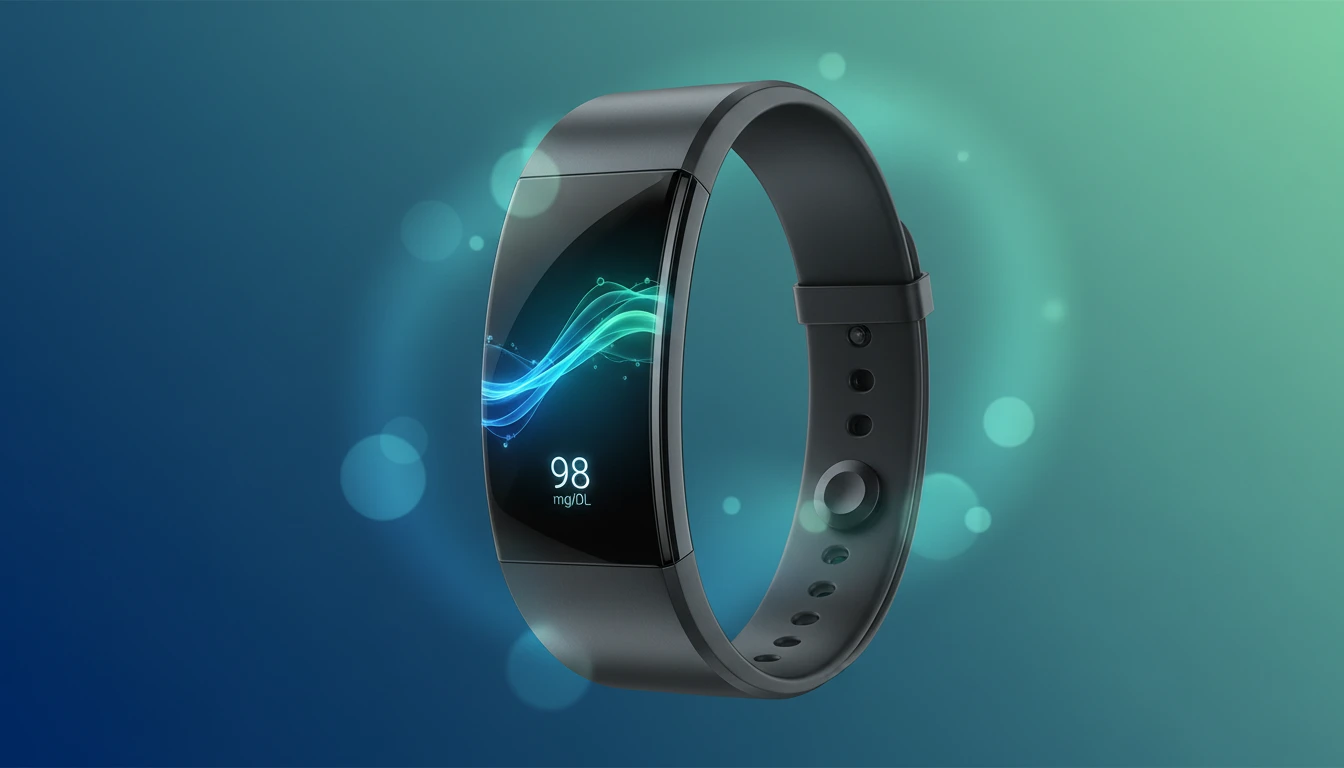
Once reserved for managing diabetes, continuous glucose monitors (CGMs) are now being adopted by health-conscious individuals and fitness enthusiasts. These small, wearable sensors, typically worn on the back of the arm, measure the glucose in the fluid
just under your skin. They provide a constant stream of data to a smartphone app, painting a detailed picture of how your blood sugar levels fluctuate 24/7. This move from clinical to general wellness use represents a major shift, allowing people without diabetes to proactively manage their metabolic health and understand the immediate impact of their lifestyle choices.
The Science of the Sugar Craving Cycle
So, why do we get intense cravings for sweets? It often comes down to a physiological rollercoaster. When you eat simple carbs or sugary foods, your blood glucose spikes rapidly. In response, your pancreas releases insulin to help move that sugar into your cells for energy. However, a large, fast spike can cause an overcorrection, leading to a subsequent crash where your blood sugar drops too low. This crash is what triggers the brain's reward center and powerful hunger hormones, sending you urgent signals for a quick energy source—usually more sugar. This creates a vicious cycle of spikes, crashes, and cravings that can sabotage fitness goals.
Connecting Data to Your Diet
This is where continuous monitoring becomes a game-changer. Abstract nutritional advice is one thing, but seeing your own body's data in real-time is another. When you eat a pastry and see your glucose level soar on an app an hour later, followed by a dip that coincides with a sudden craving, the cause-and-effect relationship becomes undeniable. This powerful biofeedback loop helps you identify personal trigger foods far more effectively than guesswork. Studies and user reports show that this real-time data can be highly motivating, with many users modifying their food choices based on what they see.
Personalising Your Plate for Stability
With a CGM, fitness buffs can become scientists of their own bodies. You can experiment with food pairings to see what blunts a glucose spike. For instance, you might see that adding protein, healthy fats, or fiber to a carbohydrate-rich meal leads to a much gentler, more stable glucose curve. This allows for a highly personalized approach to nutrition that goes beyond generic diet plans. Instead of just cutting out carbs, you learn how to combine foods to keep your energy steady, which in turn helps prevent the crashes that lead to cravings. You can also see how factors like stress or a poor night's sleep affect your glucose regulation the next day, providing a more holistic view of your health.
Beyond Cravings: Optimising Performance
The benefits extend well beyond managing a sweet tooth. Stable glucose levels are linked to more consistent energy throughout the day, improved mood, better sleep, and reduced brain fog. For fitness enthusiasts, this data is invaluable for optimising workouts. You can learn how to properly fuel your body before exercise for maximum performance and what to eat afterward to replenish energy stores without causing a massive spike. By understanding your unique metabolic responses, you can tailor your entire lifestyle—from meal timing to workout intensity—to keep your body balanced and working efficiently.