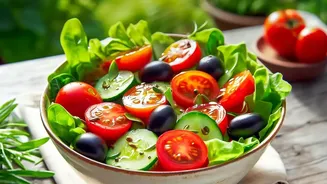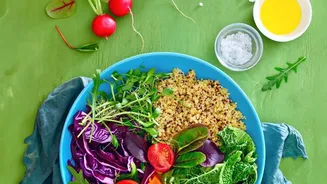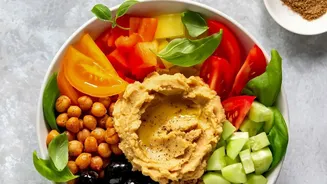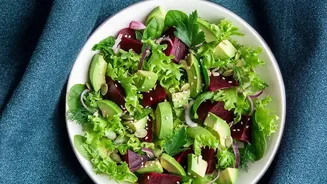


Why Add Grains to Your Salad?
Beyond adding a pleasant textural chewiness, incorporating wholegrains into your salads brings a wealth of nutritional benefits. Grains are packed with fibre, which aids digestion and helps you feel fuller for longer, making your salad a more substantial
and satisfying meal. They also provide essential nutrients like B vitamins, iron, and protein. This simple addition transforms a salad from a light accompaniment into a well-rounded main course, perfect for a healthy lunch or a light dinner. Many grains can be cooked in large batches and stored in the refrigerator for several days, making weekday meal prep a breeze.
The Chewy & Nutty Staple: Farro
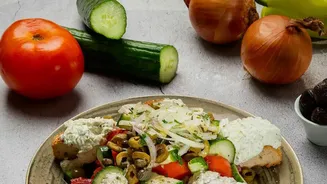
An ancient wheat grain popular in Italy, farro is prized for its delightful chew and nutty flavour. It’s incredibly versatile and holds up well in salads without becoming mushy. There are a few types available, including whole, semi-pearled, and pearled; pearled farro is the quickest to cook, typically ready in 15-20 minutes. To cook, simply boil it in a generous amount of salted water, similar to pasta, until it's tender but still has a slight bite. Once cooked, drain it well and let it cool before tossing it into your salad. Farro pairs beautifully with robust Mediterranean ingredients like feta cheese, Kalamata olives, sun-dried tomatoes, and a zesty lemon-herb vinaigrette.
The Quick & Easy Classic: Bulgur
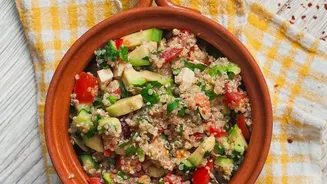
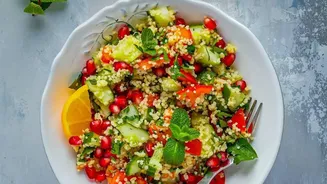
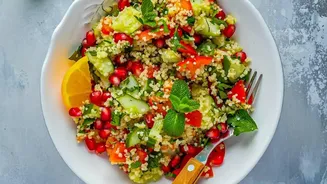
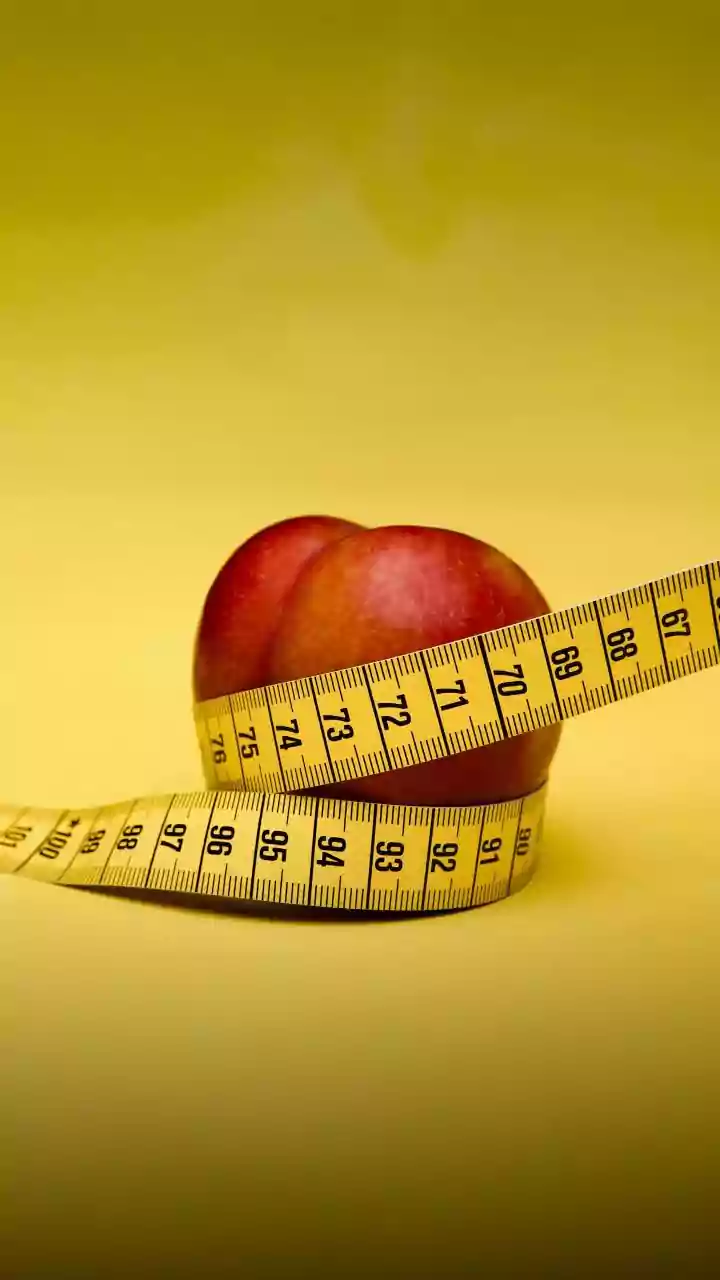
Bulgur is a staple in Middle Eastern and Mediterranean cuisine, most famously used in tabbouleh. It's a whole wheat grain that has been par-cooked, cracked, and dried, which means it's incredibly quick to prepare. Fine bulgur, used for tabbouleh, requires no cooking at all—simply soak it in hot or even cold water for 15-30 minutes until it's tender. Coarser grinds may need to be simmered for about 12 minutes. With its subtle, earthy flavour, bulgur is a fantastic canvas for fresh herbs like parsley and mint, chopped tomatoes, cucumbers, and a bright lemon and olive oil dressing. Because of its lower calorie and higher fibre content compared to some other grains, it can be a great choice for weight management.
The Protein-Packed Powerhouse: Quinoa
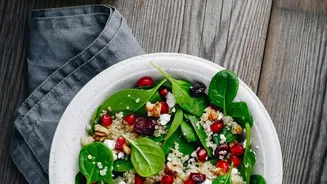
Though technically a seed, quinoa is prepared and eaten like a grain and has become a global health food star. It stands out because it's a complete protein, containing all nine essential amino acids. It's also naturally gluten-free. To achieve fluffy, perfect quinoa, it's best to rinse it in a fine-mesh sieve before cooking to remove its natural bitter coating, called saponin. The standard method involves simmering one part quinoa with about one-and-a-half to one-and-three-quarters parts water for about 15 minutes, or until the liquid is absorbed. Let it stand, covered, off the heat for 5-10 minutes before fluffing with a fork. Its light, slightly poppy texture works well with roasted vegetables, chickpeas, and all manner of vinaigrettes.
Perfect Grains, Every Time
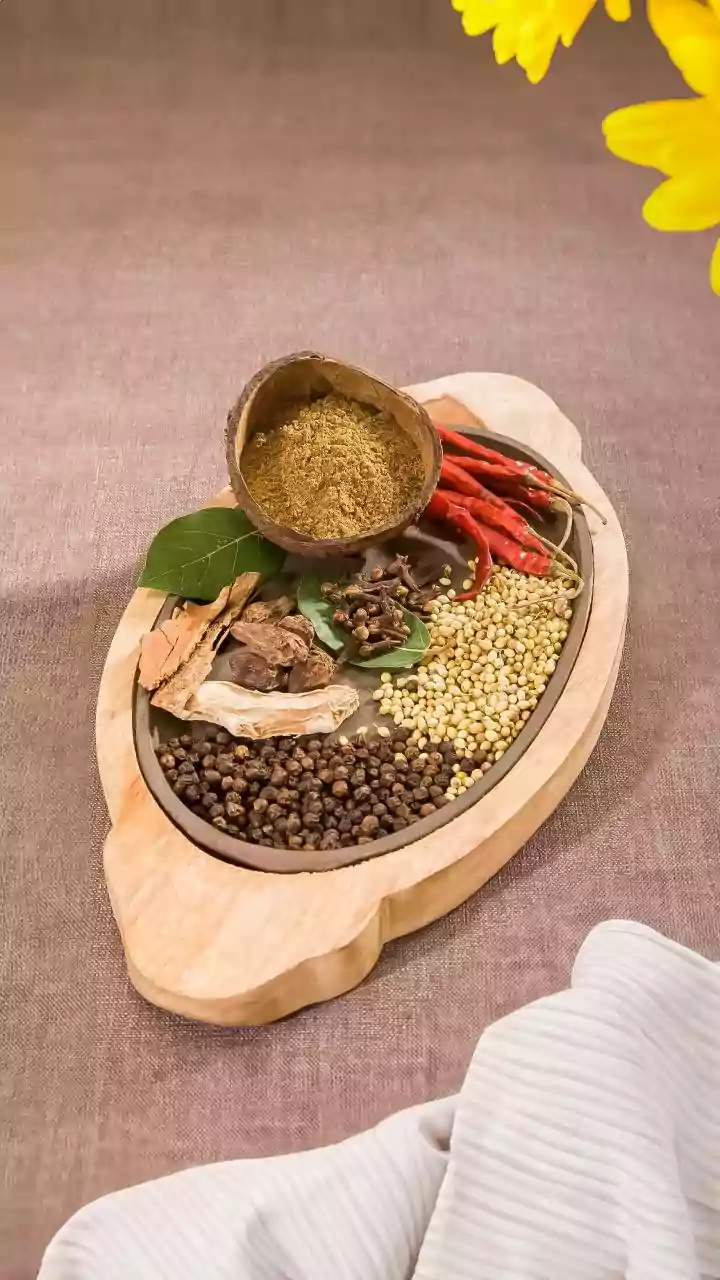
A few simple tricks can elevate your salad grains from good to great. For a significant flavour boost, cook your grains in vegetable or chicken broth instead of water. You can also add aromatics like a bay leaf or a garlic clove to the cooking liquid. Toasting the dry grains in a skillet for a few minutes before adding liquid can deepen their nutty flavour. After cooking, it's crucial to let the grains cool completely before mixing them with delicate greens to prevent wilting; spreading them on a baking sheet can speed up this process. Finally, while a simple dressing of extra virgin olive oil and fresh lemon juice is classic, don't be afraid to experiment. A touch of Dijon mustard or honey can add complexity and balance to your vinaigrette.