
The Great Indian Road Trip, Reimagined
For generations, the Indian road trip was a romantic but often gruelling affair, a battle against potholes, unpredictable traffic, and winding single-lane roads. Today, that narrative is being rewritten in asphalt and concrete. A massive nationwide push
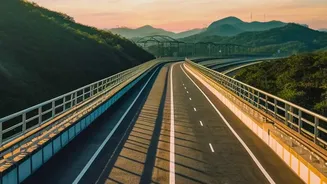
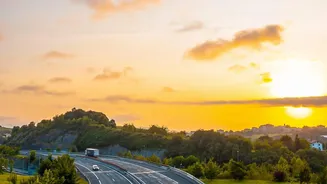
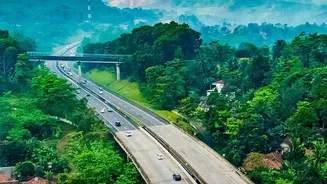
to build and upgrade highways is fundamentally changing domestic tourism. Projects under the Bharatmala Pariyojana and other government initiatives are creating a network of world-class expressways, slashing travel times between major cities and remote destinations. The result is a cultural shift. Spurred by the convenience of faster and safer roads, a growing number of Indians are choosing to drive rather than fly or take the train, rediscovering the joy of the journey itself. This trend is not just about reaching a destination faster; it's about making travel more spontaneous, flexible, and accessible for everyone.
Expressways as Economic Lifelines
These new arteries of transport are more than just a convenience for tourists; they are powerful engines of economic growth. Take the landmark Delhi-Mumbai Expressway, which is set to cut the travel time between India's political and financial capitals from 24 hours to just 12. This improved connectivity doesn't just benefit truckers and business travellers. It makes historical cities like Jaipur, Udaipur, and Ahmedabad more accessible for weekend trips, boosting tourist numbers and stimulating local economies. As these highways snake through the country, they open up previously passed-over towns and regions. This encourages the development of hotels, restaurants, and other tourist facilities, creating jobs and providing new opportunities for local artisans and entrepreneurs to reach a wider market.
New Routes, New Adventures
The expanding highway network is putting new destinations on the map and making old favourites more reachable. The recently developed Delhi-Dehradun Expressway has nearly halved travel time to the Himalayan foothills, reducing a six-hour drive to about two and a half hours, making a quick mountain getaway a reality for Delhiites. Similarly, the Yamuna Expressway has long been a favourite for those making the trip from Delhi to Agra. Data shows that while major metro-to-metro routes like Mumbai-Pune remain the busiest, the fastest-growing corridors are those connecting to Tier-2 cities and leisure destinations, such as Ahmedabad-Vadodara and Chennai-Puducherry. Even in the remote Northeast, projects like the Trans-Arunachal Highway are opening up some of the country's most stunning landscapes to a new wave of explorers, improving access for locals and tourists alike.
From Destination to Journey
This infrastructure boom is also fostering a change in the traveller's mindset. With smoother, faster, and safer roads, the focus is shifting from merely reaching the endpoint to savouring the experience along the way. The journey itself—with its impromptu stops at roadside dhabas, detours to forgotten forts, and discoveries of small-town markets—is becoming a central part of the vacation. This shift encourages a deeper, more authentic engagement with the country's diverse landscapes and cultures. It allows travellers the flexibility to explore lesser-known destinations that were previously too difficult or time-consuming to reach, promoting a more distributed and sustainable form of tourism that benefits smaller communities. This newfound freedom and spontaneity are at the heart of the modern Indian road trip.