

For wildlife photographers in India, the transition to winter brings a unique opportunity. The harsh glare of summer and the downpours of monsoon give way to a season of crisp air, active animals, and most importantly, exceptional light.
The Magic of Soft, Angular Light
The primary reason
winter is a boon for photographers is the quality of the light. During winter months, the sun sits lower in the sky for a much larger portion of the day. Unlike the harsh, overhead sun of summer that creates deep, unflattering shadows and blown-out highlights, winter light is naturally softer and more directional. This low-angled light wraps around subjects, revealing texture and form without creating extreme contrast. Overcast winter skies act like a giant softbox, diffusing the light evenly and reducing harsh shadows, which is perfect for capturing detail in an animal's coat or the forest undergrowth. This soft, clean light allows for richer colours and more balanced exposures, transforming a simple wildlife portrait into a professional-quality image.
Golden Hours That Linger
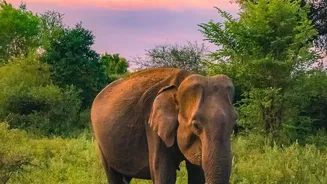
Every photographer cherishes the 'golden hour'—the period shortly after sunrise and before sunset when the light is warm, soft, and magical. In winter, these coveted windows are significantly extended. The sun rises later and sets earlier, meaning you don't have to be out in the pre-dawn darkness for as long to catch the perfect sunrise shot. More importantly, the sun's low trajectory means that the beautiful, warm light associated with the golden hour can last for much longer, giving you more time to find your subject and compose the perfect frame. On a safari, where every moment counts, these extended periods of ideal light are invaluable, allowing for more shooting opportunities during morning and evening drives when animals are most active.
Atmosphere, Mist, and Mood
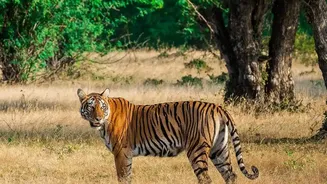
Winter mornings in many of India’s national parks are synonymous with mist and fog, especially in the Himalayan foothills like Jim Corbett or the dense forests of Madhya Pradesh. While it might seem like a challenge, mist is a photographer's secret weapon for creating atmosphere. Fog simplifies a chaotic forest background, hiding distracting elements and creating a sense of depth and mystery. A tiger emerging from a misty sal forest or a herd of deer silhouetted against a foggy meadow creates an ethereal, moody shot that tells a powerful story. These conditions are almost exclusive to the winter season and provide an artistic element that is impossible to replicate in the clear, hot days of summer.
More Active and Visible Wildlife
The pleasant daytime temperatures of winter encourage animals to be active for longer periods. Instead of seeking shelter from the intense heat, mammals like tigers, leopards, and deer can often be seen basking in the gentle winter sun. The post-monsoon vegetation begins to dry and thin out, improving visibility through the forest. Furthermore, winter is a crucial time for animal behaviour; for instance, it's a peak period for the tiger mating season, meaning they are often more vocal and active. In parks like Ranthambore, the sambar deer rutting season can lead to dramatic predator-prey interactions. Many mammals also sport thicker, healthier winter coats, making for more impressive portraits.
Top Parks for a Winter Safari
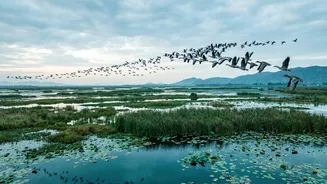
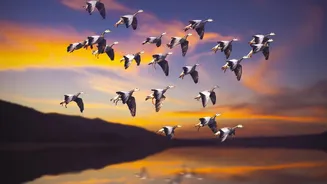
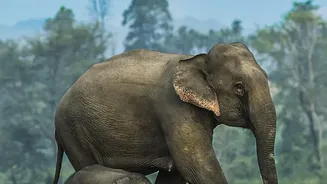
Several national parks across India offer spectacular winter experiences. Jim Corbett National Park in Uttarakhand is famous for its misty landscapes and elephant herds. The 'tiger state' of Madhya Pradesh, with parks like Bandhavgarh, Kanha, and Pench, provides high chances of tiger sightings amid lush sal forests. Ranthambore in Rajasthan, with its historic fort and beautiful lakes, is another prime tiger sighting location where the animals are often seen against stunning backdrops. For birdwatchers, Keoladeo National Park in Rajasthan becomes a haven for thousands of migratory birds from Central Asia and Siberia.
Essential Winter Photography Tips
To make the most of a winter safari, be prepared. Dress in warm layers, including a windproof jacket, beanie, and gloves, as early morning drives can be very chilly. Protect your camera gear from dust, which is prevalent in most parks, by using dust covers or even a simple pillowcase. While a long telephoto lens (400–600mm) is ideal for closeups , don't forget a wider lens like a 70–200mm to capture animals within their beautiful , misty environments. Finally , always wear muted , earthy tones like greens and browns to blend in with the surroundings and avoid disturbing the wildlife.