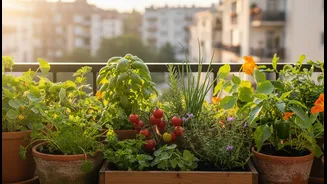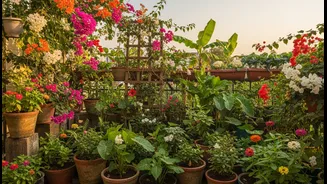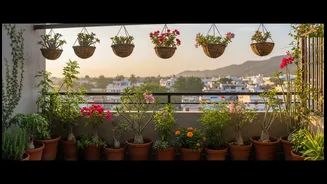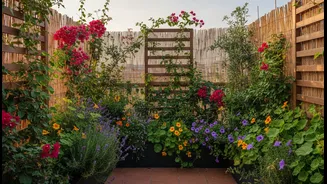





What is a Climate-Suitable Garden?
A climate-suitable or climate-resilient garden is one designed to flourish in its local environment with minimal external resources. For most of India, this means selecting plants that are naturally tolerant of heat and periods of dryness. The goal is to move
away from water-guzzling, high-maintenance plants that struggle in our climate and instead embrace hardy varieties that thrive. This approach not only conserves a precious resource but also significantly cuts down on the time and effort you spend on garden care. It’s a smarter, more sustainable way to bring nature into your urban home.
Choosing the Right Plants
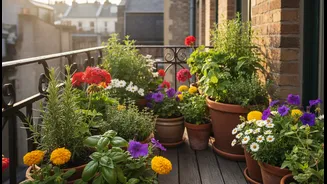
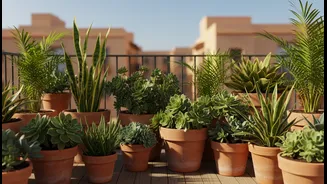
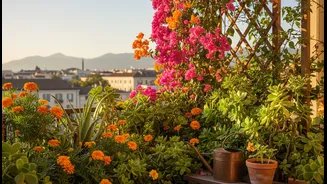
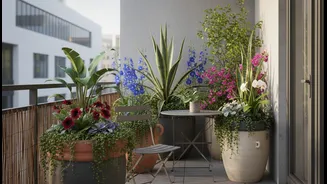
Plant selection is the most crucial step. The key is to choose species that are naturally adapted to heat and require less water. Succulents and cacti are obvious champions here. Varieties like Aloe Vera, Jade Plant, Agave, and Snake Plant are not only tough but also add a modern, architectural look. For a splash of colour, Bougainvillea is an iconic choice for Indian summers, as it actually blooms more profusely when slightly water-stressed. Other brilliant, low-water flowering options include Portulaca (Moss Rose), Lantana, and Marigolds. Even herbs like Tulsi (Holy Basil) and Rosemary are well-suited to sunny balconies and container growing.
Smarter Soil and Containers
The right foundation can drastically reduce your watering duties. Start with a well-draining potting mix. Heavy garden soil compacts in pots, leading to waterlogged roots. A lighter mix containing cocopeat, perlite, or sand improves aeration and drainage. The type of container also matters. Terracotta pots are porous and allow soil to breathe, which is great for preventing root rot but also means they dry out faster. Plastic pots retain moisture longer. If you use terracotta, you can consider sealing the inside to slow water loss. For a truly low-effort setup, self-watering planters can be a game-changer, providing a consistent moisture supply from a built-in reservoir.
Mastering Water-Wise Techniques
How and when you water is just as important as what you plant. Avoid a fixed daily schedule; instead, check the soil by poking your finger an inch or two deep. If it feels dry, it's time to water. Water deeply and slowly until you see it run from the drainage holes, allowing the entire root ball to get saturated. This encourages deeper root growth and is better than a light, daily sprinkle. Always water in the early morning or late evening to minimise evaporation. On hot afternoons, the water can evaporate before it even reaches the roots.
The Power of Mulch and Shade
Two simple additions can make a huge difference. First, apply a layer of mulch on top of the soil in your pots. Organic mulch like shredded bark or wood chips shades the soil, keeping it cooler and significantly reducing water evaporation. This protective layer also prevents the soil from forming a hard crust. Second, be strategic with placement. Grouping pots together allows them to shade one another, creating a more humid microclimate. If possible, move sensitive plants to a spot that receives shade during the scorching afternoon sun. Even sun-loving plants can get stressed when their roots overheat in a hot pot.