








The Rise of the 'Flexcation'
It used to be called “bleisure,” a clunky portmanteau for tacking a weekend onto a work trip. Today, it’s something more integrated and intentional. Thanks to the widespread adoption of remote and hybrid work, employees are realizing that if they can
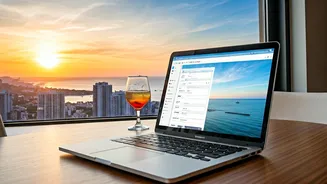
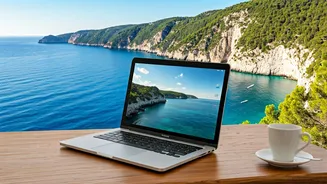
work from their home office on a Friday, they can just as easily work from a hotel room in Denver, Miami, or San Diego. The company flew you out for meetings on Tuesday and Wednesday; why not stay and work remotely Thursday and Friday, then enjoy a well-deserved weekend in a new city? This “flexcation” or “work-from-anywhere” extension is being driven by employees seeking better work-life balance and a way to combat burnout. Instead of a grueling cross-country redeye, they’re choosing a leisurely Saturday return flight, transforming a stressful obligation into a restorative opportunity.
Why Now? The Post-Pandemic Shift
This trend isn't happening in a vacuum. It’s a direct result of the massive workplace shifts since 2020. First, flexibility is the new currency. Companies that allow remote work have inadvertently green-lit the logic behind trip extensions. If your physical presence is only required for specific days, your location on the other days becomes negotiable. Second, there's a growing awareness of employee well-being. Forward-thinking companies see the benefit of employees who use their travel to recharge rather than burn out. A happy, rested employee is a productive employee. Finally, it’s a matter of simple economics. With flight prices soaring, it feels wasteful to fly across the country for a 48-hour trip. Extending the stay makes the cost-per-day of the flight feel much more reasonable, for both the employee and, in some ways, the company's value proposition for sending them.
The Art of a Successful Extension
Making this work requires strategy, not stealth. The goal is to be transparent and professional. The first step is a clear-eyed look at company policy. Review your organization's remote work, travel, and expense guidelines. Many companies are fine with trip extensions as long as the employee covers all personal costs—extra hotel nights, meals, and any difference in airfare for a weekend return. The key is to create a clean separation. Business expenses are what the company pays for; personal expenses are on you. When booking, use a corporate card for the work-portion of the hotel stay and your personal card for the extra nights. Be upfront with your manager. Frame it as a productivity win: “I plan to work remotely from my hotel on Thursday and Friday to avoid a redeye flight and be fresh for Monday.” Most reasonable managers will see this as a mature and responsible approach.
Logistics for the Modern Road Warrior
Once you have the green light, execution is everything. Don't let your performance dip. Those remote workdays need to be just as productive as they would be at home. Ensure your hotel has reliable Wi-Fi and a comfortable workspace. Let your team know your schedule, accounting for any time zone differences, and be fully available during work hours. Pack smart. Instead of two separate wardrobes, think in layers and versatile pieces that can transition from a client dinner to a weekend brewery tour. Most importantly, protect your personal time. When Friday at 5 p.m. hits, close the laptop and truly disconnect. The whole point is to enjoy the “leisure” part of the trip. Explore the city, see the sights, and come back to work on Monday feeling refreshed and engaged, not like you just survived a travel marathon.