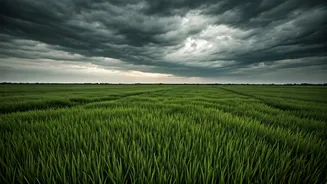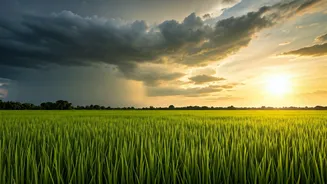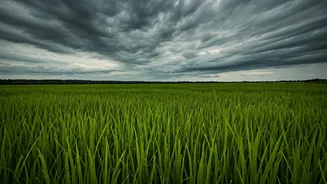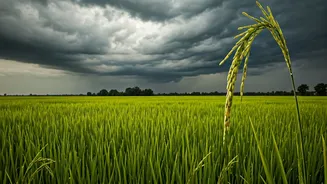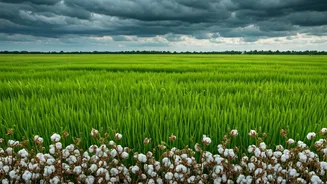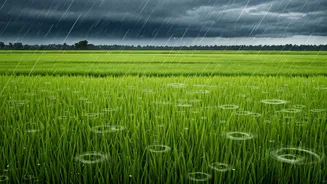




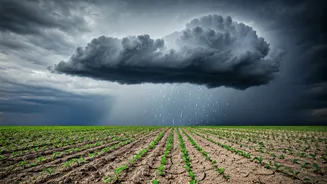
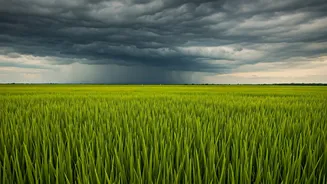


What Exactly Is the Kharif Season?
The term 'Kharif' has Arabic origins, meaning 'autumn', which is when these crops are typically harvested. The Kharif season, also known as the monsoon crop season, begins with the first rains of the southwest monsoon, usually in June or July. Farmers
sow crops like rice, maize, and cotton at this time. The season concludes with the harvest between September and October, though some long-duration crops like sugarcane can extend later. Unlike the winter (Rabi) crops that often rely on irrigation, Kharif crops are fundamentally dependent on the volume and timing of monsoon rains, requiring hot, wet, and humid conditions to thrive.
The Monsoon Lifeline
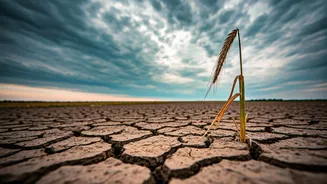
To say rainfall matters is an understatement; the monsoon is the lifeline of Indian agriculture. Around 70% of India's annual rainfall occurs during the monsoon months. Crucially, about 60% of India's total farmland is rain-fed, meaning it lacks access to robust irrigation systems and is directly dependent on precipitation. For millions of farmers, the monsoon dictates everything. A timely, well-distributed monsoon ensures adequate soil moisture for sowing and growth, leading to bountiful harvests. Conversely, a delayed, deficient, or erratic monsoon can spell disaster, leading to widespread crop failure and economic distress.
The Nation's Food Basket
The Kharif season is responsible for a huge portion of India's agricultural output. The primary crops sown during this period are essential staples that feed the nation and fuel its economy. Rice is the most important and water-intensive Kharif crop, cultivated extensively across the country. Other major crops include maize, millets like jowar and bajra, pulses such as arhar and moong, oilseeds like soybean and groundnut, and commercial crops like cotton and sugarcane. Together, these crops form the backbone of India's food security, providing everything from staple grains to protein-rich pulses and edible oils.
A Ripple Effect Through the Economy
The performance of the Kharif season has a direct and powerful impact on the entire Indian economy. A good monsoon and a strong harvest boost the incomes of millions of rural households, which in turn fuels demand for everything from consumer goods and tractors to cement and steel. Bumper crops help keep food prices stable, controlling inflation. A weak monsoon has the opposite effect. Lower agricultural output can lead to food shortages, driving up prices and hurting household budgets. It creates rural distress, increases farmer debt, and can slow down the country's overall GDP growth.
More Than Just Agriculture
The monsoon's influence extends far beyond the fields. The rains are critical for replenishing the country's water reservoirs and recharging groundwater tables. This water is essential not only for irrigation during the subsequent dry (Rabi) season but also for drinking water supplies in cities and villages. Furthermore, these reservoirs are vital for generating hydroelectric power. A strong monsoon ensures that dams have adequate storage to produce electricity, while a weak one can lead to power deficits. Thus, the monsoon's performance directly affects India's water security, energy production, and industrial activity.