
Embrace the Monsoon, Respect the Risks
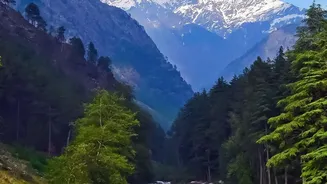
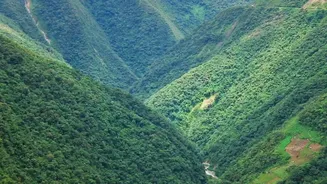
Mid-August is the heart of the monsoon season in Uttarakhand. This is when alpine meadows like the Valley of Flowers are at their most vibrant, bursting with hundreds of flower species under misty skies. However, this beauty comes with challenges. Daily
rainfall is common, making trails wet, muddy, and slippery. While it might not rain all day, showers are frequent, especially in the afternoons. This increases the risk of landslides, which can affect road access to trailheads. Planning early means choosing treks known for their relative stability during monsoon, like the well-paved trail to the Valley of Flowers, and packing essential rain gear, including a poncho, waterproof shoes with good grip, and a rain cover for your backpack.
The Challenge of Holiday Crowds
The Independence Day weekend is one of the most popular times for travel, and Uttarakhand's famous treks see a massive influx of visitors. Popular destinations like the Valley of Flowers can get extremely crowded. This rush puts immense pressure on local resources. Accommodation in base villages like Ghangaria gets fully booked weeks in advance. Last-minute plans often mean compromising on stay quality or paying inflated prices. The high volume of trekkers can also diminish the sense of solitude and peace that many seek in the mountains. By planning ahead, you can secure bookings with reputable operators, ensure comfortable lodging, and sometimes choose less-crowded alternative trails to have a more serene experience.
High Altitude Demands Respect and Time
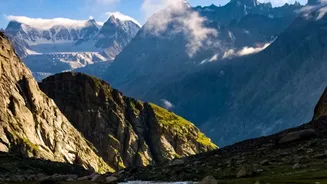
Many of Uttarakhand's valley treks reach altitudes above 3,500 meters, where the risk of Acute Mountain Sickness (AMS) becomes a serious concern. AMS occurs when your body doesn't have enough time to adapt to the lower oxygen levels at high elevations. Symptoms can range from headaches and nausea to life-threatening conditions. The golden rule for preventing AMS is gradual ascent and proper acclimatization, which involves the principle of “climb high, sleep low” and taking rest days. A rushed plan for a long weekend often forces a dangerously fast ascent. Proper planning involves building extra buffer days into your itinerary, allowing your body to acclimatize naturally and ensuring you never ascend with worsening symptoms.
A Last-Minute Planner’s Checklist
If you are still determined to go, swift and smart planning is non-negotiable. First, check the weather forecast and road connectivity daily. Landslides are a real threat, and you must be prepared for delays. Prioritize booking with a certified, experienced local guide or a recognized trekking company; their expertise in monsoon conditions is invaluable. Pack for wet and cold weather: quick-dry clothing, multiple layers, a fleece jacket, and waterproof trekking shoes are essential. Trekking poles are highly recommended for stability on slippery paths. Finally, hydrate well and start your trek early each day to avoid the common afternoon showers. For a true last-minute trip, consider lower-altitude treks like Nag Tibba or Deoriatal, which are beautiful in the monsoon and carry fewer risks.