







What Exactly Is Sumac?
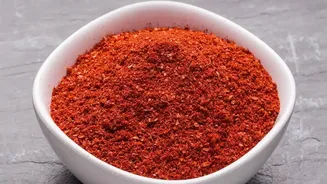
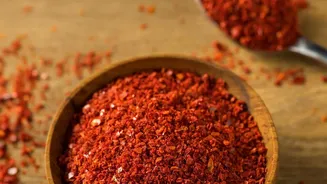
Sumac is a coarse, deep red powder that comes from the dried and ground berries of the wild sumac shrub, Rhus coriaria. A staple in Middle Eastern and Mediterranean cooking for centuries, this spice is prized for its ability to add a tangy flavour to everything
from salads to grilled dishes. The flavour comes from the flesh of the berry, which is dried and then ground, often after the bitter inner seed is removed. It's important to use culinary sumac, which has red berries, and not to confuse it with its distant relative, poison sumac, which produces white berries and is not edible. Long before lemons were widely available in Europe, ancient Romans used sumac as their primary souring agent.
The Taste: Tangy, Not Just Sour
While sumac's flavour is often compared to lemon, the comparison doesn't tell the whole story. Sumac provides a sourness that is less sharp and more rounded than fresh lemon juice. Its tartness comes from malic acid, the same compound found in apples and rhubarb, which gives it a milder, fruitier profile. Think of a bright, slightly earthy tang with notes of cherry or cranberry, rather than the sharp punch of citric acid from a lemon. One of its biggest advantages is that it delivers this acidity in a dry form, meaning you can add sourness to a dish without adding extra liquid, which is perfect for maintaining the crispiness of roasted vegetables or salads.
A Pantry Hero for Vegetarian Cooking
Sumac is exceptionally versatile in vegetarian kitchens. Its ability to cut through richness makes it a perfect companion for dairy-based dishes like raita or paneer marinades. A sprinkle of sumac can instantly brighten up a simple dal or lentil soup, adding a layer of complexity without overpowering other spices. For roasted vegetables like cauliflower, potatoes, or carrots, sumac adds a tangy crust that complements their natural sweetness. It’s also a key ingredient in the popular Middle Eastern spice blend za'atar, which combines sumac with thyme, sesame seeds, and salt. Beyond flavour, its beautiful claret colour adds a vibrant finishing touch to any plate, making dishes like hummus or salads look as good as they taste.
Simple Ways to Use Sumac
Incorporating sumac into your daily cooking is incredibly easy. Start by using it as a finishing spice. Sprinkle it over your morning avocado toast or a bowl of dahi for an instant flavour lift. Toss it into any salad dressing for a lemon-like brightness without the extra liquid. A simple combination of olive oil, sumac, and salt makes a fantastic dressing for a cucumber and tomato salad. For a flavourful snack, try dusting freshly fried or roasted okra with a mix of sumac and salt. You can also make a simple marinade for paneer or vegetables using hung curd, garlic paste, chilli powder, and a generous amount of sumac. It works wonderfully as a dry rub for vegetables before roasting, infusing them with a tangy, savoury flavour.