




The Magic of a Monsoon Safari
While many assume India's national parks shut down during the rains, a select few remain open, offering a unique experience. The monsoon, typically from July to September, transforms the landscape. Dust settles, forests turn a brilliant green, and the air
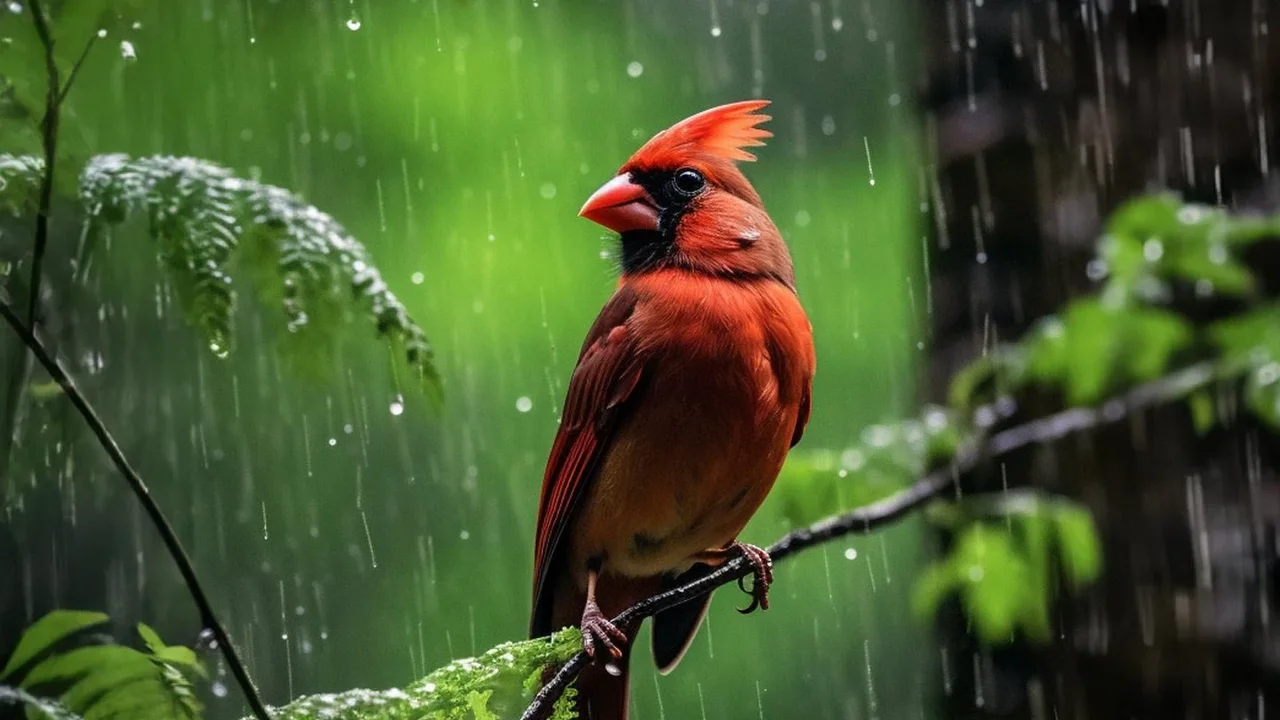
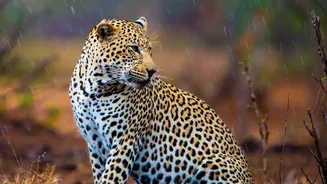
is fresh and cool. For photographers, the diffused light and dramatic skies create unparalleled opportunities. It’s also a fantastic time for birdwatching, with many resident and migratory species active. Animal behaviour changes, too. Tigers, for instance, may roam more actively as rain washes away their scent markings, forcing them to patrol their territories. The lower tourist footfall means a quieter, more intimate encounter with nature.
Which Parks and Gates Stay Open?
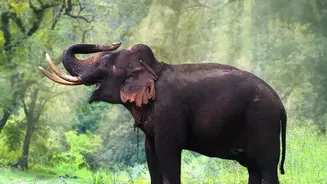
The key to monsoon travel is knowing that while most core areas of tiger reserves close from July 1st to September 30th, their buffer zones often remain accessible. Additionally, some parks in Southern India operate year-round. In Rajasthan, Ranthambore National Park keeps its buffer zones (Zones 6 to 10) open for safaris. In Uttarakhand, Jim Corbett National Park allows day safaris in its Jhirna and Dhela zones throughout the year, weather permitting. In Central India, the buffer zones of major reserves like Tadoba, Pench, and Bandhavgarh are popular choices. Parks in Karnataka, such as Nagarhole and Bandipur, also continue to offer safaris, providing excellent chances to see elephants and other wildlife against a verdant backdrop.
Navigating Critical Dates and Timings
The monsoon safari season generally runs from July through September. However, opening and closing dates are not uniform. Most core zones of tiger reserves close by July 1st and reopen around October 1st, though some, like Dhikala in Corbett, may close as early as mid-June. It is crucial to check the specific schedules for the park you intend to visit. For instance, Ranthambore's core zones (1-5) reopen on October 1, 2026. Safari timings also change with the season. Morning safaris typically start early, around 6:00 AM or 7:00 AM, while afternoon safaris begin around 2:30 PM or 3:00 PM, each lasting about three to four hours. Always confirm the exact timings when you book, as they are adjusted based on sunrise and sunset.
The All-Important Booking and Proof
Spontaneity is not your friend when booking a wildlife safari. Permits, especially for popular parks, are limited and sell out fast. Bookings for most parks open 120 days in advance on official government websites. Be wary of unofficial sites. When booking, you must provide the full name, age, and gender of each visitor, along with details from a valid photo ID. For Indian nationals, this can be an Aadhaar card, PAN card, driver's license, or passport. Foreign nationals must use their passport details. Crucially, you must carry the original ID proof that you used for the booking with you on the safari. Forest officials will verify it at the gate, and any mismatch can result in being denied entry without a refund. This strict system is in place to prevent the black-marketing of tickets and ensure genuine tourists get a chance.
Packing for the Rain-Soaked Wild
Packing for a monsoon safari requires some specific considerations. Lightweight, quick-drying clothes in earthy colours (khaki, olive green, brown) are ideal. A reliable waterproof jacket or poncho is non-negotiable. Protect your gear with waterproof bags for cameras, lenses, and binoculars. The humidity brings insects, so a good repellent is essential. Sturdy, waterproof footwear with good grip is a must for navigating potentially muddy terrain. Since morning safaris can be cool, especially in a moving jeep, carrying a light fleece or windbreaker is a good idea. Finally, don't forget your personal medications, as medical facilities near remote parks can be basic and distant.