



Why Ragi is a Breakfast Champion
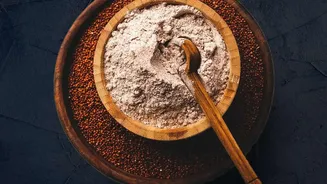
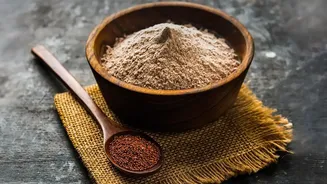
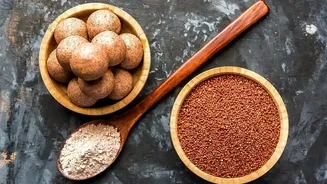
Ragi, also known as finger millet, is a traditional Indian superfood that has been a dietary staple for thousands of years. Its resurgence in modern kitchens is no surprise, given its impressive nutritional profile. Ragi is naturally gluten-free, making
it an excellent choice for those with gluten sensitivities or celiac disease. It is one of the best non-dairy sources of calcium, crucial for maintaining strong bones and teeth. Furthermore, its high dietary fibre content aids in digestion and promotes a feeling of fullness, which can help with weight management by preventing overeating. For individuals managing blood sugar levels, ragi's low glycaemic index is a significant benefit, as it leads to a slower release of glucose into the bloodstream. It is also rich in iron, which helps combat anaemia and boost energy levels.
The Ultimate Savoury Ragi Crepe Recipe
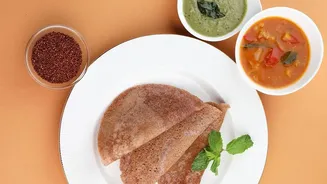
This recipe is for an 'instant' version of the classic dosa or crepe, meaning there is no long fermentation time required. You can have a delicious, healthy batter ready in under 20 minutes. It's designed to be simple, customisable, and result in wonderfully crisp and flavourful crepes.
Ingredients You Will Need
For the crepe batter: - 1 cup ragi flour (finger millet flour) - 1/4 cup rice flour (for crispiness) - 2 tablespoons fine semolina (rava/sooji), optional, omit for fully gluten-free - 1/2 cup plain yogurt (curd), whisked - 2 to 2.5 cups of water, or as needed - 1 finely chopped green chilli - 1 teaspoon grated ginger - 1/2 teaspoon cumin seeds - A handful of finely chopped coriander leaves and curry leaves - Salt to taste - Oil or ghee for cooking
Step-by-Step Instructions
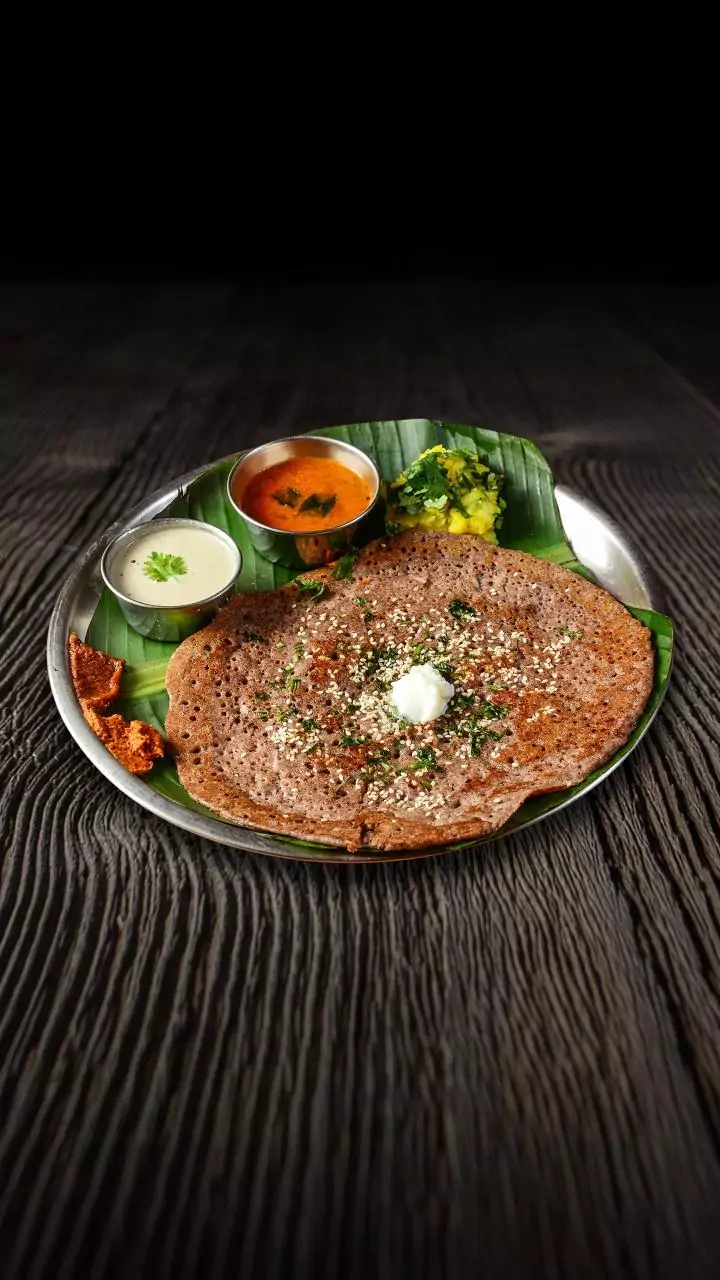
1. In a large mixing bowl, combine the ragi flour, rice flour, and semolina (if using). Add the salt, cumin seeds, green chilli, ginger, and chopped leaves. Give it a good mix. 2. Pour in the yogurt and about half of the water. Whisk well to create a smooth paste without any lumps. 3. Gradually add the remaining water while whisking continuously. The final batter should be thin and runny, similar to the consistency of buttermilk or milk. 4. Let the batter rest for 15-30 minutes. This allows the flours and semolina to absorb the moisture. 5. Heat a non-stick or well-seasoned cast iron dosa tawa over medium-high heat. The pan must be hot. 6. Stir the batter well before making each crepe, as the flour tends to settle at the bottom. 7. Pour a ladleful of the batter from the outer edge of the pan, moving towards the centre in a circular motion. Do not try to spread it with the ladle like a traditional dosa. The lacy holes that form are key to a crispy texture. 8. Drizzle a teaspoon of oil or ghee around the edges and over the top. Cook on medium heat for 3-4 minutes, or until the edges start to lift and the bottom is golden brown and crisp. 9. Flip and cook for another minute on the other side. Serve immediately.
Tips for Perfect, Crispy Crepes
For the crispiest crepes, a very hot pan and a thin, runny batter are essential. Always stir the batter right before pouring it onto the tawa to ensure an even consistency. Cooking on a steady medium flame, rather than high heat, allows the crepe to cook through and become crisp without burning. You can also add finely chopped onions, grated carrots, or cabbage to the batter for extra nutrition and texture.
Serving Suggestions
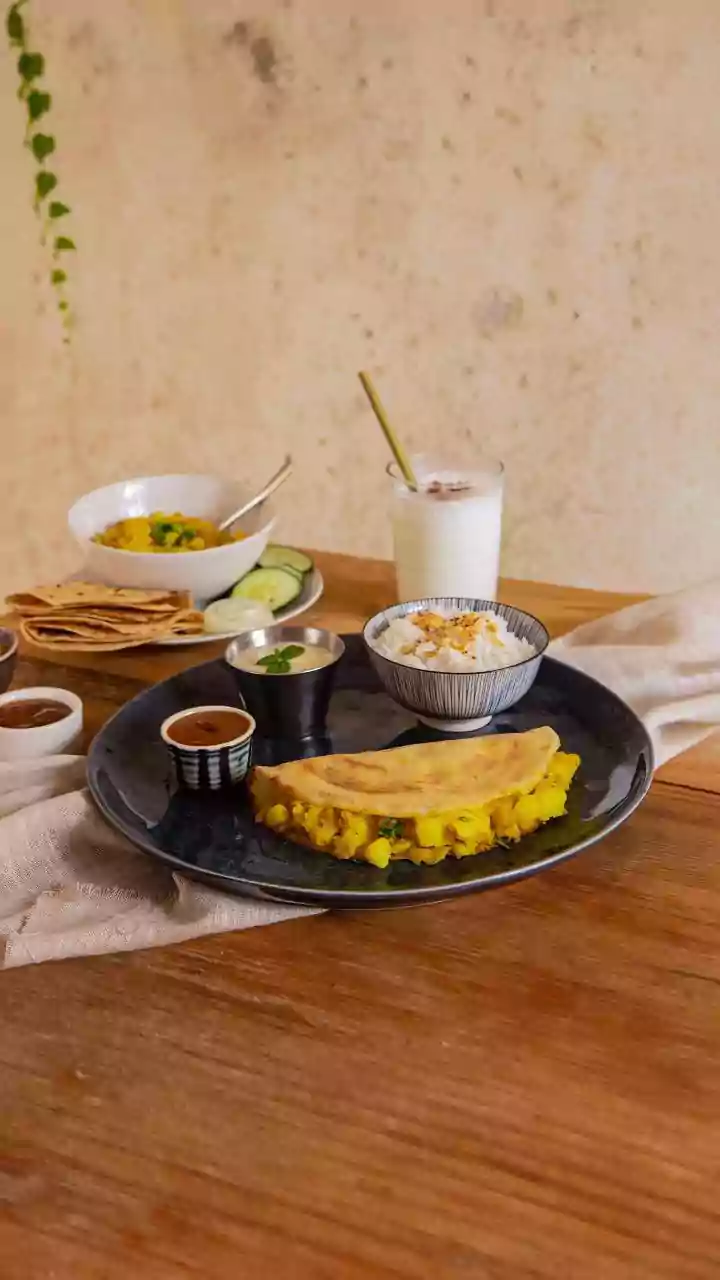
These savoury ragi crepes are incredibly versatile. They pair wonderfully with classic South Indian accompaniments like coconut chutney, tomato chutney, or sambar. For a simple and satisfying meal, you can also serve them alongside a bowl of plain yogurt. If you want to make it a more substantial breakfast, a side of scrambled eggs or sautéed mushrooms makes a great protein-rich addition.