





Understanding the Temperature 'Danger Zone'
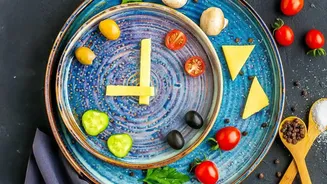
The most important concept in food safety is the 'danger zone'. According to food safety authorities, this is the temperature range between 5°C and 60°C where bacteria can multiply rapidly, sometimes doubling in as little as 20 minutes. When transporting
food, especially in India’s often warm climate, your goal is to keep perishable items either colder than 5°C or hotter than 60°C. Leaving food in the danger zone for more than two hours significantly increases the risk of foodborne illness. This window shrinks to just one hour if the ambient temperature is above 32°C, a common scenario during car travel.
Packing Perishable Sweets and Dairy
Many beloved Indian sweets like rasgulla, kalakand, and other khoya- or chhena-based mithai are highly perishable. These must be kept refrigerated. When gifting them, transport is a critical phase. Pack them straight from the refrigerator into an insulated cooler bag with frozen gel packs. A full cooler stays cold longer, so if there's empty space, fill it with extra ice packs or even bottles of frozen water. Advise the recipient to expect a perishable delivery so they can refrigerate it immediately upon arrival. Sweets made with milk, paneer, or cream should ideally be consumed within a few days, even with proper storage.
The Right Way to Transport Hot Foods
If you’re gifting hot snacks like samosas, kachoris, or a home-cooked meal, the principle is reversed: you must keep them hot. The target temperature is above 60°C. To achieve this, wrap the food container securely in aluminium foil and then in thick towels or blankets to insulate it. Specialised insulated thermal bags are an excellent investment for this purpose. Just like with cold items, it's best to pack hot food last, right before you leave, to minimise heat loss. The food should be piping hot when it goes into the container. Alert your recipient that the food is hot and should be eaten soon or reheated properly.
Handling Hardier, Non-Perishable Treats
Fortunately, many festive staples are much more resilient. Dry sweets like besan laddoos, Shankarpara, chikki, and nankhatai, as well as savoury snacks like chivda and chakli, travel well. The main challenge here isn't spoilage from temperature but from moisture and physical damage. Always allow these items to cool completely to room temperature before packing; packing them warm will create condensation, leading to sogginess and mould. Use sturdy, airtight containers to protect them from humidity and prevent them from being crushed. For items like barfi, placing parchment paper between layers can prevent them from sticking together.
Your Pre-Travel Food Gift Checklist
Before you head out the door, run through this quick mental checklist. First, what type of food is it? Perishable items need cold or hot packing, while dry goods need protection from moisture and impact. Second, how long is the journey? If it's over two hours, temperature control for perishables becomes non-negotiable. Third, what container are you using? Ensure it’s airtight and, for liquids or gravies, leak-proof. Fourth, have you alerted the recipient? A surprise is nice, but a spoiled gift is not. Letting them know a perishable package is coming ensures it's stored correctly on arrival. Finally, pack food securely in your vehicle, ideally in the boot or on the floor, to prevent spills and keep it out of direct sunlight, which can rapidly heat the contents.