







The Allure of the Number
There’s a certain comfort in the maths of calorie counting. The concept of 'calories in, calories out' provides a clear, seemingly straightforward path to weight management. It transforms the messy, complex act of eating into a simple budget. If you stay
under your daily limit, you succeed. This approach can be a useful tool, especially for understanding portion sizes and the energy density of different foods. However, this laser focus on a single number can be misleading. Human metabolism is a dynamic and highly individual system, not a perfect calculator. When we reduce food to just a unit of energy, we ignore the vast majority of what it actually does for our body.
What a Calorie Can't Tell You
Not all calories are created equal. This isn't just a catchy phrase; it's a physiological reality. A 200-calorie snack of almonds and a 200-calorie sugary drink have vastly different impacts on your body. The almonds provide fibre, protein, and healthy fats, which promote satiety, support stable blood sugar, and offer essential nutrients. The sugary drink, on the other hand, delivers 'empty calories' with little to no nutritional value, leading to a rapid spike and subsequent crash in blood sugar that can trigger more cravings. The almonds are nutrient-dense, meaning they pack a high amount of vitamins and minerals relative to their calorie count. The soda is calorie-dense but nutrient-poor. A calorie count tells you nothing about a food's ability to keep you full, build muscle, or fight disease.
Defining the Uncountable: Meal Quality
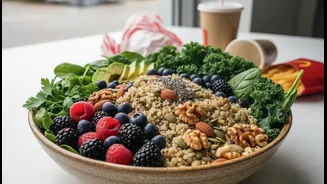
If calories are the quantity, meal quality is the story behind the food. It’s a broader, more holistic concept. High-quality foods are typically whole or minimally processed, like fruits, vegetables, lean proteins, and whole grains. Defining meal quality involves looking at several factors. First is nutrient density—getting the most vitamins, minerals, and fibre for your caloric buck. Second is the macronutrient balance of protein, fats, and carbohydrates, which influences energy levels and fullness. A meal with adequate protein and fibre, for instance, slows digestion and keeps you feeling satisfied for longer. Finally, quality considers the level of processing. Ultra-processed foods often contain added sugars, unhealthy fats, and artificial ingredients that can disrupt hunger signals and contribute to poor health outcomes, even if their calorie counts seem manageable.
From Counting to Awareness
Shifting the focus from calorie quantity to food quality doesn't mean abandoning discipline. Instead, it means cultivating a different kind of awareness. Rather than obsessing over numbers, which can lead to anxiety and a poor relationship with food, the goal is to listen to your body's own signals. Paying attention to how different meals affect your energy levels, mood, and hunger can be a more powerful guide than any app. Research suggests that when people focus on eating high-quality, whole foods, they often naturally consume fewer calories without intentional restriction, simply because those foods are more satiating. Building meals around protein and fibre-rich vegetables can help you feel fuller on less, making calorie control a side effect of good nutrition rather than the primary goal.
Practical Steps to Improve Meal Quality
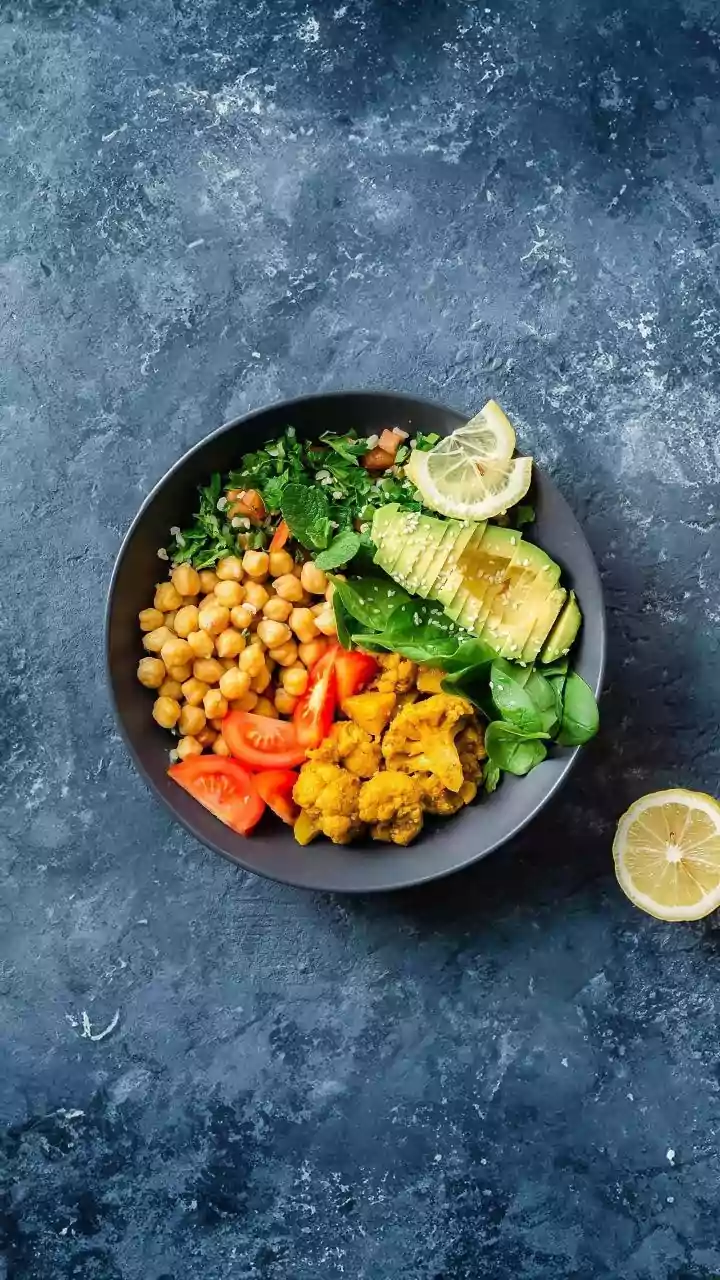
Improving meal quality doesn't require a complete dietary overhaul overnight. Small, consistent changes can make a huge difference. Start by aiming to have half of your plate filled with vegetables at lunch and dinner. This adds volume, fibre, and nutrients without a huge number of calories. Another simple step is to prioritize protein in each meal to help with satiety. When shopping, make it a habit to read ingredient lists, not just the calorie count. Choose products with short, recognizable ingredient lists. Swapping one ultra-processed snack for a piece of fruit or a handful of nuts is an easy win. The idea is to focus on adding nourishing foods to your diet rather than just restricting 'bad' ones. This creates a more positive and sustainable approach to healthy eating.