






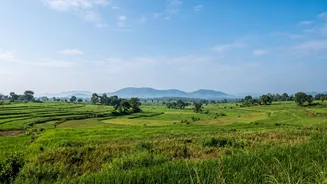
The Monsoon's Gradual Goodbye
The end of the southwest monsoon is not like flipping a switch. The withdrawal, which typically begins over northwest India around the start of September, is a slow and staggered process. For weeks, the large-scale weather systems that define the monsoon—a
low-pressure trough over the plains and moisture-laden southwesterly winds—begin to break down and retreat. This transitional phase is when the atmosphere shifts its character, moving from a wet, cloudy regime to a dry, clear one. But this change isn't smooth, and the period is marked by its own unique and often uncomfortable weather patterns before cooler, drier air fully establishes itself.
Clear Skies and Unfiltered Sunshine
The most significant driver of September heat is the return of clear skies. During the peak monsoon months of July and August, persistent cloud cover acts like a natural sunshade, blocking a significant amount of direct solar radiation from reaching the ground and keeping daytime temperatures in check. As the monsoon trough weakens and retreats south and east, this cloud cover dissipates. This allows for intense and unfiltered sunshine to heat the land surface rapidly. The ground, often still saturated with moisture from the preceding rains, absorbs this energy, causing air temperatures to spike to levels that can feel more like peak summer.
The Switch to High Pressure
Meteorologically, the monsoon is a vast low-pressure system. As it withdraws, it is gradually replaced by a high-pressure system, often known as an anticyclonic circulation. Unlike a low-pressure system where air rises and cools to form clouds, a high-pressure system involves sinking air. This descending air compresses and warms up as it gets closer to the surface, further increasing temperatures. This process also inhibits the formation of new clouds, reinforcing the clear-sky conditions and allowing even more solar heating. This atmospheric shift from a rising, rain-making system to a sinking, heat-building one is fundamental to the post-monsoon heat.
The Humidity Hangover
What makes September heat feel particularly oppressive is the combination of high temperatures and lingering humidity. While the rains have eased, the soil and the lower atmosphere are still loaded with residual moisture from the monsoon season. This high humidity is critical because it hampers the body's natural cooling mechanism: sweating. Sweat cools the body when it evaporates from the skin, but when the air is already saturated with moisture, this evaporation process slows down dramatically. As a result, the heat feels more suffocating, and the 'feels like' temperature can be significantly higher than what a thermometer reads, leading to greater discomfort and health risks like heat exhaustion.
A 'Second Summer' Before Winter
This phenomenon, often famously called 'October Heat' but starting in September, is essentially a short, secondary summer that occurs between the monsoon and winter seasons. It is a hallmark of the retreating monsoon period, especially across northern and central India. The combination of intense solar radiation on moist ground under clear skies creates a uniquely uncomfortable climate. This phase can be further intensified in cities due to the Urban Heat Island effect, where concrete and asphalt absorb and retain more heat than natural landscapes. While unsettling, this period of heat is a normal part of India's complex annual weather cycle, a final burst of warmth before the cooler, pleasant days of late autumn and winter finally arrive.