




Choose Plants That Love the Rain
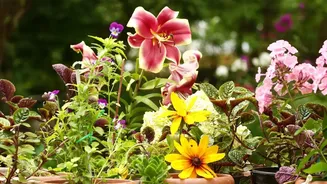
The secret to a thriving monsoon garden is selecting plants that flourish in high humidity and wet conditions. Many stunning flowering plants hit their peak during the rainy season. Consider varieties like balsam, which offers a riot of pink, purple,
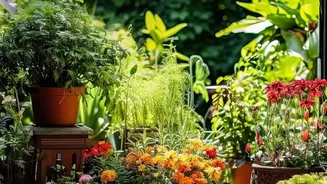
and white blooms and is incredibly easy to grow from seed. Hibiscus is another fantastic choice; while it blooms year-round, the monsoon encourages more vigorous flowering. Fragrant options like jasmine (mogra) and colourful choices like periwinkle (sadabahar) and marigolds are also hardy and perform beautifully in pots. For a touch of drama, the rain lily lives up to its name, often surprising you with delicate flowers overnight after a heavy shower. Don't forget foliage plants like ferns, pothos (money plant), and caladiums, which add texture and varying shades of green.
The Golden Rule: Perfect Drainage
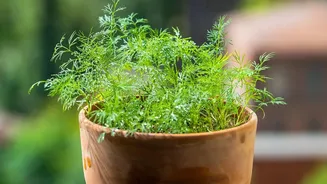
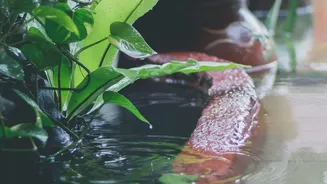
The single most critical factor for monsoon container gardening is preventing waterlogging. While plants love the rain, their roots can't survive sitting in stagnant water, which leads to root rot. Ensure every pot has at least one unobstructed drainage hole. You can place a piece of broken pottery over the hole before adding soil to prevent it from clogging. Using a well-draining potting mix is also key. Avoid using dense garden soil alone; instead, opt for a lighter mixture of soil, cocopeat, and compost. Adding a handful of sand can further improve drainage. A simple but highly effective trick is to elevate your pots using bricks or dedicated plant stands. This allows excess water to escape freely and promotes better air circulation around the base of the pot.
Watering: A Surprising Challenge
It might seem odd to worry about watering during the monsoon, but it's a crucial balancing act. While the rains provide plenty of moisture, there can be dry spells between showers. At the same time, the high humidity means that soil dries out much slower. The biggest mistake is to water on a fixed schedule. Always check the soil first. Poke your finger about an inch into the soil; if it feels dry, it's time to water. If it's damp, let it be. Overwatering is a leading cause of plant problems during this season. When you do water, aim for the base of the plant in the early morning to reduce evaporation and allow leaves to dry before nightfall, which helps prevent fungal issues.
Guard Against Pests and Fungal Foes
The damp and humid monsoon weather creates a perfect breeding ground for pests and diseases. Common culprits include mealybugs, aphids, and slugs, along with fungal infections like powdery mildew and leaf spot. Regular inspection is your first line of defence. Check the undersides of leaves and stems for any signs of trouble. For prevention, good air circulation is key, so avoid crowding your plants too closely together. A fortnightly spray of neem oil solution is an excellent organic way to deter pests and prevent fungal growth. If you spot any diseased leaves, prune them immediately to stop the problem from spreading to the rest of the plant.
Nourish and Support Your Growing Garden
Heavy rains can wash away essential nutrients from the soil in pots. However, the open pores of plants during humid weather make it an excellent time for them to absorb organic matter. Supplement your plants with a light top dressing of vermicompost or well-rotted manure every few weeks to keep them well-fed. Avoid using heavy chemical fertilizers that can easily be washed out. Taller or top-heavy plants can also be vulnerable to strong monsoon winds and the weight of rainwater on their leaves. Provide support by using stakes to prevent their stems from bending or breaking, ensuring they stand tall and healthy throughout the season.