





Beyond Rain: The Risk of Flash Floods
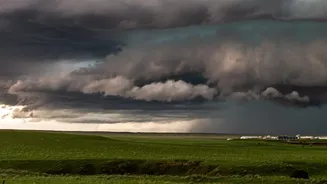
A general forecast might predict 'light showers,' but the monsoon is notorious for short, intense bursts of rain that can overwhelm local drainage in minutes. These are known as cloudbursts or microbursts, and they can trigger flash floods with little
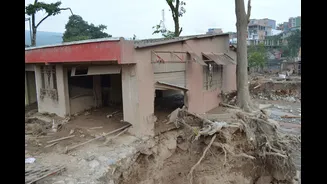
warning. These sudden deluges are particularly dangerous in urban areas, where concrete surfaces prevent water absorption, and in hilly regions where runoff gathers speed and force. Water can rise rapidly, turning streets into raging channels, trapping vehicles, and inundating low-lying homes. In recent years, flash floods have been responsible for numerous fatalities and widespread damage across India, highlighting how quickly a seemingly normal rainy day can turn deadly.
Urban Paralysis: Waterlogging and Gridlock
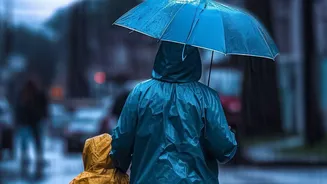
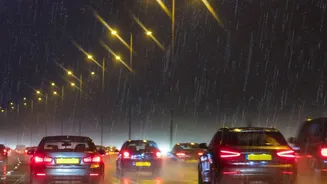
For city dwellers, one of the most immediate consequences of a monsoon downpour is severe waterlogging. Decades of unplanned urbanisation, encroachment on wetlands, and ageing or clogged drainage systems mean that even moderate rainfall can bring a city to a standstill. A journey that normally takes 30 minutes can stretch into hours as key roads and underpasses become impassable. This isn't just an inconvenience; it can have serious consequences. Ambulances and emergency services get stuck, people are stranded far from home, and vehicles are damaged by floodwaters. A local forecast can provide specific warnings about heavy rainfall in your corridor, allowing you to alter your travel plans, work from home, or delay your outing to avoid the inevitable chaos.
Unstable Ground: Landslides and Collapsing Structures
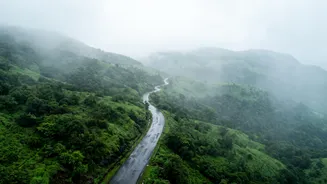
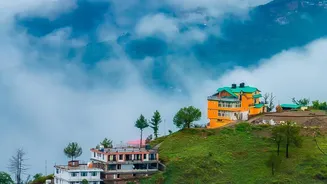
The danger isn't always from rising water. Prolonged or intense rainfall saturates soil, drastically increasing the risk of landslides in hilly and mountainous regions. Roads can be blocked or completely swept away, isolating communities for days. Even in cities, the combination of waterlogged soil and the pressure from incessant rain can weaken the foundations of older buildings, leading to collapses. Weather alerts often include specific warnings for landslide-prone areas. Checking these advisories before a trip to a hill station or even a drive through a vulnerable area is a non-negotiable safety step during the monsoon.
A Hidden Threat: Waterborne and Vector-Borne Diseases
Wading through stagnant, flooded streets is often unavoidable, but it exposes you to a cocktail of invisible health hazards. Floodwater is frequently contaminated with sewage and waste, creating a breeding ground for bacteria and viruses that cause diseases like leptospirosis, typhoid, cholera, and gastroenteritis. Furthermore, the monsoon is peak breeding season for mosquitoes. Stagnant water, from large puddles to small collections in discarded containers, allows populations of mosquitoes carrying dengue and malaria to explode. While checking the weather won't prevent a mosquito bite, being aware of heavy rain predictions can remind you to take extra precautions, such as avoiding waterlogged areas, using repellent, and ensuring there's no stagnant water near your home.
The Power of the Hyper-Local Forecast
It's no longer enough to know the weather for your entire city. Thanks to advancements in meteorological technology, it is possible to get hyper-local forecasts that predict weather patterns for your specific neighbourhood or district. A 'yellow' alert for the city might be a 'red' alert for your specific area due to localised weather phenomena. Many weather apps and websites provide real-time radar maps showing the movement and intensity of rain clouds. Using these tools allows you to see if a severe downpour is heading your way in the next hour, giving you a crucial window to make informed decisions—whether that means leaving work early, picking a different route, or staying put until the worst has passed.