






Get the Timing Right
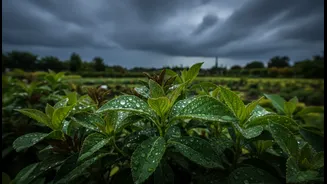
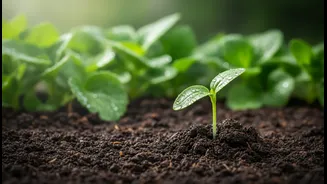
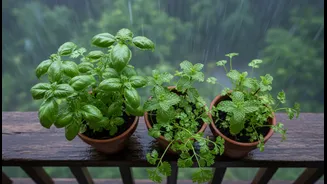
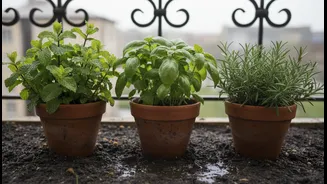
The monsoon season in Bengaluru, typically from June to September, offers ideal conditions for gardening. The cooler temperatures, high humidity, and natural watering create a perfect environment for seeds to germinate and saplings to establish strong
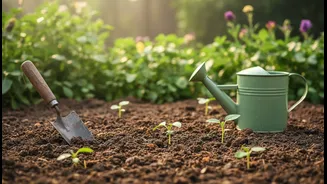
roots. Experts suggest that planting two to four weeks before the heavy rains begin allows plants to develop a robust root system, increasing their chances of survival. This period is also excellent for repotting, as plants recover from transplant shock more quickly in the moist, cool air. The survivability of plants is significantly higher during these months compared to the hot, dry summer.
Choose Your Monsoon Champions
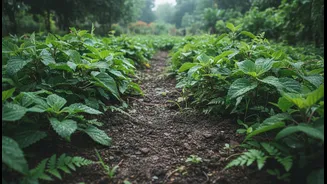
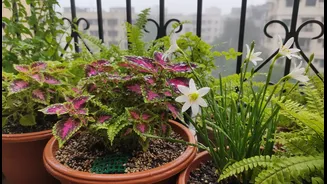
Not all plants are created equal when it comes to handling heavy rainfall. For a successful monsoon garden, select species that thrive in humid and wet conditions. Vegetables like okra (bhindi), cucumbers, beans, and various gourds (bottle, bitter, and ridge) are excellent choices. Leafy greens such as spinach (palak), amaranth, and fenugreek (methi) also flourish and can be harvested multiple times. For flowering plants, consider monsoon favourites like the Rain Lily, which blooms spectacularly after a downpour, as well as marigolds, hibiscus, and jasmine. It's generally advised to avoid planting tomatoes during the peak monsoon as they are highly susceptible to fungal diseases in the high humidity.
Master Your Soil and Drainage
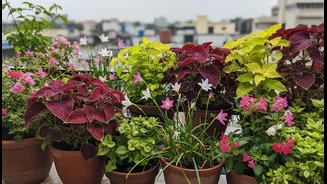
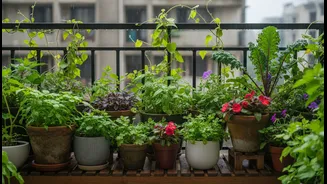
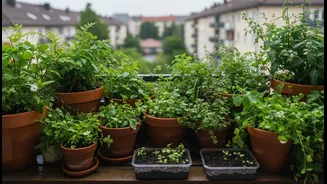
Proper drainage is the single most important factor for monsoon gardening success. Waterlogged soil suffocates roots and leads to rot, a common problem during heavy rains. Before planting, prepare your soil by loosening it and mixing in organic matter like compost or cocopeat. This improves aeration and drainage. For container gardening, which is common in Bengaluru's urban spaces, ensure every pot has unobstructed drainage holes. Using a lightweight potting mix of cocopeat, vermicompost, and perlite is better than heavy red soil for terraces. Elevating pots on stands can also prevent them from sitting in stagnant water.
Water Wisely, Even in the Rain
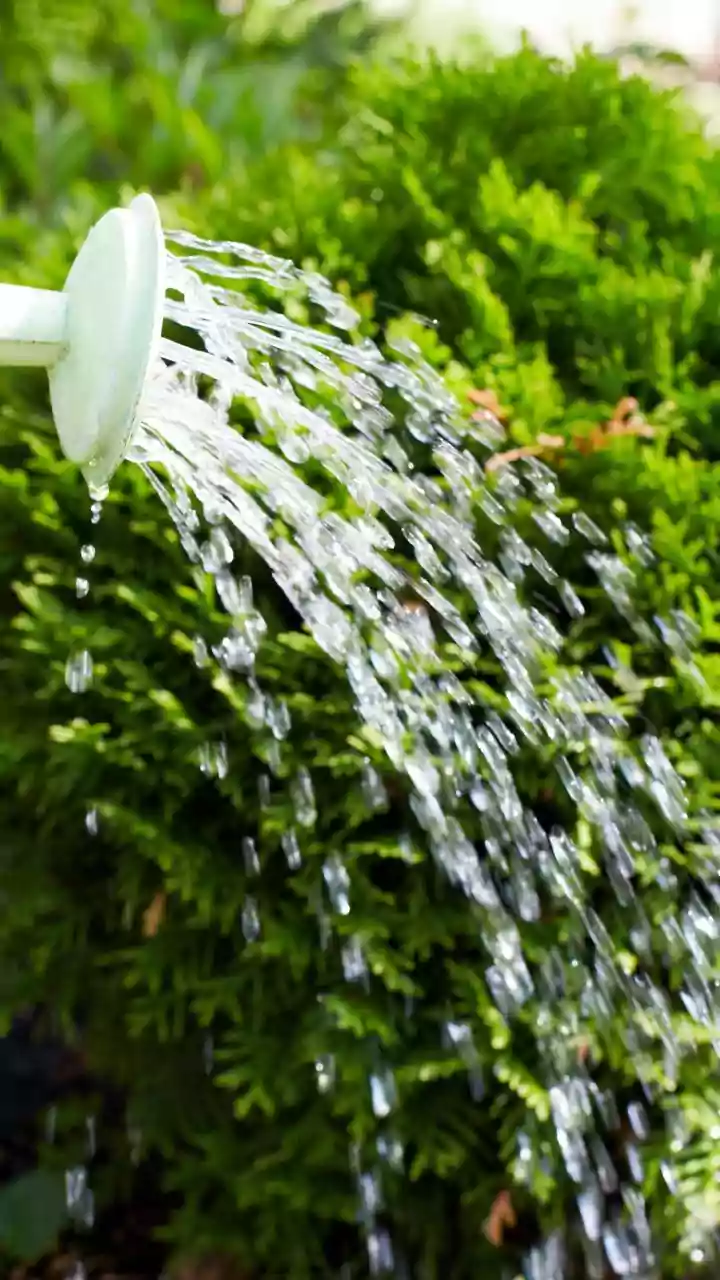
It might seem counterintuitive, but managing water is still crucial during the monsoon. The goal is to avoid overwatering. On days with heavy and consistent rain, you likely won't need to water your plants at all. The most common mistake beginners make is watering daily out of habit, which can lead to yellowing leaves and root rot. Always check the top inch or two of soil; if it feels dry, then it's time to water. Water at the base of the plant to avoid wetting the leaves, which can encourage fungal growth in the humid conditions.
Stay Alert for Pests
The wet and humid weather is a breeding ground not just for plants, but for pests as well. Snails and slugs are particularly active, feeding on tender leaves and seedlings. You may also see an increase in aphids and other fungal diseases like powdery mildew. Regular inspection is key. To manage pests organically, consider spraying a diluted neem oil solution every 10-15 days as a preventive measure. Companion planting with marigolds can also help deter some common pests. For snails, creating a barrier of crushed eggshells around the base of your plants can be an effective deterrent.
Provide Support and Shelter
Vigorous monsoon growth, especially for climbers like gourds and beans, requires physical support. Install trellises, stakes, or nets early to guide the vines upwards, which keeps the fruits off the wet ground and prevents rot. For young or delicate saplings, heavy downpours can be damaging. You can provide temporary shelter by covering them with a perforated plastic sheet, which allows some rain and sunlight through without the damaging force of heavy drops. Taller plants might also need to be staked to protect them from being snapped by strong monsoon winds.