

Loktak Lake, Manipur: The Floating Wonder
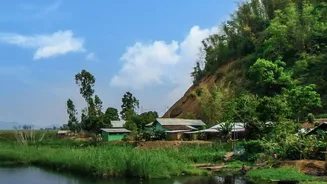
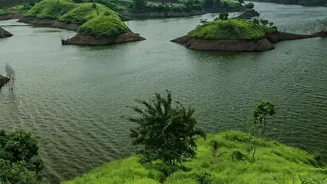
Loktak Lake is the largest freshwater lake in Northeast India, but its size is not its most fascinating feature. The lake is famous for its 'phumdis', which are floating islands of vegetation, soil, and organic matter. Some of these phumdis are large enough
for locals to build their homes on, creating a unique ecosystem. The world’s only floating national park, Keibul Lamjao National Park, is situated on one of these islands. This park is the last natural refuge for the endangered Sangai deer, also known as the dancing deer. A boat ride at sunrise or sunset offers a mesmerising view of the lake, with fishermen gliding between the floating islands. The best time to visit is from October to April when the weather is pleasant and ideal for sightseeing.
Dawki River, Meghalaya: The Crystal-Clear Stream
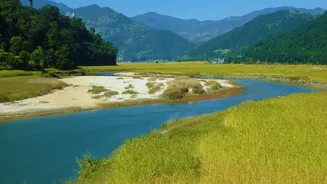
The Umngot River, popularly known as the Dawki River, is celebrated for its stunningly clear water. Located near the India-Bangladesh border, the river is so transparent that boats appear to float in mid-air, and you can see the riverbed's colourful pebbles and stones. This surreal experience makes it one of the most photographed spots in Meghalaya. A boat ride on its emerald-green waters is the main attraction, offering a sense of peace and wonder. The river naturally separates the Jaintia and Khasi hills before flowing into Bangladesh. A suspension bridge built in 1932 provides a great vantage point. The ideal time to experience this clarity is between October and April, outside of the monsoon season.
Tsomgo Lake, Sikkim: The Glacial Jewel
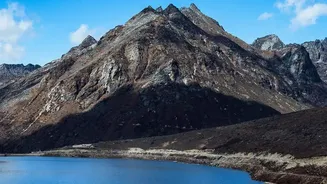
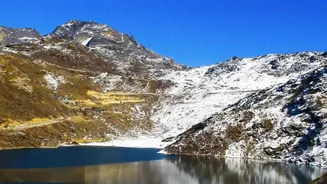
Situated at an altitude of over 12,000 feet, Tsomgo Lake, also called Changu Lake, is a breathtaking glacial lake surrounded by steep, snow-covered mountains. Located about 40 km from Gangtok on the way to Nathu La pass, its waters reflect the changing colours of the sky and the surrounding peaks. During winter, the lake often freezes over, creating a stunning icy landscape. In the spring and summer, the area comes alive with wildflowers. The lake is considered sacred by the local Sikkimese people. Visitors can enjoy yak rides along the shore, a popular activity that offers incredible views of the Himalayan scenery. A permit is required for all visitors, which can be arranged through registered travel agents in Gangtok.
Nuranang Falls, Arunachal Pradesh: The Hidden Cascade
Also known as Jang Falls or Bong Bong Falls, Nuranang Falls is a spectacular 100-metre high waterfall in the Tawang district. Tucked away between Tawang and Bomdila, it remains one of the lesser-known gems of the region. The waterfall originates from the Sela Pass and plunges into the Tawang River. The name 'Nuranang' comes from a local legend about a Monpa girl who assisted an Indian soldier during the 1962 Sino-Indian War. The falls are not just a natural marvel but are also used to generate electricity for the local area via a small hydel plant. The lush greenery and the refreshing mist created by the multi-tiered cascade make it a photographer's delight.
Brahmaputra River, Assam: The Majestic Waterway
The mighty Brahmaputra is more than just a river; it's the lifeline of Assam. A river cruise is one of the best ways to experience its serene and expansive beauty. Cruises can range from a few hours to several days, with popular routes between Guwahati and Kaziranga National Park or even longer journeys starting from Dibrugarh. From the deck, you can watch for river dolphins, see fishermen at work, and take in the stunning landscapes of tea gardens and riverside villages. Sunset cruises in Guwahati are particularly popular, offering spectacular views as the sun sets over the wide river. The best time for a cruise is between October and April when the river is calm.