

Why Overwatering Is the Real Pre-Trip Danger
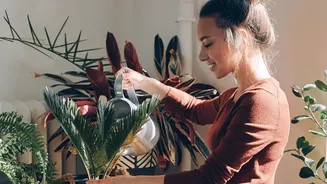
Before a trip, many plant owners provide a 'goodbye soak', assuming more is better. However, overwatering is often more harmful than underwatering. When soil is waterlogged, it fills the air pockets that roots need for oxygen. Without oxygen, roots can't
function properly and may begin to decay, leading to a condition called root rot. Ironically, the symptoms of an overwatered plant—such as wilting and yellowing leaves—can look a lot like a plant that's thirsty, leading people to water even more. A plant sitting in soggy soil for a week while you're away is far more likely to suffer irreversible damage than one that gets a little too dry. It is much easier for an underwatered plant to recover than one with mushy, rotted roots.
The Best Tool for the Job: Your Finger
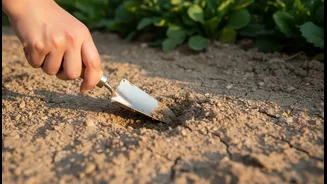
Forget complicated moisture meters or rigid watering schedules; the most reliable tool for checking your plant's needs is free and always with you. The 'finger test' is a simple, tactile method to accurately gauge the moisture level where it matters most: at the root zone. Surface soil dries out quickly and can be misleading, so a deeper check is essential. To perform the test, simply insert your index finger into the soil near the plant's stem, aiming to go about one to two inches deep, or up to your first knuckle. This allows you to feel what's happening beneath the surface.
Reading the Results of Your Soil Check
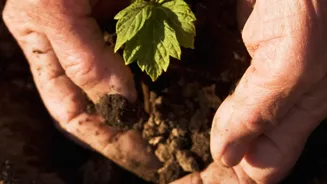
What you feel will tell you exactly what to do next. If the soil feels dry and your finger comes out clean, it's time to water. If the soil feels cool and damp, with some soil sticking to your finger, the plant has enough moisture for now and you should wait. If the soil feels muddy or waterlogged, you have definitely overwatered, and you should let it dry out. The night or morning before you leave is the perfect time to do this check. If the soil is still damp, simply leave it. For most common houseplants, this simple check ensures you only water when necessary, preventing the risk of root rot while you're away.
Adapting for Different Plant Types and Pot Sizes
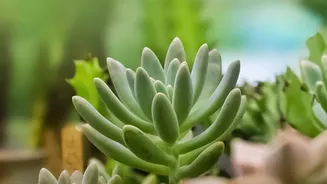
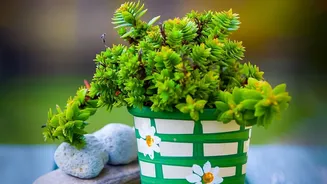
While the finger test is a great universal guide, remember that not all plants have the same needs. Drought-tolerant plants like succulents, cacti, and snake plants prefer their soil to dry out completely and can go weeks without a drink. Tropical plants like ferns and calatheas, on the other hand, prefer consistently moist (but not soggy) soil. For very large pots, your finger might not reach deep enough. In these cases, a simple wooden chopstick or skewer can be used as an extension of your finger. Push it carefully into the soil, leave it for a few moments, and then pull it out. If it comes out clean and dry, the plant needs water. If it comes out dark and damp with soil clinging to it, the moisture level is fine.
Final Steps Before You Leave
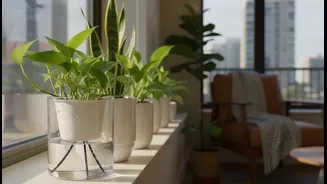
Once you've watered only the plants that need it, a few extra steps can help them thrive in your absence. Move plants away from direct, hot sunlight to reduce evaporation and prevent sunburn. Grouping plants together can also help increase the ambient humidity, creating a more stable microclimate that benefits them all. For particularly thirsty plants or if you'll be gone for more than a week, you might consider self-watering solutions like watering globes or a wicking system, where a piece of string or fabric rope draws water from a reservoir into the soil as it dries. However, for most short trips, a proper deep watering based on a soil check is all that's needed.