

The Freelancer’s Dilemma: The Afternoon Energy Crisis
For the modern freelancer, the workday isn't a neat nine-to-five. It’s a fluid schedule demanding sharp focus, often well into the afternoon and evening. The go-to fuel has long been coffee, a reliable source for a quick jolt of alertness. However, that
second or third cup often comes with a steep price: caffeine-induced anxiety, a racing heart, and the dreaded energy crash that can leave you less productive than before. This cycle of stimulation and depletion has led a growing number of self-employed professionals to seek a more balanced way to power through their deadlines without compromising their well-being.
Enter Matcha: A Smoother, Gentler Buzz
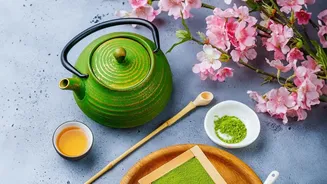
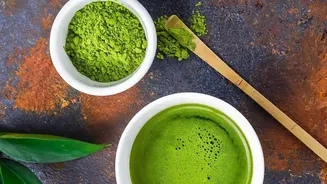
Matcha is a finely ground powder of specially grown and processed green tea leaves, traditionally used in Japanese tea ceremonies. Unlike regular green tea where you steep and discard the leaves, with matcha, you consume the entire leaf. This means you ingest a more concentrated dose of its nutrients and active compounds. While it's been a staple in Japan for centuries, it is now finding a new audience among those looking for productivity without the panic. People who switch often report a feeling of 'calm alertness'—a state of being focused and energized, yet composed and clear-headed.
The Science of a Jitter-Free Boost: L-Theanine
The magic of matcha lies in its unique chemical composition. While it does contain caffeine (typically less than a standard cup of coffee), it is also rich in an amino acid called L-theanine. Research shows that L-theanine promotes relaxation by increasing alpha brain waves, which are associated with a state of relaxed alertness. When combined, caffeine and L-theanine work in synergy. The L-theanine smooths out the sharp edges of the caffeine, mitigating side effects like jitters, a racing heart, and anxiety. Instead of the abrupt spike and subsequent crash from coffee, matcha provides a slower, more sustained release of energy that can last for four to six hours. This combination has been shown to improve cognitive performance, attention, and accuracy on demanding tasks more effectively than caffeine alone.
More Than Just an Energy Drink
The benefits of making the switch aren't just about avoiding a crash. Because you're consuming the whole tea leaf, matcha is a powerhouse of antioxidants, particularly catechins like epigallocatechin gallate (EGCG). Antioxidants are compounds that help protect the body from damage caused by free radicals. While coffee also contains antioxidants, matcha's concentration is significantly higher. Furthermore, coffee is acidic and can sometimes cause digestive discomfort or heartburn, an issue that many matcha drinkers find is less of a concern with the green powder.
The Ritual: A Mindful Moment in a Hectic Day
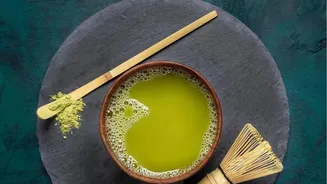
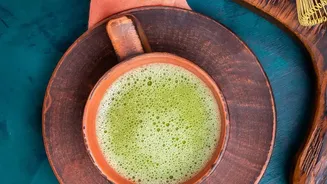
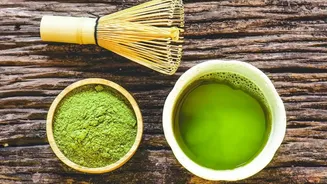
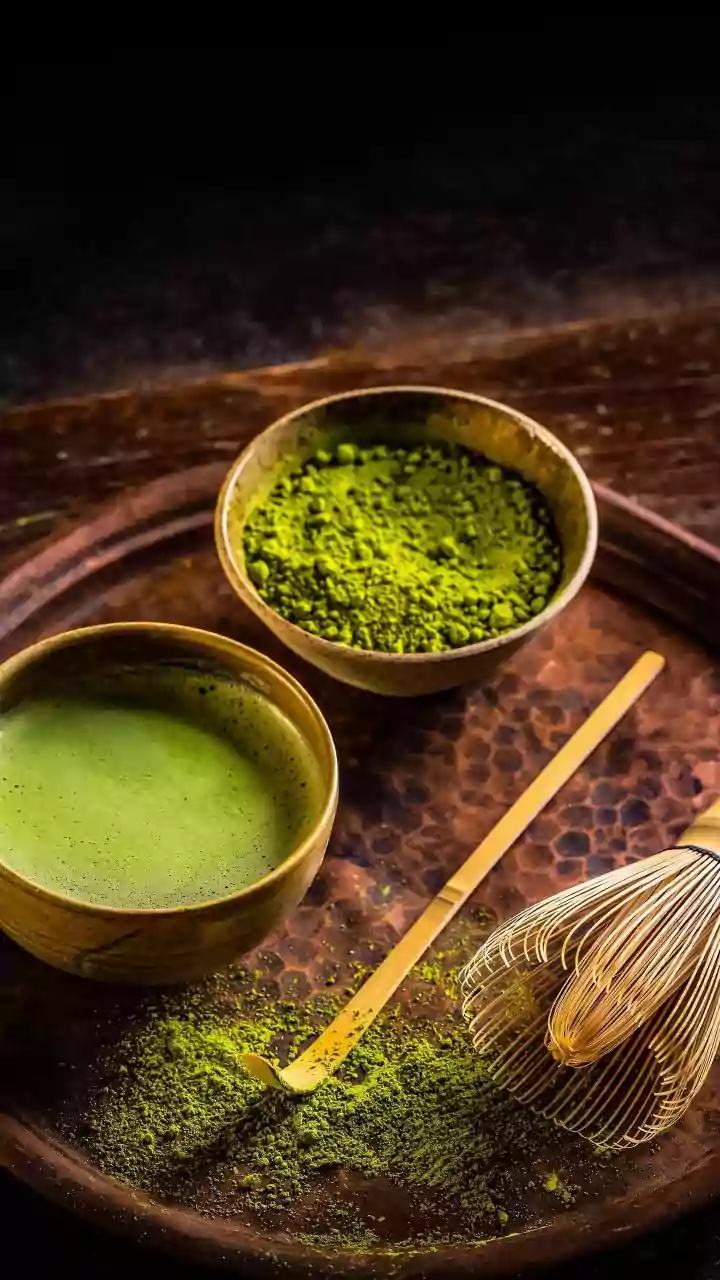
Part of matcha's appeal is the preparation itself, which can serve as a mindful break. The traditional method involves a bamboo whisk (a 'chasen') and a ceramic bowl (a 'chawan'). First, you sift a teaspoon or two of matcha powder into the bowl to remove clumps. Then, you add a small amount of hot (not boiling, around 80°C) water and whisk it into a smooth paste. Finally, you add more hot water and whisk vigorously in a 'W' or 'M' motion until a delicate foam forms on the surface. This simple, focused act provides a moment of calm, signaling to the brain to slow down and centre itself before returning to a demanding task.
Making the Switch: Is Matcha Right For You?
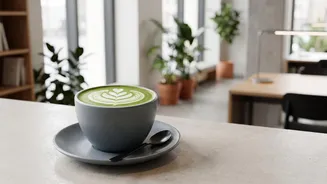
For those accustomed to the bold, roasted flavour of coffee, matcha's taste can be an adjustment. It is often described as vegetal, umami, and slightly sweet. If you're curious, a great way to start is by trying a matcha latte from a local café, which is often sweetened and blended with milk. While ceremonial-grade matcha prepared traditionally offers the purest experience, there are many accessible ways to incorporate it. The key is to see it not necessarily as a replacement for your morning coffee, but as a powerful tool for that crucial afternoon stretch when focus is paramount and jitters are unwelcome.