





Decoding the Registration Boom
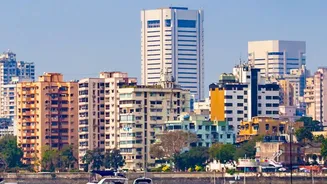
Recent data confirms the headline trend: Mumbai's real estate market is buzzing. In August 2026, the city recorded 12,503 property registrations, an 11% increase compared to the same month last year. This wasn't an isolated event; July 2026 also saw the highest
registrations for that month in 14 years. This sustained activity, driven by end-users rather than speculators, points to a market with deep, resilient demand. For first-time buyers, this means you are entering a market that is active and confident, but also highly competitive. The strong registration numbers show that many others share your aspiration of owning a home in Mumbai, keeping the market heated.
The Key Drivers of a Resilient Market
Several factors are fuelling this demand. A primary driver is the significant upgrade in the city's infrastructure. New metro lines, improved road connectivity like the Goregaon-Mulund Link Road, and better links to Navi Mumbai are changing how people view commute times and livability. This is making suburban areas and previously overlooked pockets of the Mumbai Metropolitan Region (MMR) more attractive to buyers seeking affordability and space. Furthermore, there is a clear preference for ready-to-move-in or near-completion homes, as buyers prioritize security and avoiding construction delays. Stable employment in key sectors like finance and technology also provides the financial confidence needed for such a significant purchase.
The Affordability Question: Prices and Loans
While demand is high, the pace of price hikes has been measured rather than explosive. Experts note steady appreciation, with average residential prices seeing a modest year-on-year increase of around 4-8% in many corridors, not a speculative surge. However, Mumbai remains India's most expensive housing market. For first-time buyers, this means that while prices are climbing, they aren't running away uncontrollably. On the financing front, home loan interest rates in September 2026 are hovering in a range of approximately 8.4% to over 10%, depending on the lender and borrower's credit profile. While not at their lowest, these rates remain manageable for many, supporting the ongoing demand.
Challenges for New Buyers
The biggest challenge for a first-time buyer in this market is competition. With strong end-user demand, especially for well-located and functional homes, you will likely face multiple interested parties for desirable properties. This puts pressure on decision-making and negotiation. Another significant hurdle is the total cost of acquisition. Beyond the property's sticker price, new buyers must budget for an additional 10-15% to cover stamp duty (around 6%), registration fees (1%), GST on under-construction properties, and other costs like interiors and legal fees. For a property worth ₹1.5 crore, this can mean an extra ₹15-22 lakhs, a substantial sum that needs to be planned for.
A Roadmap for Your First Home
Navigating this market requires a clear strategy. First, get your finances in order by securing a home loan pre-approval. This gives you a firm budget, enhances your credibility with sellers, and allows you to act quickly when you find the right property. Second, expand your search beyond traditional hotspots. Improved infrastructure means areas in the central and western suburbs, Thane, and Navi Mumbai offer better value and are becoming increasingly popular. Third, focus on the developer's reputation and the project's legal clarity. Verify the MahaRERA registration and consider hiring a lawyer to conduct due diligence on the property's title and documentation. Finally, think long-term about your life stage and needs. A home that fits you today might not in five years, so consider factors like family growth and work flexibility when choosing your layout and location.