






The Monsoon Dilemma in the Mountains
For countless travellers, the Indian monsoon paints the Himalayas in lush, dramatic colours. But this beauty comes with a significant risk. Heavy rainfall loosens soil, triggering landslides and flash floods that can shut down roads and isolate entire
valleys. By mid-July, popular destinations in Himachal Pradesh and Uttarakhand often face disruptions. Recent reports from July 2026 highlight numerous road blockages in districts like Kullu, Shimla, and Sirmaur due to incessant rains. For tourists, this can mean cancelled plans, long delays, and genuine safety concerns.
Spiti's Geographic Secret: The Rain Shadow
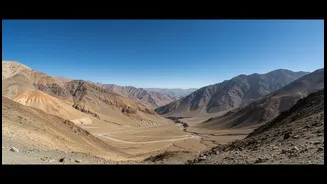
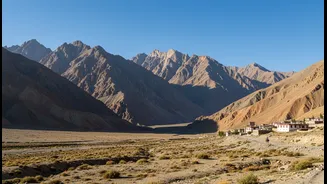
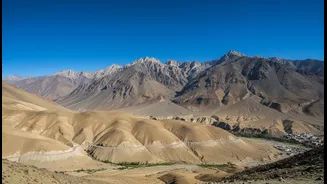
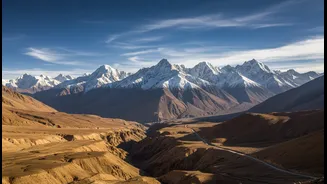
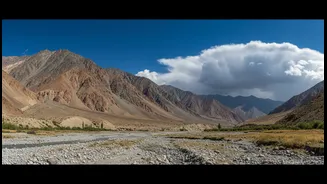
Spiti’s immunity to the monsoon is not magic; it’s geography. The valley is a high-altitude cold desert located in a 'rain shadow' zone. The towering Pir Panjal and Great Himalayan ranges to the south act as a formidable barrier, forcing moisture-laden monsoon clouds to release their rain on the southern slopes. By the time these clouds cross the high passes to reach Spiti, they have little to no moisture left. As a result, Spiti receives minimal rainfall, often less than 170 mm annually, creating a dry, arid landscape even as other parts of the state are drenched.
What a Spiti Holiday in July Looks Like
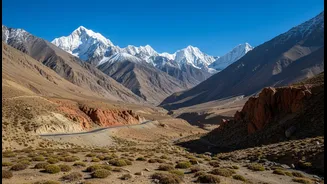
While much of India experiences grey skies and downpours, July in Spiti is typically characterized by bright, sunny days and clear blue skies. Daytime temperatures in Kaza, the main town, are pleasant, often ranging between 15°C and 25°C, making it ideal for sightseeing. Nights, however, remain cold, with temperatures dropping to 5°C or 10°C, a signature of its desert climate. This dry weather means iconic monasteries like Key, Tabo, and Dhankar, along with high-altitude villages such as Komic and Hikkim, are fully accessible and safe to explore.
The Journey Requires Careful Planning
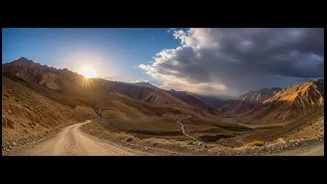
While Spiti Valley itself is largely free of monsoon-induced landslides, getting there is another story. The two primary routes—one via Shimla and Kinnaur, and the other via Manali—both pass through regions that receive heavy rainfall. The Shimla-Kinnaur road is generally considered more reliable during this period, but it is not immune to landslides and blockages, especially in Kinnaur. The Manali-Kaza highway, which crosses the high passes of Rohtang and Kunzum, can be challenging with water crossings from melting glaciers and muddy patches. Travellers must understand that the journey to this safe haven is the most unpredictable part of the trip and requires buffer days and a flexible itinerary.
A Different Kind of Mountain Experience
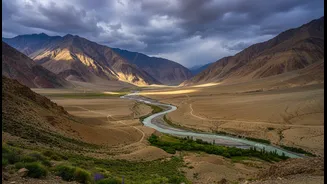
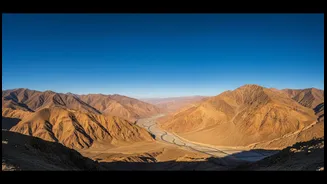
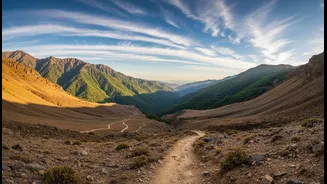
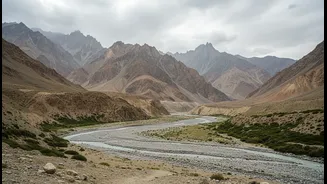
A trip to Spiti in July offers a unique adventure defined by stark contrasts. You leave behind the lush greenery of lower Himachal to enter a world of barren, majestic mountains, deep gorges, and pristine rivers. The landscape, once the floor of the ancient Tethys Sea, is a geologist’s dream, with visible rock strata and marine fossils found in villages like Langza. Beyond the landscape, it’s a journey into a rich Buddhist culture, where life moves at a serene pace. From exploring ancient monasteries to stargazing under some of the clearest skies in the world, Spiti provides a profound sense of peace and remoteness that is hard to find anywhere else, especially during the bustling monsoon season.