


More Than Just Waste
Those peels you typically throw away are packed with potential. The primary “gut-friendly” benefit comes from pectin, a type of soluble fiber concentrated in the peel and pith. Pectin acts as a prebiotic, meaning it feeds the beneficial bacteria in your
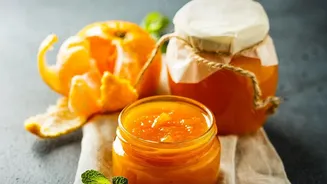
digestive system, like Bifidobacterium and Lactobacillus. When these good bacteria thrive, they help balance your microbiome, support digestion, and can even reduce gut inflammation by producing beneficial compounds called short-chain fatty acids. By fermenting the peels, you take the benefits a step further. Lacto-fermentation introduces live probiotics—the good bacteria themselves—into the final product. This process not only preserves the peels but also enhances the bioavailability of nutrients, making it easier for your body to absorb the vitamins and antioxidants present in the rind. The result is a preserve that is both probiotic and prebiotic.
Choosing and Preparing Your Peels
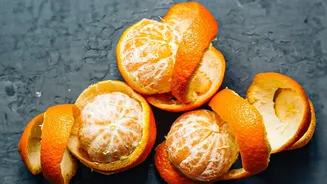
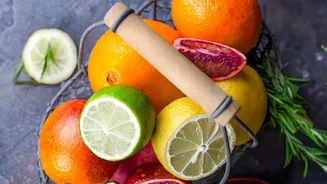
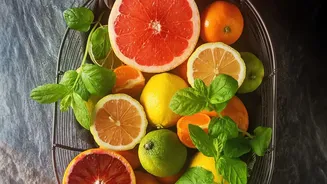
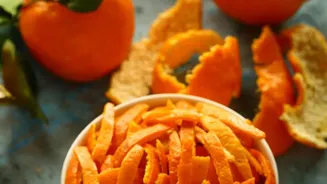
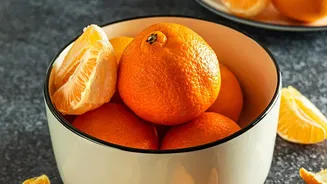
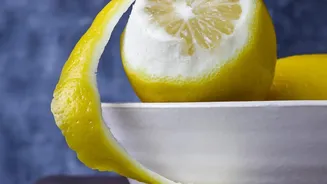
Before you begin, preparation is key to a delicious and safe result. Whenever you plan to consume the peel, it’s best to use organic citrus fruits. This minimizes your exposure to pesticides, which are often concentrated on the skin. If you can’t find organic, give the fruit a thorough scrub under warm, soapy water with a vegetable brush to remove any wax coating or chemical residues. While some pectin resides in the white pith, this part of the peel is also responsible for a significant amount of bitterness. For a more palatable preserve, you can use a spoon or a sharp knife to gently scrape away some of the thick white layer from the inside of the peel, though leaving a little is fine. For fermentation, cutting the peels into smaller strips or shredding them increases the surface area, allowing the salt and beneficial bacteria to work more effectively.
Recipe: Fermented Citrus Peels
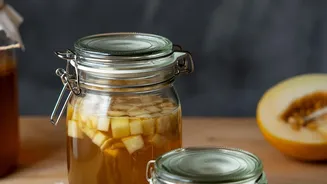
This simple lacto-fermentation process creates a tangy, complex condiment reminiscent of Moroccan preserved lemons. You’ll need a clean glass jar, fresh citrus peels, and non-iodized salt. 1. Prep the Peels: Wash your citrus and remove the peels, cutting them into thin strips or small pieces. Aim for enough to loosely fill your jar about halfway. 2. Salt the Peels: Place the peels in a bowl and sprinkle generously with salt. A good guideline is to use about 1-2% of the peels’ weight in salt. Massage the salt into the peels, pressing down firmly to help release their natural juices. 3. Pack the Jar: Tightly pack the salted peels into your glass jar. As you press them down, the juice you released will begin to form a brine. The goal is to have the peels submerged in their own liquid. If needed, you can top it off with a little extra lemon juice or filtered water to ensure everything stays below the surface. 4. Ferment: Cover the jar with a tight-fitting lid and leave it in a cool, dark place at room temperature for at least five to seven days. You may see bubbles forming, which is a sign of active fermentation. It’s a good idea to “burp” the jar daily by briefly opening the lid to release any built-up pressure. After a week, taste the peels. Once they’ve reached a pleasant tanginess, transfer the jar to the refrigerator, where it will keep for several months.
How to Use Your Preserves
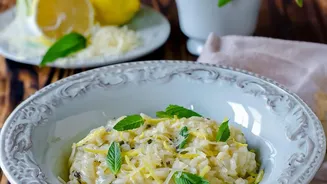
Fermented citrus peels have an intensely savory, salty, and tangy flavor that can elevate many dishes. You can finely chop them and add them to salad dressings, marinades, and dips for a burst of umami. They are a classic ingredient in North African tagines and stews. The salty, zesty bits are also a wonderful complement to roasted vegetables, grilled fish, or chicken. You can even use the flavorful brine in your cooking. Start with a small amount, as the flavor is concentrated, and adjust to your taste.