





From Shoulder Season to Prime Time
For years, India's travel rhythm was predictable: the summer rush, a monsoon lull, and a busy stretch from Diwali through winter. The September-October window was often seen as a 'shoulder season'—a pleasant but quieter time to travel. That is no longer
the case. Travel experts and booking platforms now report a significant surge in demand during these months. Favourable post-monsoon weather, combined with a string of public holidays and long weekends, has created the perfect opportunity for short breaks and experiential holidays. Instead of waiting for the traditional year-end peak, travellers are seizing the chance to pack their bags sooner.
The Cultural Magnets: Durga Puja, Navratri, and Ganesh Chaturthi
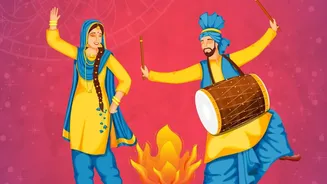
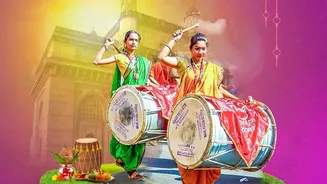
At the heart of this trend are some of India's most visually stunning and immersive festivals. In West Bengal, Durga Puja has become a massive draw, with one survey indicating that 58% of Indian travellers are interested in visiting Kolkata for the celebrations. The festival's inscription on the UNESCO Intangible Cultural Heritage List has further boosted its appeal, attracting both domestic and international tourists who come to witness the artistic pandals and cultural fervour. Similarly, Gujarat transforms into a hub of music and dance during Navratri, with travel companies offering dedicated Garba and Dandiya tour packages in cities like Ahmedabad and Vadodara. In Maharashtra, Ganesh Chaturthi celebrations, especially in Mumbai and Pune, create a significant travel rush, prompting authorities to run hundreds of special trains and buses to manage the influx of devotees and tourists.
A New Generation Seeks Authentic Experiences
This shift is largely being driven by a new generation of travellers: millennials and Gen Z. Reports indicate that over 80% of younger Indian travellers are now planning trips specifically for cultural experiences. For them, travel is less about relaxing at a generic resort and more about engaging with local traditions, tasting regional foods, and creating shareable memories. Festivals provide the perfect backdrop for this kind of immersive journey. They are not just observing; they are participating in the vibrant chaos of a Ganesh Visarjan procession or dancing the night away at a Garba event. Social media plays a significant role, with images and videos of these colourful celebrations inspiring others to experience them firsthand.
The Economic Ripple Effect
The rise of this new travel season has a widespread economic impact. Airlines and hotels, which previously saw a dip in bookings during this period, now enjoy sustained demand. Local economies receive a significant boost as tourists spend on accommodation, food, transportation, and local handicrafts. Tour operators have responded by curating special festival-themed itineraries, further fuelling the trend. This evens out the tourism calendar, moving away from just a few sharp peaks to a more balanced, year-round flow of visitors, which benefits destinations by providing more consistent revenue and employment.
How to Plan Your Festival Trip
Thinking of diving into India's festive travel season? The key is to plan ahead. With growing popularity, flights and hotels in key destinations like Kolkata, Ahmedabad, and Mumbai get booked out weeks, if not months, in advance. Be prepared for crowds, especially at famous pandals or temples like Lalbaugcha Raja in Mumbai. Using public transport is often wiser than navigating road closures and traffic during major processions. While the energy is infectious, it's also intense. Packing comfortable footwear and staying hydrated is crucial. Most importantly, embrace the spirit of the celebration—it's a chance to connect with India's cultural soul in a way no ordinary trip can offer.