






The Dark Store: An Invisible Supermarket
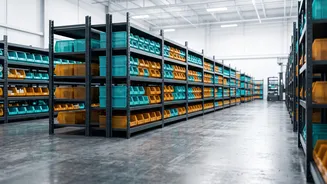
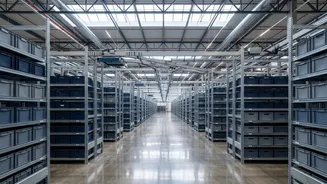
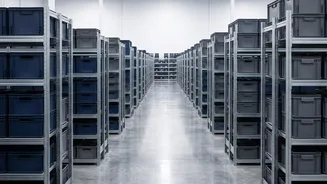
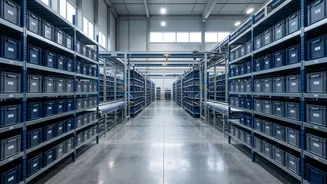
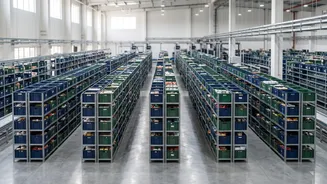
You have likely never set foot in one, but chances are you have used its services. A dark store is a small, hyperlocal warehouse exclusively for online orders. Closed to the public, these micro-fulfilment centres are strategically located in dense residential
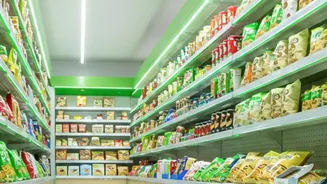
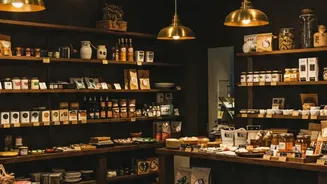
neighbourhoods. Inside, they are organised like a supermarket, but optimised for a single purpose: speed. Every item, from milk and bread to phone chargers and cosmetics, is placed to ensure an order can be picked and packed in under two minutes. This model, which trades the cost of prime retail space for unparalleled last-mile efficiency, is the engine behind the quick-commerce promise. It relies on sophisticated data analytics to predict neighbourhood demand, stocking energy drinks near college campuses during exams or festive items during holidays.
Why Bengaluru is Ground Zero
With over 629 dark stores, Bengaluru has more of these facilities than any other Indian city, accounting for over 11% of the national total. Its dark store density is nearly three times the national average. This concentration is no accident. Several unique factors make the city the perfect laboratory for quick commerce. First, its notorious traffic makes the convenience of 10-minute delivery a practical necessity, not a luxury. Second, the city's high concentration of apartment complexes creates immense delivery density, allowing a single rider to serve dozens of households in one trip. Finally, Bengaluru's population of young, tech-savvy professionals in dual-income households provides a large base of customers who have both the disposable income and a chronic lack of time, making them the ideal adopters of on-demand services.
The Economic Ripple Effect
The rapid expansion of dark stores is reshaping Bengaluru's urban economy in several ways. It has created a new gold rush in commercial real estate, with landlords of small, ground-floor spaces in residential areas now commanding rental premiums of 20-25%. This network has also become a significant employer, creating an estimated 6,300 to 12,600 jobs in the city. The high attrition rate in the gig economy means these companies are constantly hiring, providing a steady stream of entry-level employment. Furthermore, quick commerce has become a critical sales channel for Fast-Moving Consumer Goods (FMCG) brands, with some earning over 70% of their digital revenue from these platforms. However, this boom has also placed immense pressure on traditional Kirana stores, with many struggling to compete against the convenience and deep discounts offered by heavily funded tech platforms.
The Challenging Road to Profitability
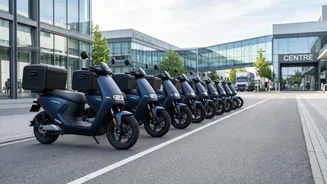
Despite its explosive growth, the quick-commerce industry faces a difficult path to profitability. The model is built on high fixed costs, including prime urban rentals and a vast network of delivery riders. Intense competition between major players like Blinkit, Zepto, and Swiggy Instamart has led to a reliance on heavy discounts to attract and retain customers. The core challenge lies in the low average order values (AOV) typical of impulse grocery purchases. Companies are losing money on many individual orders, as the margin from selling a few items often fails to cover the high costs of picking, packing, and rapid delivery. To counter this, platforms are expanding into higher-margin categories like beauty, fashion, and electronics, and are increasingly relying on advertising revenue from brands to subsidize their operations.