


Amla (Indian Gooseberry): The Immunity Booster
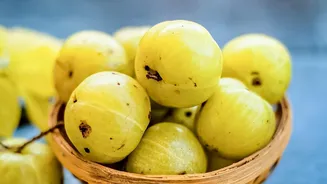
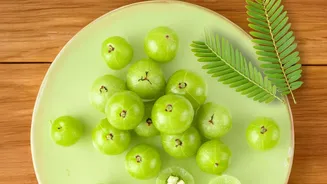
The small, translucent green amla is a winter powerhouse. Its flavour is famously sour and astringent, often followed by a surprising sweet aftertaste. This humble fruit is one of the richest sources of Vitamin C, containing several times more than an orange.
The peak season for fresh amla runs from October to February, with the best quality fruit typically available from November to January. While grown in many states, Uttar Pradesh, particularly the Pratapgarh region, is famous for its amla orchards, which see their main harvest in December and January. In South India, the season can start and end a bit earlier. Amla is rarely eaten raw on its own; it's more popularly consumed as pickles, murabba (sweet preserve), juice, or candy, making its potent health benefits more palatable.
Sitaphal (Custard Apple): The Creamy Delight
With its bumpy green skin and soft, creamy pulp, sitaphal is a beloved seasonal dessert fruit. Its sweet, fragrant flesh is a treat, though separating it from the many black seeds requires some patience. The main harvest season for custard apple stretches from the late monsoon into early winter, generally from August to November, though it can extend into February in some areas. Maharashtra is India's leading producer, especially in the dryland regions of Marathwada like Beed, which boasts a GI-tagged variety. It also thrives in states like Andhra Pradesh, Telangana, Madhya Pradesh, and Gujarat. Due to its delicate nature when ripe, sitaphal is often sold in local markets and is best enjoyed fresh or blended into milkshakes, rabdi, and ice creams.
Amrood (Guava): The Versatile Staple
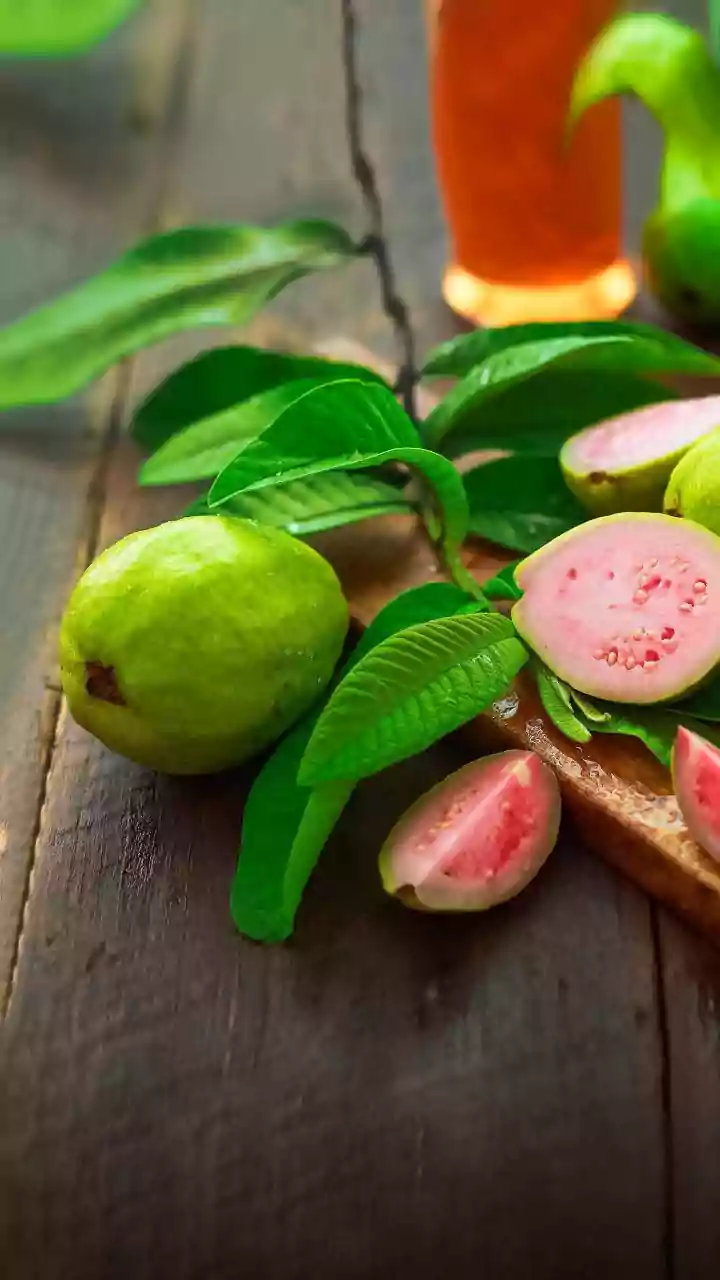
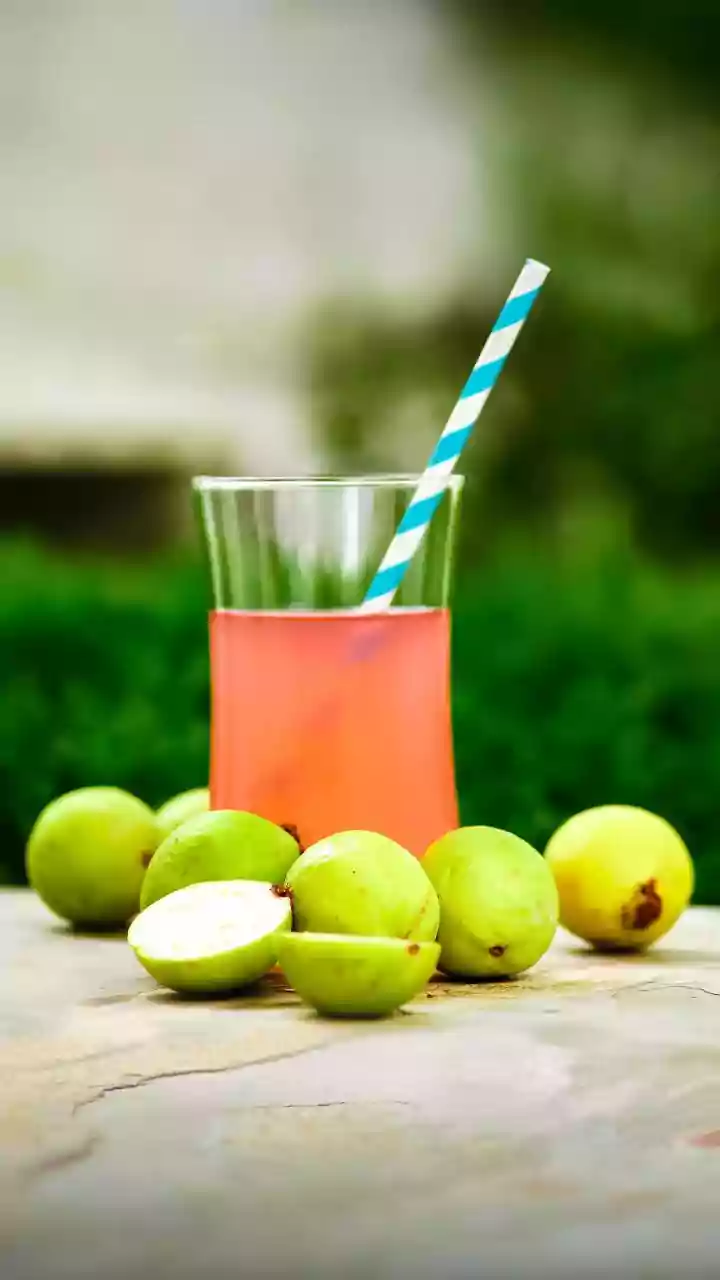
Often called the 'apple of the tropics', guava is a winter staple across India. The country sees multiple flowering seasons, but the winter crop, harvested from November to February, is widely considered the best in quality, being sweeter and more flavourful than the monsoon harvest. Guavas are a fantastic source of Vitamin C and dietary fibre. Major guava-producing states include Uttar Pradesh, Maharashtra, Bihar, and Madhya Pradesh. The Allahabad Safeda from Uttar Pradesh is perhaps the most famous variety, known for its white flesh and wonderful taste. You can also find pink-fleshed varieties, which are rich in lycopene. It's enjoyed fresh, often sprinkled with salt and chilli powder, or used in juices and jellies.
Santra (Orange): The Citrus King
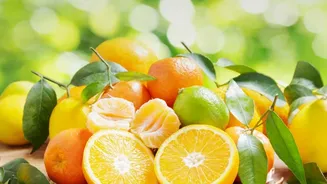
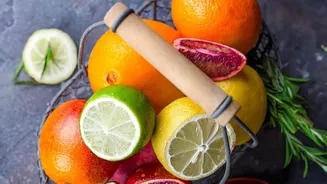
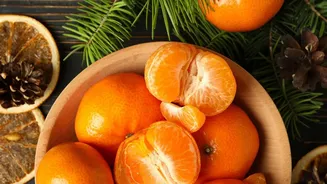
Winter markets in India are incomplete without stacks of bright oranges. The peak season generally runs from December to February, when the fruit is at its juiciest and most affordable. The Nagpur mandarin, which holds a GI tag, is the most famous variety and is primarily grown in Maharashtra's Vidarbha region. This region has two main harvests: the 'ambia bahar' in early winter and the 'mrig bahar' which arrives around February and March. Other significant orange-growing areas include Punjab and Haryana (for the Kinnow variety), the Khasi hills in Meghalaya, and parts of Madhya Pradesh and Rajasthan. Bursting with immune-boosting Vitamin C, oranges are a go-to fruit during the cold and flu season.
Chikoo (Sapodilla): The Sweet Treat
Chikoo, with its grainy texture and malty, caramel-like sweetness, is another fruit that shines in the colder months. While it can be available almost year-round in some tropical areas, it has two peak seasons, with one major crop arriving in the winter and early spring, from around November to March. The fruit's sweetness intensifies during the cooler weather. Chikoo is cultivated on a large scale in coastal states like Gujarat, Maharashtra, Karnataka, and Tamil Nadu. The Gholvad-Dahanu region on the Maharashtra-Gujarat border is particularly famous for its high-quality chikoo. Rich in dietary fibre and natural sugars, it's a great natural energy booster, enjoyed fresh or in popular milkshakes.
Strawberries: The Hills' Red Jewels
Though not a traditional Indian fruit, strawberries have become a celebrated part of winter, especially in specific regions. The primary strawberry season in India runs from November to March, with the absolute best and sweetest berries available from December to February. The hill station of Mahabaleshwar in Maharashtra is the most famous strawberry-growing region, accounting for a huge share of the country's production. Its cool climate and red soil are perfect for cultivating sweet, aromatic berries. Other growing areas include the hills of Uttarakhand, parts of Karnataka, and emerging regions in the Northeast. They are packed with Vitamin C and antioxidants and are a popular treat enjoyed fresh, with cream, or in desserts.