


1. Set Up a 'Cleaning Station'
Don't wait until your wet, muddy dog has already sprinted through the house. The first step to a successful cleaning ritual is preparation. Designate a specific area right by your entrance—be it a balcony, a utility area, or just inside the main door—as
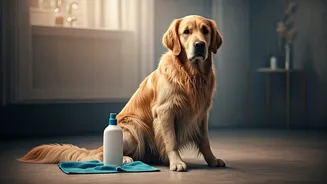
your official cleaning station. Before you even leave for your walk, lay down old towels or newspapers on the floor. Keep a 'monsoon kit' ready in a basket. This should include highly absorbent microfibre towels, a container of clean water, a gentle dog-safe shampoo or cleansing wipe, and a soft brush. Having everything in one place turns a chaotic cleanup into a streamlined, predictable process for both you and your pet.
2. Tackle the Paws First
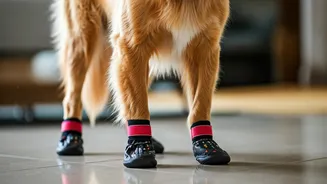
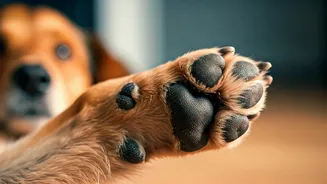
Paws are the primary carriers of mud, water, and potential germs. They need immediate attention. Instead of just wiping them, a proper wash is more effective. You can use a dedicated paw plunger, which is a silicone-bristled cup you fill with water, or simply a bucket of lukewarm water. Dip each paw in, gently swishing it to dislodge dirt from between the pads and toes. After washing, use a dedicated 'paw towel' to dry them thoroughly. Pay special attention to the area between the paw pads, as lingering moisture here can lead to fungal or bacterial infections. This single step dramatically reduces the amount of dirt tracked into your home.
3. The Full Body Towel-Down
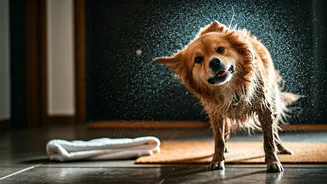
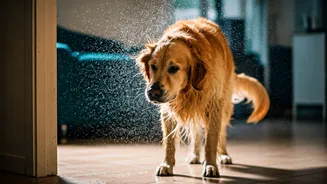
A damp coat is a breeding ground for skin problems like hot spots and yeast infections, especially in India's humid climate. A simple air-dry isn't sufficient. Use a high-absorbency towel (microfibre is excellent for this) and start by blotting and squeezing the water out of the fur, rather than rubbing vigorously. Rubbing can cause tangles and matting, especially in long-haired breeds. Work from the head down to the tail, ensuring you dry the underbelly, legs, and ears. For dogs with thick or double coats, you might need two towels. This process not only dries them but also removes a significant amount of surface dirt.
4. A Quick Brush and Comb
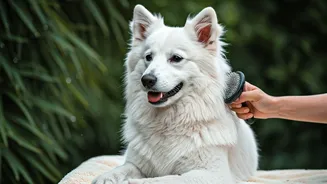
Once your dog is mostly dry, a quick brush-through is essential. This helps to separate the fur, which speeds up the final air-drying process and prevents mats from forming as the coat dries completely. For long-haired dogs, this step is non-negotiable. Use a slicker brush or a wide-toothed comb to gently work through their coat. This is also a great opportunity to do a quick check for any ticks or fleas that may have hitched a ride during the walk, as they are more active in damp, cool weather. A clean, brushed coat is a healthy coat.
5. Don't Forget the Ears and Face
Ears are particularly vulnerable to infection from moisture. After your walk, gently wipe the inside of your dog's ear flaps with a soft, dry cloth or a vet-approved ear wipe. Never insert anything into the ear canal, like a cotton bud. Just clean the visible parts to remove any water or debris. Similarly, gently wipe your dog’s face and snout with a damp cloth to clean away any dirt without getting soap or water in their eyes or nose. This finishing touch ensures no part of your dog remains damp or dirty, completing the ritual from nose to tail.