





Decoding The IMD's Colour-Coded Warnings
The India Meteorological Department (IMD) uses a simple colour-coded system to warn citizens about weather intensity. Understanding these is the first step in making smart travel decisions. A 'Green' alert means all is well and no advisory is in place.
A 'Yellow' alert is a signal to 'Be Aware'; it indicates potentially bad weather that could worsen and disrupt daily activities. An 'Orange' alert means 'Be Prepared', as it warns of extremely bad weather with the potential for disruptions in transport and power, posing a risk to life and property. The highest alert is 'Red', which means 'Take Action'. A red alert is issued for extremely severe weather conditions, like extremely heavy rainfall (over 204.5 mm in 24 hours), which pose a significant threat to life and can cause widespread damage.
Risks on the Coast: What to Watch For
For those planning a trip to coastal destinations like Goa, Varkala, or the shores of Tamil Nadu and Andhra Pradesh, weather alerts carry specific dangers. A Yellow alert might mean choppy seas and strong winds, making it wise to stay updated. An Orange alert often signifies heavy rainfall that can lead to localised flooding and dangerous sea conditions. During such times, authorities frequently ban activities like swimming, snorkelling, and boating, as high waves and strong currents become a serious risk. Ferry services between islands, such as in the Andamans or Lakshadweep, can be suspended, potentially leaving travellers stranded. A Red alert, often associated with cyclonic storms, brings the threat of storm surges, widespread coastal flooding, and destructive winds, making it essential to avoid beaches and follow all official evacuation orders.
Hazards in the Hills: A Different Kind of Danger
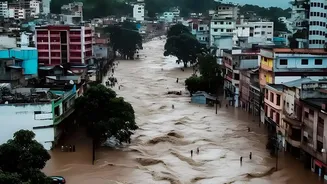
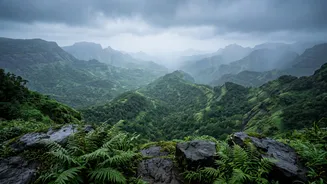
In hill stations across the Western Ghats, such as Munnar, Coorg, Wayanad, and Ooty, heavy rainfall brings a different set of perils. Even a Yellow alert for heavy rain should be taken seriously, as the terrain is vulnerable. The primary and most dangerous risk is landslides. Prolonged or intense rainfall saturates the soil on steep slopes, which can lead to catastrophic mudslides that block roads and can engulf vehicles and buildings. Flash floods in hilly streams and overflowing waterfalls can also wash away roads and bridges with little warning. During Orange or Red alerts, authorities often impose night travel bans in high-range areas due to poor visibility and the increased likelihood of landslides. It's common for tourism activities like trekking to be suspended entirely.
A Traveller's Safety Checklist
Being prepared is the best way to ensure a safe trip during a period of unsettled weather. Before and during your travels, make it a habit to check the latest forecasts on the official IMD website and listen to local authorities. Always have a flexible itinerary with buffer days to account for potential delays. Pack essentials like a waterproof jacket, quick-drying clothes, and non-slip footwear. Keep your electronic devices safe in waterproof bags and carry a fully charged power bank, as power cuts can be common. Inform your hotel or host of your daily plans, especially if heading to remote areas. If you are driving, check your tyres, drive slowly on wet roads, and never attempt to cross a flooded road or bridge.