

A Shift in Travel Mindset
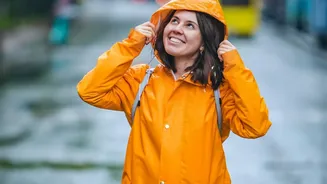
For years, the Indian travel calendar was predictable: summer for the hills and winter for the beaches. The monsoon, with its downpours and potential for disruption, was largely seen as a time to stay home. But a significant shift is underway. Travellers
are no longer just tolerating the rain; they are actively seeking it out. Recent data from travel platform Airbnb shows that domestic monsoon travel searches have surged by nearly 40% year-on-year. This trend is driven by a desire for more authentic and less crowded experiences. The rise of 'micro-cations'—short, spontaneous trips of three to five days—also plays a major role, with many, especially younger Gen Z travellers, preferring multiple small breaks over one long annual holiday. This allows them to fit travel into busy schedules and experience destinations in a new light.
The Allure of Greener Pastures
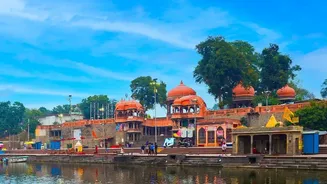
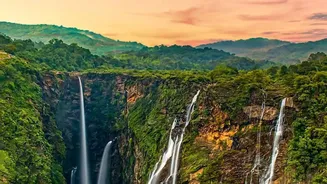
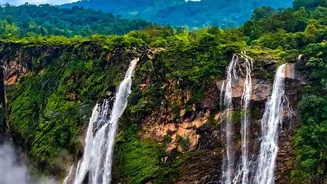
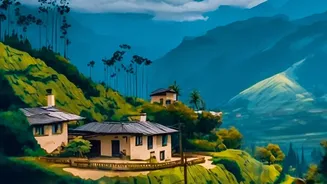
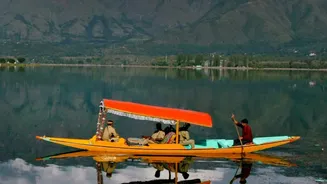
The primary draw of a monsoon trip is witnessing nature at its most dramatic and vibrant. Landscapes that are dry and muted for much of the year transform into lush, emerald spectacles. The Western Ghats, in particular, become a paradise of gushing waterfalls, misty hills, and impossibly green forests. Destinations like Coorg in Karnataka, Munnar and Wayanad in Kerala, and Lonavala and Mahabaleshwar in Maharashtra come alive during this season. Even the arid landscapes of Rajasthan take on a unique charm, with Udaipur's lakes shimmering under rain-filled skies. This seasonal makeover offers a completely different perspective on familiar places, turning a regular trip into an extraordinary visual feast.
The Economic Advantage
Beyond the scenic beauty, travelling during the monsoon makes sound financial sense. Traditionally considered the off-season, this period often brings significant discounts on flights and hotels. Luxury properties that might be out of reach during peak season become more affordable, allowing travellers to indulge without breaking the bank. While sustained demand has made prices in some popular spots like Goa more resilient, the overall value remains a key motivator. With fewer tourists, attractions are less crowded, queues are shorter, and the entire experience feels more relaxed and personal. This combination of lower costs and a more peaceful environment is a powerful incentive for budget-conscious and experience-seeking travellers alike.
Top Monsoon Havens
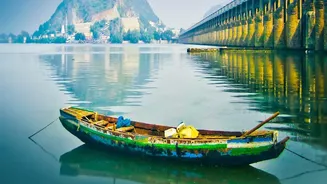
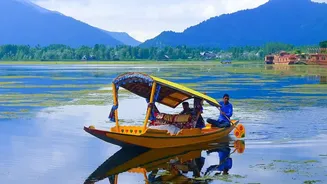
Certain destinations have become synonymous with monsoon travel. In the south, Kerala's backwaters and hill stations like Munnar and Wayanad are magnets for those seeking lush greenery and rejuvenating Ayurvedic treatments, which are said to be more effective in the humid climate. In Maharashtra, the proximity of Lonavala and Malshej Ghat to Mumbai and Pune makes them popular weekend getaways for road trips amidst cascading waterfalls. Goa, often associated with sunny beaches, offers a quieter, more serene experience during the rains, with a focus on its verdant countryside and rich culture. Meanwhile, the Northeast is emerging as a top choice, with states like Nagaland and Arunachal Pradesh seeing a massive spike in bookings from travellers looking for offbeat adventures.
Planning with Prudence
While the romance of a monsoon trip is undeniable, it does require careful planning. Heavy rains can lead to travel disruptions, including flight delays and road closures, particularly in hilly areas prone to landslides. It's wise to build flexibility into your itinerary and stay updated on local weather conditions. Packing waterproof gear, quick-drying clothes, and appropriate footwear is essential for a comfortable journey. Some national parks and wildlife sanctuaries also remain closed during this period, so it's important to check ahead if a safari is on your agenda. With a bit of foresight, however, these potential challenges are easily managed, ensuring a safe and memorable trip.