




Start with a Single Statement
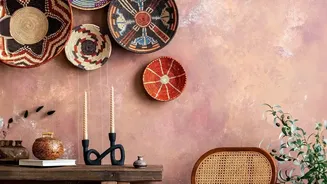
Instead of scattering multiple small items, choose one significant piece to be the focal point. A large, beautifully patterned Batik tapestry hung on a prominent wall can act as a stunning piece of art, instantly adding character and warmth. This approach
allows the textile's craftsmanship to shine without competing with other elements in the room. Alternatively, a Batik quilt or bedspread can transform a bedroom, infusing it with vibrant texture while the rest of the decor remains simple and clean. The key is to let one piece command attention, creating a deliberate and impactful design moment.
Frame It Like the Art It Is
For a more contained and formal approach, treat smaller Batik textiles as you would a painting or print. Framing a piece of Batik fabric elevates its status from a simple cloth to a work of art. This is an excellent method for incorporating intricate or delicate patterns that might otherwise get lost. You can create a gallery wall with several smaller framed pieces or use a single, larger frame to highlight a particularly detailed design. Placed behind glass, the textile is not only preserved but also given a polished, intentional look that integrates seamlessly into a modern setting.
Focus on a Cohesive Colour Palette
Let the colours within the Batik print guide the palette for the rest of your room. Modern interiors often rely on a neutral base of whites, greys, and beiges. Pick one or two accent colours from the textile and echo them in smaller decor items like cushions, vases, or books. For example, if your Batik features a deep indigo, use hints of that same blue in other accessories. This creates a sense of harmony and makes the integration of the traditional print feel deliberate and cohesive, rather than random or chaotic.
Incorporate Functional Accents
If a large wall hanging feels too bold, start with smaller, functional items. Batik fabric can be used for cushion covers, lampshades, table runners, or even placemats. These small touches add a layer of texture and personality without dominating the space. Swapping out plain cushion covers for ones with a subtle Batik pattern is an easy and low-commitment way to introduce the craft into your living room. A colourful table runner can instantly liven up a minimalist dining table, adding a touch of handcrafted elegance to everyday meals.
Balance Pattern with Negative Space
The secret to preventing a powerful pattern from overwhelming a room is to give it breathing room. In design, this is often called negative space. Ensure the wall or area around your Batik piece is uncluttered. If you have a patterned wall hanging, keep the surrounding walls bare and the furniture nearby in solid, neutral colours. This contrast allows the eye to rest and appreciate the intricacy of the Batik without feeling visually overloaded. It's this balance between pattern and simplicity that defines a successful fusion of traditional and modern styles.
Mix Materials and Textures
Create a rich, tactile experience by pairing the natural cotton or silk of Batik with modern materials. The softness and warmth of the textile create a beautiful contrast with the cool, sleek surfaces of metal, glass, or polished concrete often found in contemporary homes. For example, a Batik table runner on a glass dining table or a framed piece hanging on an exposed brick wall adds depth and interest. Layering different textures—like a woven Batik throw on a smooth leather sofa—makes a space feel more curated and thoughtfully designed.