






The Old Rule: Preventing Deficiency
The current guideline for protein intake in India, as set by the Indian Council of Medical Research (ICMR), is around 0.8 grams of protein per kilogram of body weight for a sedentary adult. For a 60 kg person, that’s about 48 grams of protein per day.
This number, known as the Recommended Dietary Allowance (RDA), was established with a clear goal: to provide the minimum amount of protein needed to prevent deficiency in the vast majority of healthy people. It’s designed to ensure your body has the basic building blocks to replace cells and maintain fundamental functions. For years, this has been the benchmark for public health nutrition. If you hit this target, you were considered to be meeting your protein needs. However, this perspective is now being challenged as a relic of a bygone era of nutrition science, one that focused on survival rather than thriving.
The New Goal: Aiming for Optimal
A new wave of research is asking a different question: what is the *optimal* amount of protein for a vibrant, healthy life? Scientists are finding that the RDA, while sufficient to prevent muscle wasting in a sedentary person, may be insufficient for achieving peak physical function, managing weight, and preserving muscle mass as we age. Experts now argue that a higher intake, perhaps in the range of 1.2 to 1.6 grams of protein per kilogram of body weight, is more appropriate for most adults, especially those who are active. The argument is that the body does more with protein than just prevent deficiency. It uses it for hormone production, immune responses, and, crucially, for building and repairing muscle tissue. The minimum might keep you going, but the optimal amount helps you thrive.
Who Needs More Protein the Most?
While a higher protein intake may benefit most people, two groups stand out: older adults and active individuals. As we get older, our bodies become less efficient at using protein to build muscle, a phenomenon called 'anabolic resistance.' This contributes to sarcopenia, the age-related loss of muscle mass and strength, which is a major cause of frailty and loss of independence. For people over 65, consuming more protein can help counteract this process. Similarly, anyone who engages in regular physical activity, from daily walks to intense gym sessions, needs more protein to repair the muscle damage caused by exercise and to build stronger tissues. Athletes have known this for years, but the science now suggests that even moderately active people benefit from going beyond the bare minimum.
It’s Not Just How Much, But When
The new science of protein is not just about the total daily amount; it’s also about how you consume it. Many people in India have a skewed protein intake, consuming very little at breakfast and lunch, followed by a large, protein-heavy dinner. Research suggests this is not the most effective strategy. To maximise muscle protein synthesis, it’s better to distribute your protein intake evenly throughout the day. Aiming for about 25-30 grams of protein per meal (breakfast, lunch, and dinner) seems to be the sweet spot. This provides a steady supply of amino acids, the building blocks of protein, keeping your body in a constant state of repair and growth. Think of it like watering a plant: a steady, consistent supply is far better than one massive drenching at the end of the day.
Meeting the Goal in an Indian Diet
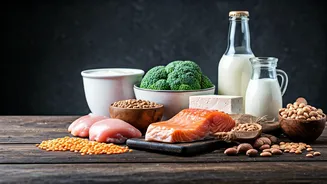
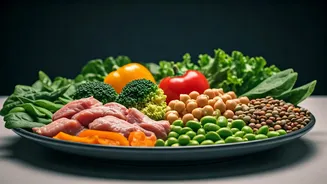
For a country with a large vegetarian population, meeting these higher protein targets can seem daunting, but it's entirely achievable with mindful planning. The key is to incorporate a quality protein source into every meal. For vegetarians, this means moving beyond just dal and roti. Excellent sources include paneer, Greek yogurt (or hung curd), soy products like tofu and edamame, lentils, chickpeas, and various seeds like hemp and chia. Combining different plant-based proteins, such as dal with rice or roti, can also help ensure you get a complete amino acid profile. For non-vegetarians, including eggs, chicken, or fish in meals makes it easier, but the principle of even distribution throughout the day still applies. The focus should be on whole food sources rather than relying solely on supplements.