




Prioritise Paw Protection
Your pet’s paws are their first point of contact with damp, dirty streets, making them highly susceptible to fungal and bacterial infections. After every single walk, no matter how short, you must clean and dry their paws thoroughly. Use a soft towel
or a low-setting hairdryer. Pay close attention to the area between their paw pads, as trapped moisture here is a common cause of irritation and infection. A simple rinse with lukewarm water and a gentle antiseptic solution recommended by your vet can work wonders. Avoid letting them lick their paws excessively after a walk, as they could ingest harmful bacteria from contaminated water.
Adjust Your Walking Routine
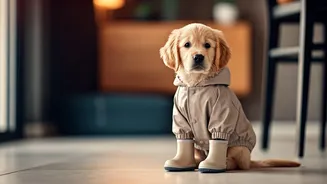
Long, leisurely strolls are off the table for a while. Shift to shorter, more frequent walks during breaks in the rain. Invest in a good quality pet raincoat and waterproof booties if your dog will tolerate them. These not only keep them dry but also minimise their contact with muck. Steer clear of stagnant water and puddles, which can be breeding grounds for dangerous bacteria like Leptospira, which causes leptospirosis—a serious and potentially fatal disease. Stick to familiar, clean paths and keep your pet on a leash to prevent them from drinking from contaminated sources or rolling in the mud.
Ramp Up Indoor Enrichment
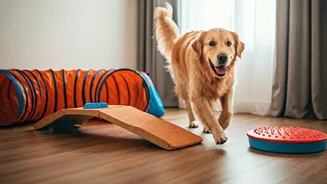
A bored pet is a destructive pet. Since outdoor activity is limited, you need to boost their indoor mental and physical stimulation. This is the perfect time to introduce puzzle feeders, which make them work for their food and engage their brains. Scent work games, where you hide treats around the house for them to find, are an excellent way to tire them out. A simple session of teaching a new trick or reinforcing old commands can also provide much-needed mental exercise. For cats, interactive toys like laser pointers or feather wands can help them burn off excess energy.
Focus on Coat and Skin Care
The constant dampness in the air can wreak havoc on your pet’s coat, leading to skin infections and that persistent “wet dog” smell. Ensure your pet is completely dry after any exposure to rain. A damp coat is a breeding ground for bacteria. Regular brushing is more important than ever to prevent matting and improve air circulation to the skin. If you must bathe them, use a vet-approved antifungal or antibacterial shampoo and ensure they are dried thoroughly. Watch out for red spots, incessant scratching, or hair loss, and consult your vet if you notice any of these signs.
Guard Against Ticks and Fleas
Don’t assume the rain washes parasites away. In fact, the high humidity of the monsoon creates an ideal environment for ticks, fleas, and mites to thrive. These pests are not just an annoyance; they can transmit serious diseases like tick fever. It is crucial to be diligent with your pet’s regular tick and flea prevention treatment. Check their coat and skin carefully after every walk, especially around the ears, neck, and between the paws. Maintaining a clean home environment by regularly washing your pet’s bedding will also help keep infestations at bay.
Mind Their Diet and Hydration
With reduced physical activity, your pet’s caloric needs may decrease slightly. Overfeeding can lead to weight gain, so you might need to adjust their portion sizes. More importantly, ensure they always have access to fresh, clean drinking water. Avoid letting them drink from any outdoor source. The monsoon can increase the risk of water-borne gastrointestinal infections. Adding a fibre-rich supplement or vegetable like pumpkin to their diet can help maintain good digestive health, which can sometimes be compromised during this season.