





The Core Concept of Staggered Readiness
Staggered readiness is the practice of intentionally buying produce and other fresh foods at different stages of ripeness. Instead of purchasing a bunch of ripe bananas or a bag of soft avocados that all need to be eaten within two days, you buy a mix.
Some are ready for today, some will be perfect mid-week, and others will ripen just in time for the weekend. This approach turns your kitchen counter and fridge into a living pantry that matures over several days, ensuring you always have something at its peak freshness. The goal is to move away from rigid, recipe-first meal planning and toward a more flexible, ingredient-first mindset that drastically cuts down on food waste and the stress of using everything up before it goes bad. This simple change helps you get the most value out of every grocery trip.
Building Your Produce Portfolio
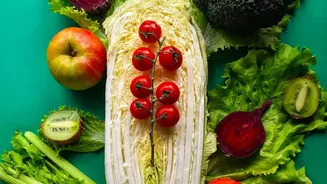
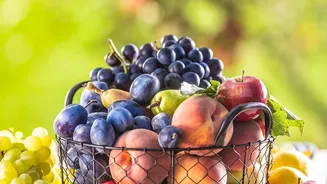
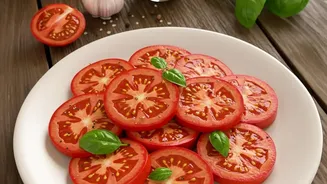
Applying this strategy starts in the produce aisle. For many fruits and vegetables, you can use your senses to gauge ripeness. Think of it as creating a portfolio of produce timed for the week ahead. For avocados, buy one that is soft and ready for tonight's tacos, a couple that are firm but yield to gentle pressure for mid-week salads, and one that is still hard to ripen later. The same logic applies to bananas; buy a mix of yellow, yellow-with-green-tips, and mostly green ones. This works for stone fruits like peaches and plums, as well as pears and tomatoes. For fruits that don't ripen after being picked, like berries and watermelon, buy only what you plan to use in the immediate future to ensure peak flavour and minimal waste.
Planning Your Week in Stages
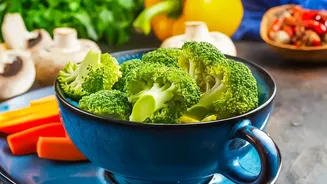
A staggered approach naturally creates a schedule for your meals. Plan to use the most perishable items in the first one to three days. This includes delicate leafy greens, fresh berries, mushrooms, and fresh fish or poultry. Mid-week is for the produce that is now perfectly ripe, like those avocados and tomatoes you bought firm, along with sturdier vegetables like bell peppers, broccoli, and zucchini. As the week closes, you'll turn to your long-haul items. These are the hardy vegetables that last for weeks if stored properly, such as potatoes, onions, garlic, carrots, and winter squash. By planning your meals around what needs to be used next, you create a natural rhythm that ensures everything gets eaten at its best.
Beyond Fruits and Veggies
The staggered readiness mindset extends beyond the produce drawer. Think about your bread: a fresh artisan loaf for the first couple of days, and a sliced loaf in the freezer for toast later in the week. The same can be done with proteins. Use fresh chicken or fish early on, then transition to frozen options or cured meats as the week progresses. Even herbs can be staggered. Use delicate fresh herbs like cilantro and parsley within days of purchase by storing them upright in a glass of water in the fridge. For later in the week, rely on hardier herbs like rosemary and thyme, or turn to dried and frozen herbs to add flavour without the risk of spoilage.
The Benefits of a Flexible Kitchen
Adopting a staggered shopping strategy does more than just reduce waste; it builds a more resilient and flexible kitchen. You're less likely to face the dreaded feeling of having 'nothing to cook' when your ingredients are maturing in waves. This method encourages creativity, prompting you to build meals around the beautiful, ripe produce you already have rather than making extra trips to the store for one specific ingredient. It reduces the mental load of constant meal planning and empowers you to make spontaneous, delicious food with what's on hand. Ultimately, it saves money, lessens your environmental impact, and makes the entire process of feeding yourself and your family more intuitive and enjoyable.