





The Celestial Show of Mid-August
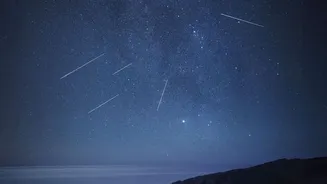
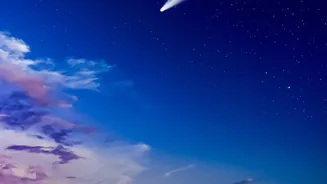
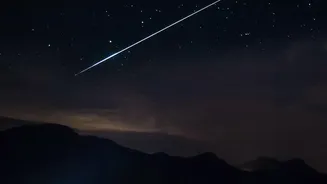
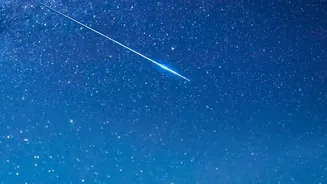
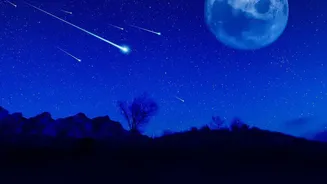
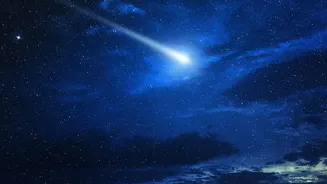
Every year around mid-August, Earth passes through the dusty trail left by the comet Swift-Tuttle, treating us to a spectacular light show known as the Perseid meteor shower. Active from mid-July to late August, the shower is set to reach its peak on
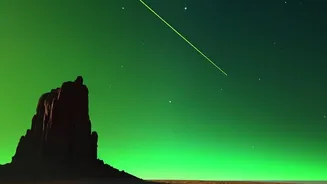
the nights of August 12 and 13, 2026. Under ideal conditions, viewers can expect to see anywhere from 50 to 100 meteors per hour. These aren't just any meteors; the Perseids are famous for being bright and fast, often leaving long, colourful trails of light as they burn up in our atmosphere. What makes 2026 exceptionally good for viewing is that the peak coincides with a new moon, meaning the sky will be perfectly dark and free of moonlight, allowing even the fainter shooting stars to shine.
What Are Dark Sky Destinations?
The reason so many people are heading to specific locations is to escape light pollution. The glow from our cities and towns washes out the night sky, obscuring all but the brightest stars. Dark sky destinations are areas that have been specifically designated for their pristine night skies. Managed by organisations like DarkSky International, these parks, reserves, and sanctuaries commit to responsible lighting policies to preserve natural darkness. This not only helps astronomers but also protects nocturnal wildlife whose behaviours are disrupted by artificial light. In India, the Hanle Dark Sky Reserve in Ladakh is the country's first such designated area, offering an unparalleled view of the cosmos. Another location, the Pench Tiger Reserve in Maharashtra, has also been named a Dark Sky Park.
The Magic of a Light-Free Sky
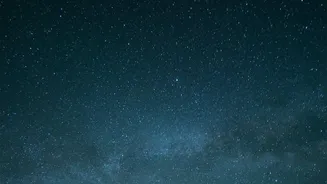
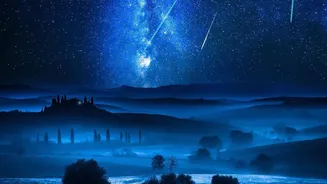
Visiting a dark sky park is like seeing the universe in high definition. For many city dwellers, the experience can be profound. In a typical urban environment, you might see a few dozen stars. From a certified dark sky location, thousands become visible, and the Milky Way often appears as a brilliant, textured band stretching across the heavens. This is the environment the Perseids are meant to be seen in. Without the interference of artificial light, your eyes can fully adapt to the dark, allowing you to catch the quick, faint meteors you would otherwise miss. The popularity of 'astro-tourism' is growing as more people seek these awe-inspiring experiences, connecting with nature on a cosmic scale.
Your Guide to a Perfect Stargazing Night
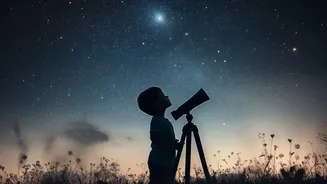
You don’t need any special equipment to enjoy a meteor shower—just your eyes and some patience. The most important thing is to get comfortable. Bring a blanket or a reclining chair so you can look up at the sky without straining your neck. Dress in warm layers, as even summer nights can get chilly when you're sitting still. Allow your eyes about 20-30 minutes to fully adjust to the darkness; this means putting your phone away, as its bright screen will ruin your night vision. If you need a light, use a torch with a red filter, which is less disruptive. Meteors can appear in any part of the sky, so just lie back, look up, and be patient. The best viewing hours are typically between midnight and dawn.
Finding Your Own Patch of Darkness
While a trip to an official Dark Sky Reserve like Hanle is an incredible experience, you don't necessarily have to travel that far. The key is simply to get as far away from city lights as possible. Look for large parks, rural areas, or hill stations away from major population centres. A drive of just an hour or two outside a major city can make a dramatic difference. Websites and apps that show light pollution maps can be a huge help in identifying a promising spot. Once you're there, find a location with a wide, open view of the sky, free from the obstruction of trees or buildings. The goal is to fill your field of vision with as much starry canvas as possible.