






The Plastic Parcel Problem
India's thriving online food delivery market has brought unparalleled convenience to millions, but it has also created a significant environmental challenge.. Every day, countless orders are dispatched in single-use plastic containers, contributing to overflowing
landfills and polluted waterways. This surge in plastic waste has put pressure on delivery platforms, restaurants, and consumers to find a more responsible way to enjoy takeaway meals.. The push for sustainability is driven by both growing consumer awareness and stricter government regulations, such as the Plastic Waste Management Rules, compelling the industry to innovate.. This has set the stage for a critical shift in how our food is packaged and delivered.
A Sweet Solution from Sugarcane
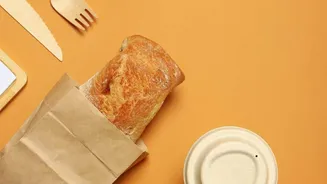
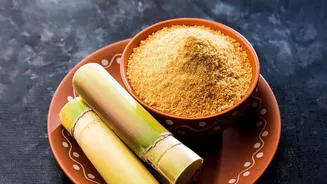
Enter sugarcane bagasse, a remarkable material poised to revolutionize food packaging. Bagasse is the dry, fibrous pulp that remains after sugarcane stalks are crushed to extract their juice.. Instead of being discarded or burned as agricultural waste, this byproduct is now being repurposed.. Through a process of moulding with heat and pressure, the bagasse pulp is transformed into sturdy, lightweight, and food-safe containers, plates, and bowls.. Because it is derived from a renewable plant resource that grows relatively quickly, it presents a highly sustainable alternative to petroleum-based plastics.. Manufacturers in India are now scaling up production, turning this agricultural residue into a cornerstone of the green economy..
Why Platforms Are Making the Switch
Food delivery platforms are actively encouraging this transition. For instance, Zomato recently launched 'PackSwitch', an online tool to help its partner restaurants find and source sustainable packaging materials, including bagasse.. This initiative aims to educate restaurants on the performance and cost of various eco-friendly options, connecting them with over 100 verified suppliers across India.. The broader 'Plastic-Free Future' program has already recognized thousands of restaurants for reducing plastic, collectively delivering over 100 million low-plastic orders by early 2026.. For platforms, promoting materials like bagasse is not just about environmental responsibility; it's a strategic business move. It enhances brand reputation, attracts eco-conscious consumers, and ensures compliance with tightening regulations..
More Than Just an Eco-Friendly Label
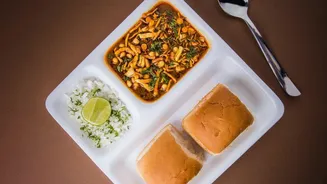
The benefits of bagasse packaging go beyond its biodegradability. These containers are surprisingly practical for food delivery. They are known for being durable, grease-resistant, and suitable for both hot and cold foods.. Many are microwave and freezer-safe, offering a level of convenience that rivals traditional plastic.. This makes them ideal for a wide range of Indian dishes, from hot curries to rice bowls.. Unlike some packaging that can impart an unwanted flavour, bagasse is odourless and does not contaminate the food.. This ensures that the meal arrives not only in a sustainable container but also with its taste and quality intact, a crucial factor for customer satisfaction.
The Challenges on the Green Path
Despite its many advantages, the transition to sugarcane bagasse is not without hurdles. One of the primary concerns for restaurants is cost, as sustainable packaging can be 10% to 30% more expensive than conventional plastic.. While some experts suggest the raw material is inexpensive, overall production costs can still be higher.. There are also questions about functionality and durability for all types of dishes, particularly those with high oil or liquid content.. Furthermore, ensuring a consistent and widespread supply chain to meet the massive demand of the food delivery industry remains a work in progress. Educating both restaurants and consumers about the benefits and proper disposal of compostable packaging is another critical step to ensure the system works as intended..