


Sabudana Khichdi
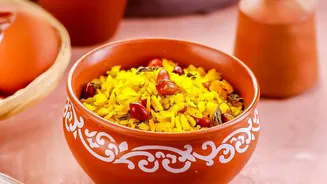
Arguably the most iconic fasting dish, Sabudana Khichdi is a staple in households across western and northern India. Made from soaked tapioca pearls (sabudana), it’s a light yet filling meal that provides a quick burst of energy thanks to its high carbohydrate
content. The magic lies in its texture and flavour combination: soft, chewy pearls are sautéed in ghee with cumin seeds, green chillies, boiled potato cubes, and the all-important roasted peanuts for a delightful crunch. A final squeeze of lemon juice cuts through the richness, making it a perfectly balanced and comforting dish for any fasting day.
Kuttu ki Puri
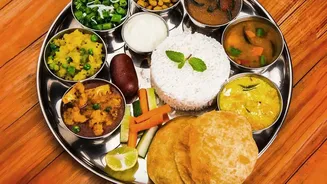
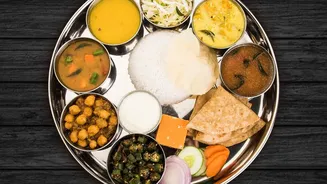
When regular grains like wheat are off the menu, buckwheat flour, or kuttu ka atta, comes to the rescue. These deep-fried puris are a festive favourite, especially popular in North India. The flour has a distinct nutty and earthy flavour and is naturally gluten-free. Often, boiled and mashed potatoes are mixed into the dough, which not only adds flavour but also helps in binding it. The result is a puri that is wonderfully crisp on the outside and soft on the inside. Typically served hot with a simple vrat-friendly potato curry (aloo ki sabzi) or cooling yogurt, Kuttu ki Puri transforms a fast into a feast.
Sama ke Chawal Pulao
For those missing rice during their fast, Sama ke Chawal, or barnyard millet, is the perfect substitute. These tiny, round grains are not technically rice but belong to the millet family and are permitted during most Hindu fasts. Cooked much like a regular pulao, the millet is sautéed in ghee with cumin seeds, green chillies, and vrat-friendly vegetables like potatoes and carrots. It cooks into a soft, fluffy, and slightly chewy dish that is incredibly light on the stomach. This simple pulao, often garnished with peanuts and fresh coriander, is a wholesome and satisfying meal, usually paired with a side of plain yogurt.
Makhana Kheer
No festive meal is complete without dessert, and Makhana Kheer is a popular choice during Sawan. Made from phool makhana (fox nuts or puffed lotus seeds), this pudding is creamy, rich, and completely vrat-compliant. The makhana are lightly roasted in ghee until crisp, then simmered in milk until they soften, helping to thicken the kheer naturally. Flavoured with cardamom, saffron, and sweetened to taste, it’s a guilt-free indulgence. Sprinkled with chopped nuts like almonds and cashews, this kheer is not just delicious but also nutritious, being rich in calcium and protein.
Aloo ki Kadhi
A tangy and comforting curry, Aloo ki Kadhi is a clever adaptation of the traditional gram flour-based kadhi. During fasts, a different set of ingredients is used to create a similar creamy consistency. This version typically uses yogurt as its base, thickened with singhara (water chestnut) or kuttu (buckwheat) flour. Boiled potatoes are added to the gently spiced yogurt gravy, which is seasoned with rock salt (sendha namak), cumin, and green chillies. It’s a light, soupy curry that pairs perfectly with Sama ke Chawal or Kuttu ki Puri, offering a delightful tang that complements other fasting dishes.
Lauki ki Sabzi
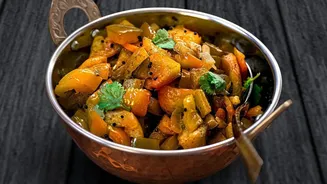
Bottle gourd, or lauki, is a humble vegetable that shines in sattvic cooking. Valued in Ayurveda for being cooling and easy to digest, it's an ideal choice for fasting menus during the humid monsoon month of Sawan. A simple Lauki ki Sabzi is prepared without onion or garlic. Instead, it’s cooked in ghee with cumin seeds, ginger, green chillies, and tomatoes (in traditions where they are permitted). The vegetable releases its own water, resulting in a soft, mildly spiced curry that is both hydrating and nourishing. It serves as a light accompaniment to heavier dishes like puris or parathas made from fasting flours.
Fruit Chaat
Simple, refreshing, and endlessly customizable, Fruit Chaat is a go-to for breaking a fast or as a light meal. It's a vibrant mix of seasonal fruits like apples, bananas, pomegranates, and papaya. What makes it a 'chaat' is the seasoning. Instead of heavy spices, a sprinkle of sendha namak (rock salt) and roasted cumin powder is added. A squeeze of fresh lemon juice brightens all the flavours, creating a snack that is simultaneously sweet, tangy, and savoury. This dish provides natural sugars for energy, vitamins, and essential hydration, making it a healthy and delicious part of the Sawan diet.