



The Complete Protein Puzzle
To understand why this pairing is so effective, we first need to talk about 'complete proteins'. Protein is made up of building blocks called amino acids. There are twenty different types, but nine of them are 'essential', meaning our bodies cannot produce
them, so we must get them from food. A food source that contains all nine of these essential amino acids in sufficient amounts is called a complete protein. These are crucial for everyone, but especially for gym-goers, as they are vital for repairing muscle tissue that gets broken down during exercise and for building new muscle mass. While animal products like meat, eggs, and dairy are well-known complete proteins, most plant-based foods are 'incomplete', as they are low in at least one essential amino acid.
Lentils: A Plant-Protein Powerhouse
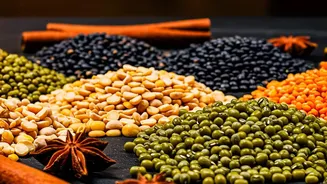
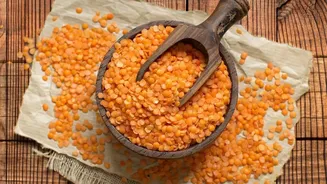
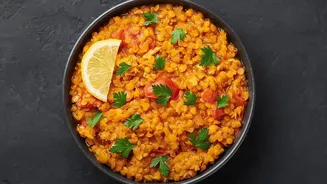
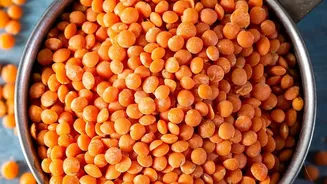
Lentils, or dal, are a staple in Indian households and for good reason. They are an incredible source of plant-based protein, with a single cooked cup offering around 18 grams. They are also packed with fibre, iron, and other essential micronutrients that support high energy levels and faster recovery from intense workouts. Lentils are particularly rich in the essential amino acid lysine and contain a good amount of leucine, which is famous for its role in triggering muscle repair and growth. However, lentils have a nutritional gap: they are low in two specific sulfur-containing amino acids, methionine and cysteine. This is what makes them an incomplete protein on their own.
Seeds: The Missing Piece
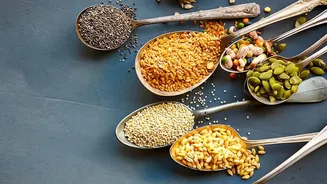
This is where seeds come in to complete the picture. The concept of 'protein combining' involves pairing two or more plant foods that complement each other's amino acid profiles to create a complete protein. Many seeds, such as sunflower, pumpkin, and sesame seeds, are rich in the very amino acids that lentils lack—methionine and cysteine. By simply adding a handful of seeds to your lentil-based meal, you fill that nutritional gap and provide your body with all the essential building blocks it needs for optimal muscle synthesis. Some seeds, like hemp and chia, are even considered complete proteins all by themselves, making them an excellent addition to any diet.
Putting Synergy into Practice
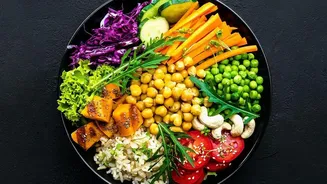
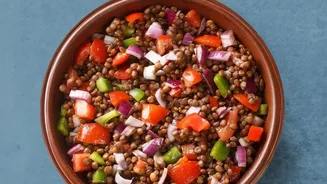
Making this nutritional strategy work for you is simple and delicious. There's no need to eat both foods in the exact same bite; consuming them in the same meal is perfectly effective. Think about your daily meals and where you can easily make these additions. Start your day with a savoury dal cheela (lentil pancake) topped with a sprinkle of toasted sesame seeds. For lunch, a hearty lentil salad becomes more powerful with a generous spoonful of roasted pumpkin seeds for crunch and nutrition. When preparing your everyday dal, consider adding a 'tadka' (tempering) not just of spices, but also of sunflower or flax seeds. You can even blend seeds into your lentil soup to make it creamier and more protein-rich. Another easy trick is to prepare a dry chutney powder made from roasted lentils, seeds, and spices that you can sprinkle over everything from idli to rice.
Beyond Muscle Growth
The benefits of combining lentils and seeds extend beyond building muscle. This pairing significantly boosts your intake of healthy fats, particularly the anti-inflammatory omega-3 and omega-6 fatty acids found in seeds like flax and chia. These fats are crucial for joint health and reducing exercise-induced inflammation. Furthermore, the combination provides a fantastic amount of dietary fibre, which aids digestion, promotes satiety, and helps stabilise blood sugar levels. This sustained energy release is perfect for powering through long workouts and preventing post-exercise energy crashes. This simple food synergy is not just about protein; it’s about creating a more nutritionally dense and health-supportive meal overall.