





The Old Story: Size Matters Most
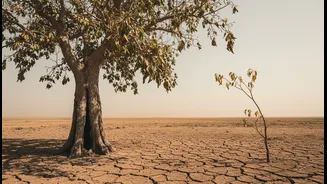
For decades, a common assumption in ecology was that a tree's height was a primary factor in its vulnerability to drought. The logic seemed straightforward. Taller trees must fight gravity to pull water up to their highest leaves, a journey that becomes
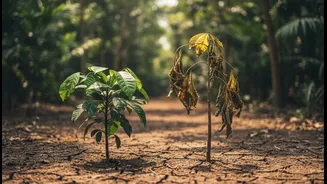
increasingly difficult as water becomes scarce. This strain could theoretically make them more susceptible to hydraulic failure, where air bubbles block the tree's water-carrying vessels, called xylem, leading to dieback. Conversely, smaller, understory trees with shallower roots might dry out faster. But recent studies are showing this simple height-based narrative is often wrong. During a major drought from 2023-2024, for example, researchers found no height-related difference in the growth decline between tall and short trees, suggesting they were affected in similar ways.
A Tree's Built-In Toolkit
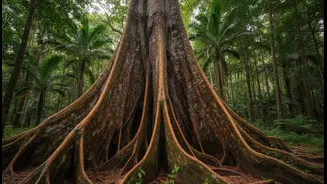
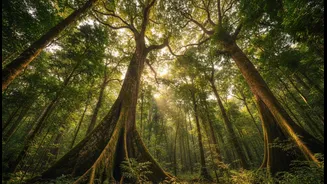
It turns out that many trees have evolved remarkable adaptations that defy the simple logic of height. A 2026 study on towering dipterocarp trees in Southeast Asia found they rebuild their internal plumbing as they grow. The water-carrying xylem vessels at the base of these giants are wider, which more than compensates for the extra resistance of pulling water up a taller trunk. Furthermore, the leaves at the very top of these trees are often tougher and more resistant to wilting under water stress. This allows them to continue photosynthesis even when the pull for water is immense. Other species employ different tactics entirely. Some have wood with higher density, which is linked to greater drought tolerance. Others have traits that help them avoid desiccation, like waxy leaf coatings or the ability to shed leaves entirely during a dry season to conserve water, a strategy known as an 'avoidance' mechanism.
It's Not Just What You Are, But Where You Are
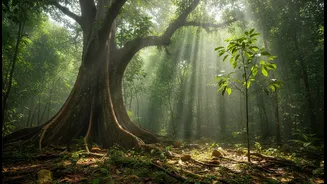
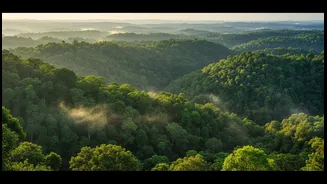
A tree's fate during a drought is also profoundly shaped by its immediate surroundings. Local topography plays a massive role. Trees growing in valleys, for example, often have access to more soil moisture and nutrients than those on exposed ridges or steep slopes, effectively creating life-saving refuges during dry spells. However, this is not a universal rule; if a valley's groundwater is too deep, it can actually worsen drought stress. Soil composition is another critical factor. Sandy soils drain quickly, while clay soils retain water longer. The microclimate—including how much sun exposure a tree gets—and competition from neighboring plants also create a unique risk profile for every single tree. Research has shown that these local factors can have variable and powerful effects, sometimes overriding a tree's inherent traits.
Why This Deeper Understanding Matters
This shift from a simple size-based model to a complex, multi-factor one has huge implications. The world's tropical forests store about 20% of all carbon in the Earth's biomass, with the largest 1% of trees holding nearly half of a forest's carbon. Understanding which trees are truly at risk is therefore essential for accurate climate modeling. If the largest trees are more resilient than previously thought, some climate forecasts that predict widespread die-offs might be too pessimistic. This nuanced view helps conservationists and forest managers identify true vulnerability hotspots. Instead of just looking at the biggest trees, they can focus on specific species in high-risk locations, like those on dry, exposed slopes. This allows for more targeted and effective strategies to protect these vital ecosystems as droughts become more frequent and severe.