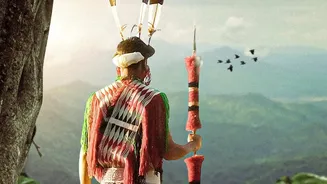




The Hornbill Festival is a vibrant celebration of Naga culture, but the magic of Nagaland doesn't end at the festival gates. To truly experience this unique land, venture beyond Kisama and explore the rich history, nature, and traditions nearby.
1. Kohima War Cemetery
A short
drive from the festival venue in Kisama, the Kohima War Cemetery is a deeply moving and immaculately maintained memorial. It honours the soldiers who lost their lives in the brutal Battle of Kohima in 1944, a pivotal moment in World War II. The cemetery is set on the grounds of what was the Deputy Commissioner's tennis court, the very site of intense fighting. The famous epitaph, 'When You Go Home, Tell Them Of Us And Say, For Your Tomorrow, We Gave Our Today', captures the profound sacrifice commemorated here. With over 1,420 Commonwealth burials, including a memorial for more than 900 Hindu and Sikh soldiers cremated according to their faith, it’s a place for quiet reflection on the price of freedom. A visit offers a poignant historical context to the modern vibrancy of Nagaland.
2. Khonoma Green Village
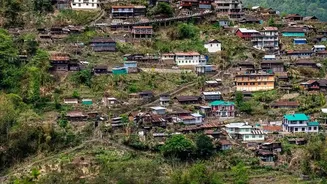
Known as India's first green village, Khonoma is about 20 km from Kohima and offers a powerful lesson in community-led conservation. The Angami residents of this village, once famous for their fierce resistance against the British, have channelled that same spirit into protecting their environment. They have banned logging and hunting within the village lands, establishing the Khonoma Nature Conservation and Tragopan Sanctuary. A walk through its stone-paved lanes reveals terraced fields growing over 40 varieties of paddy, traditional wood-and-slate houses, and a strong connection to nature. Hiring a local guide to share stories of the village's history and its transition to an eco-friendly model makes the experience even more rewarding.
3. Dzukou Valley
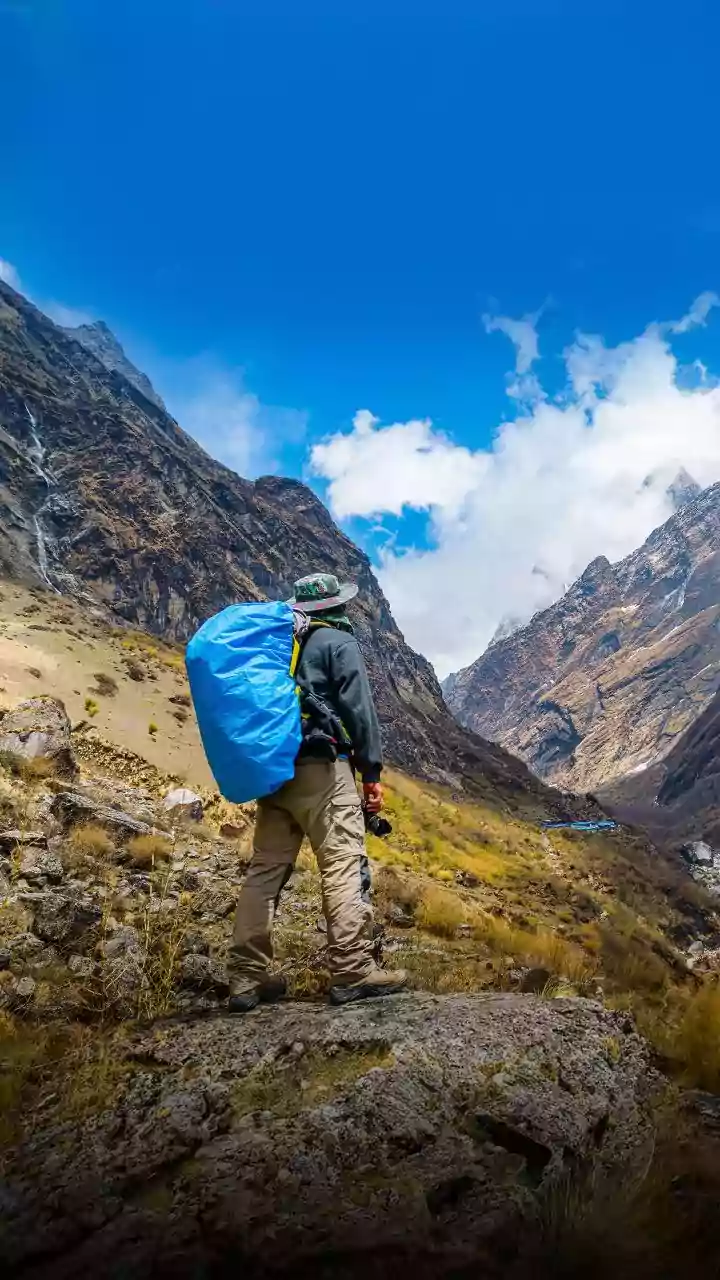
For the adventurous festival-goer, the Dzukou Valley is an unmissable natural wonder. Straddling the border of Nagaland and Manipur, this valley is famous for its rolling, treeless hills covered in a carpet of bamboo, creating a landscape that feels otherworldly. While the famous Dzukou lily blooms in the monsoon, the valley's clear views and crisp air in November and December make it a perfect post-Hornbill trek. The trek is considered moderate and can be started from the villages of Viswema or Zakhma, both accessible from Kohima. It requires a full day and reasonable fitness, but the panoramic views from the top are an incredible reward for the effort. You can even stay overnight in a basic trekker's hut for a truly immersive experience.
4. Japfu Peak
For a more challenging trek, set your sights on Japfu Peak, Nagaland's second-highest mountain at 3,048 metres. Located about 15 km south of Kohima, the trek to the summit is demanding but offers spectacular rewards. The trail takes you through dense forests, a unique bamboo maze, and culminates in a final ridge climb. From the top, on a clear day, you can see the stunning expanse of the Dzukou Valley and a wide panorama of the surrounding hills. The route is also home to the world's tallest rhododendron tree, noted in the Guinness Book of World Records. Best attempted between November and March, this trek is for seasoned hikers looking for a genuine mountain adventure.
5. Touphema Tourist Village
To experience Naga culture in a comfortable and curated setting, visit Touphema Tourist Village. Located about 41 km from Kohima, this village was created by the local community in partnership with the Nagaland Tourism Department to offer visitors an authentic taste of Angami life. You can stay in traditionally designed huts, enjoy local cuisine like smoked pork and bamboo steamed fish, and witness folk dances around a bonfire. The village also has a museum with an extensive collection of ethnographic artifacts, including wood carvings, musical instruments, and textiles. It provides a unique opportunity to learn about the Naga social system and heritage in a picturesque setting with panoramic valley views.
6. Naga Bazaar, Kohima
For a vibrant slice of local life, head to the Naga Bazaar in Kohima. This is not a typical tourist market; it's a bustling hub of commerce where you can find everything that defines the local cuisine and lifestyle. You'll see women in traditional attire selling fresh farm produce, foraged greens, and a wide array of meats. The market is also a great place to shop for authentic Naga handicrafts, such as intricately woven shawls, bamboo products, and beadwork. Even if you don't buy anything, a walk through the market offers a fascinating insight into the daily lives and rich culinary traditions of the Naga people, making it a must-visit for any culturally curious traveller.