



The Modern Plate Imbalance
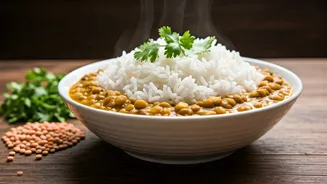
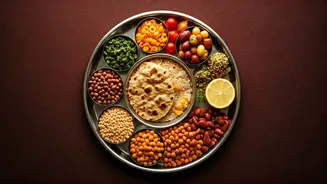
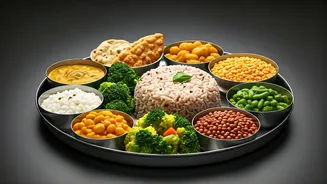
The traditional North Indian thali, in its purest form, is a balanced meal. However, our modern versions often tell a different story. Meals are frequently dominated by refined carbohydrates like white rice, naan, and pooris, with generous amounts of ghee
and oil. An average Indian diet can derive over 60% of its daily calories from carbs. While these foods provide energy, an excess, especially when paired with a less active lifestyle, can lead to health concerns. The protein and vegetable components, which should be the stars, are often relegated to side roles. This imbalance means we're getting plenty of calories but not necessarily the right kind of nutrition to fuel our bodies effectively.
Prioritising Protein Power
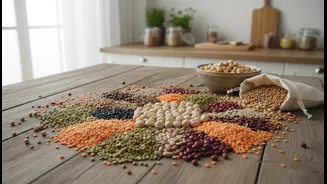
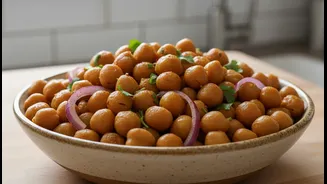
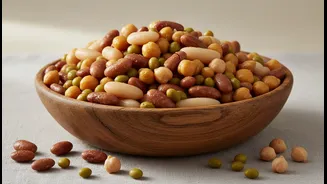
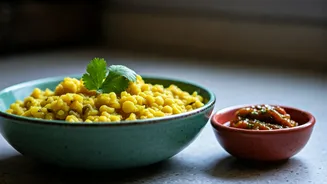
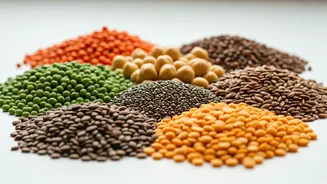
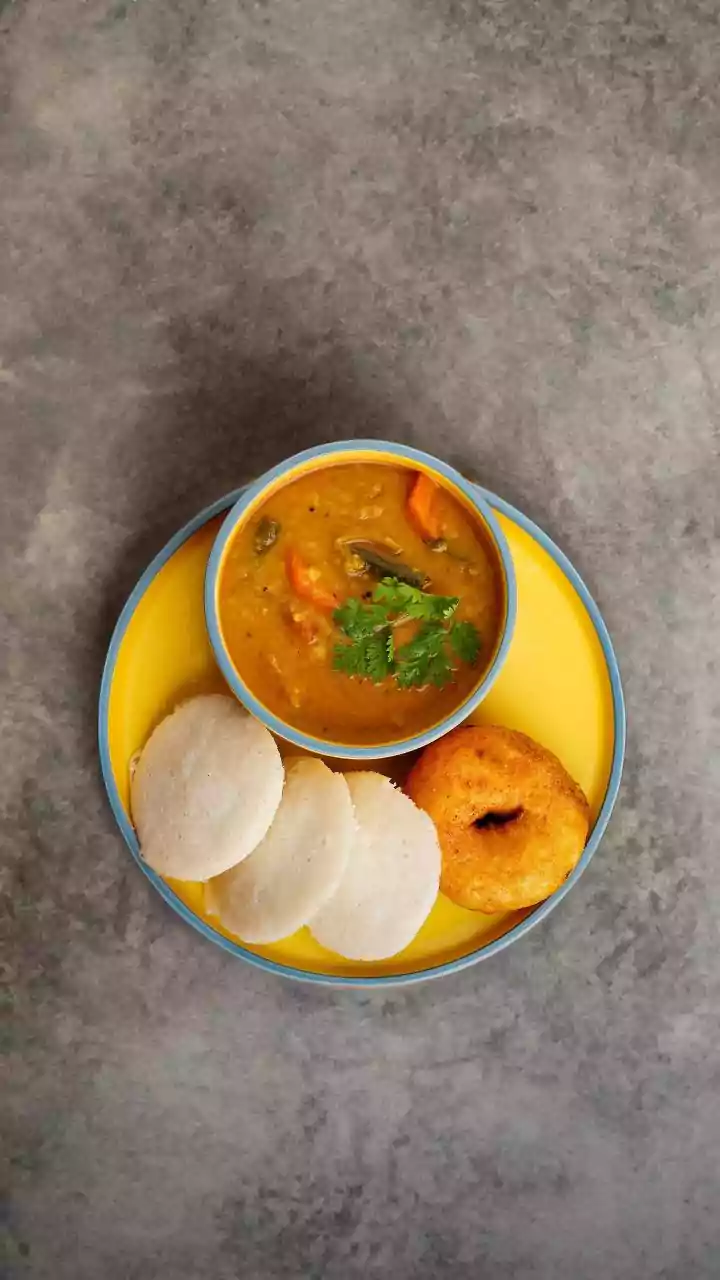
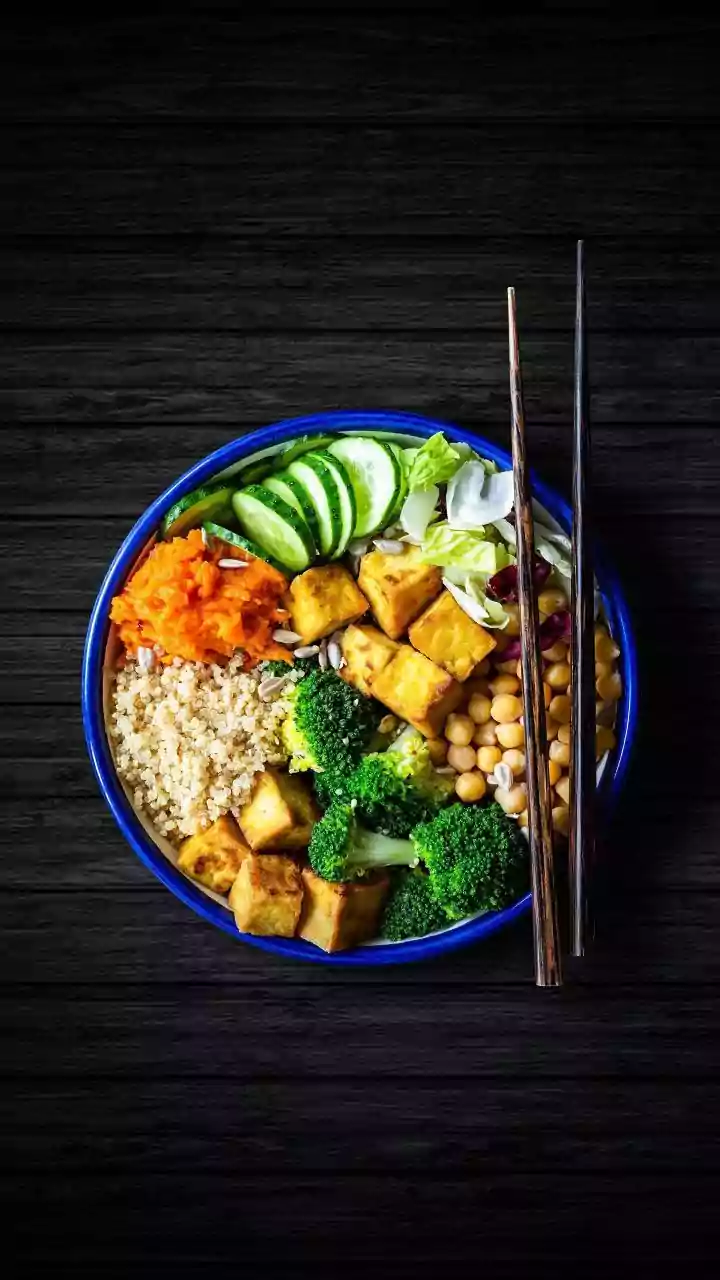
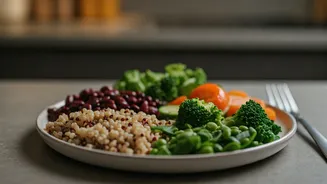
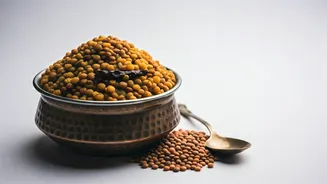
One of the biggest gaps in many modern vegetarian diets is adequate protein. Protein is essential for everything from muscle repair to immune function. While North Indian cuisine is rich in protein sources like paneer, dal, chana, and rajma, the proportions are often skewed. A meal might consist of a large serving of rice or multiple rotis with just a small katori of dal. Reversing this is key. The goal should be to make protein the centrepiece of the meal. This could mean having a larger bowl of dal, ensuring a substantial portion of paneer or tofu, or incorporating sprouted legumes into salads. It's not about eliminating carbs, but rather adjusting the ratio to ensure protein gets the attention it deserves.
Addressing Hidden Nutrient Gaps
A diet heavy in staples can sometimes lack a diversity of micronutrients. Common deficiencies in Indian vegetarian diets include Vitamin B12, Vitamin D, and iron. Vitamin B12 is almost exclusively found in animal products, so vegetarians need to rely on fortified foods or dairy products like milk and curd. Iron from plant sources (non-heme iron) is harder for the body to absorb, but pairing iron-rich foods like spinach and lentils with a source of Vitamin C—like a squeeze of lemon—can significantly boost absorption. Similarly, many Indians are deficient in Vitamin D, which is crucial for calcium absorption and bone health. Consciously including a wider variety of vegetables, seeds, and fortified products can help bridge these nutritional gaps.
Simple Swaps for a Healthier Thali
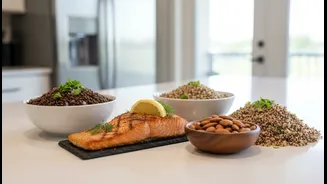
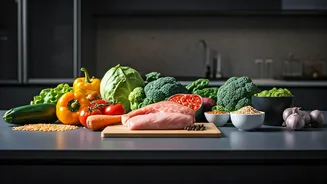
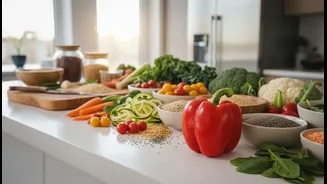
A dietary reset doesn't require a complete overhaul. Small, sustainable changes can make a huge difference. Consider swapping deep-fried pakoras for roasted or air-fried snacks. Replace some of the white rice with whole grains like brown rice or millets, which have made a major comeback. Instead of using cream or excessive oil for flavour, lean on the traditional technique of 'tadka,' which uses a small amount of fat to unlock the aromatic oils of whole spices. Loading up your plate with more seasonal vegetables, both in curries and as a side salad, automatically increases fibre and nutrient intake while helping to manage portions of heavier dishes. Even desserts can be reimagined, using natural sweeteners like jaggery or dates instead of refined sugar.