


The Nearly Indestructible Snake Plant
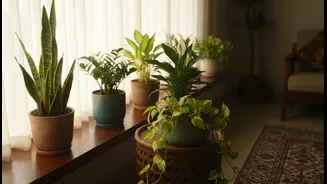
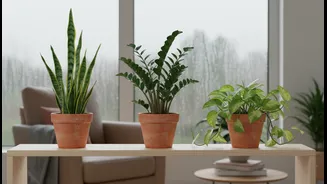
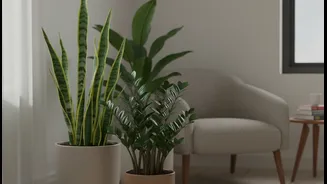
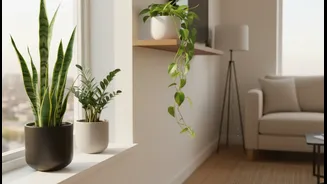
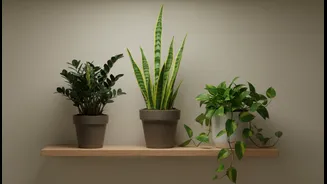
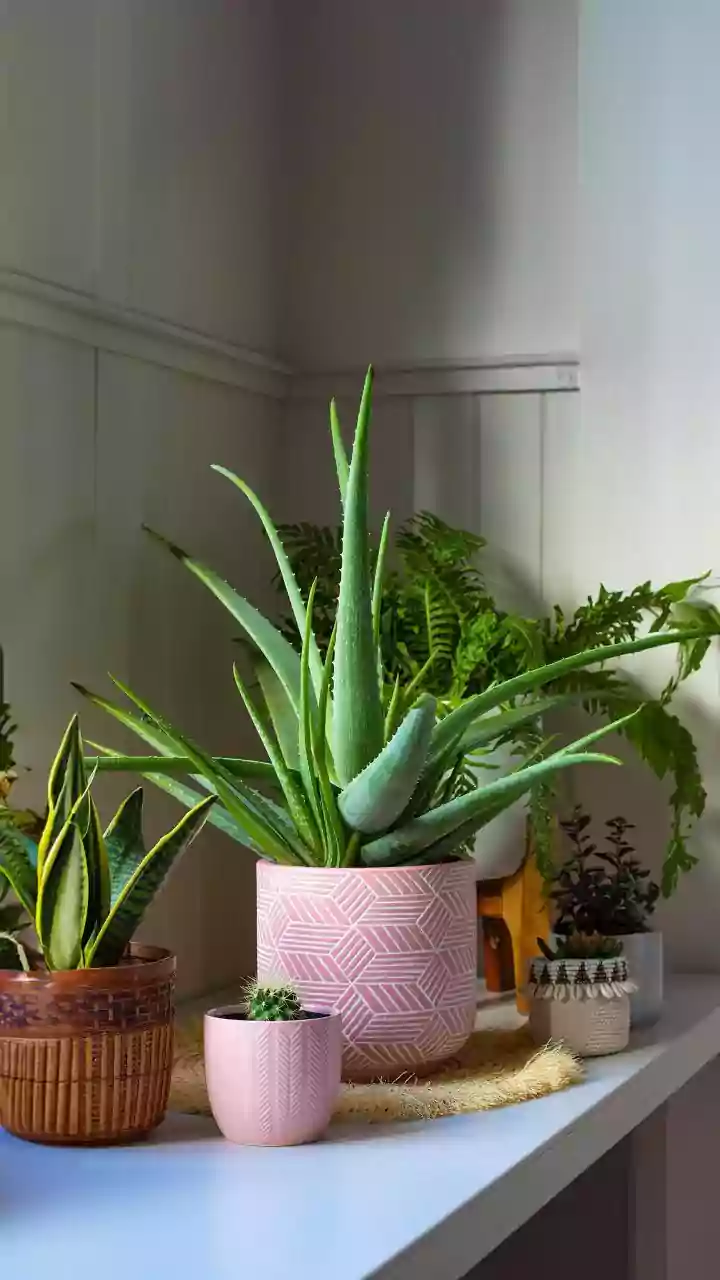
The Snake Plant, or Dracaena trifasciata, is a champion of low-light survival. Its stiff, architectural leaves shoot straight up, adding a modern, sculptural element to any room. It's known for being almost indestructible, making it perfect for beginners
or those who tend to forget their watering duties. These plants are incredibly resilient and can tolerate a wide spectrum of light conditions, from dim corners to brighter spots, though they prefer indirect light. The most common mistake is overwatering; it's best to let the soil dry out completely between waterings, as they are susceptible to root rot. They also have air-purifying qualities, making them a healthy and stylish choice for bedrooms and offices.
The Resilient ZZ Plant
Zamioculcas zamiifolia, or the ZZ Plant, is another star performer in low-light environments. With its wide, dark green, glossy leaves, it adds a touch of the tropics and reflects what little light is available, brightening up a space. Native to the dry forests of Eastern Africa, it is exceptionally drought-tolerant thanks to its large, water-storing rhizomes hidden beneath the soil. This makes it perfect for the forgetful plant owner. While it can tolerate low light, it does best in medium to bright indirect light. Like the snake plant, the ZZ Plant's biggest threat is too much water. You should allow the soil to dry out completely, which might mean watering only every two to three weeks.
The Versatile Pothos
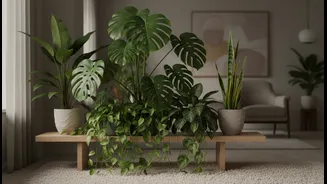
Known as Devil's Ivy, Pothos (Epipremnum aureum) is one of the most adaptable and easy-to-care-for houseplants available. Its trailing, heart-shaped leaves make it ideal for hanging baskets or for draping over shelves and bookcases. Pothos is very tolerant of a range of light conditions and can flourish even in rooms with minimal natural light, though its growth may be slower. In fact, too much direct sunlight can scorch its leaves. It’s a forgiving plant when it comes to watering; just let the top inch or two of soil dry out before giving it another drink. Overwatering is a common issue and can lead to yellowing leaves.
The Elegant Peace Lily
The Peace Lily (Spathiphyllum) is a classic choice for adding elegance to a low-light area. It features glossy, dark green leaves and produces beautiful, white spathes that are often mistaken for flowers. While many low-light plants don't flower indoors, the Peace Lily can bloom in the right conditions. They are often marketed as low-light plants, and while they can survive in shade, they thrive and are more likely to bloom in bright, indirect light. Avoid direct sun, which can burn the leaves. This plant is also quite communicative; it will visibly droop when it's thirsty, quickly perking up after a good watering. It's best to use filtered or distilled water, as they can be sensitive to chemicals in tap water.
The Colorful Chinese Evergreen
The Chinese Evergreen, or Aglaonema, is prized for its lush, patterned foliage that comes in a variety of greens, silvers, and even reds. Native to the tropical forest floors of Asia, it is well-adapted to lower light levels and can even thrive under fluorescent office lighting. This makes it one of the best choices for bringing color and life to dim spaces where other plants might struggle. Darker green varieties are more tolerant of low light, while the more colorful cultivars often prefer brighter, indirect light to maintain their vibrant patterns. Like many other plants on this list, it's important to let the soil dry out between waterings to prevent root rot.
The Old-Fashioned Spider Plant
The Spider Plant (Chlorophytum comosum) is a classic, easy-to-grow houseplant known for its arching leaves and the little “spiderettes” that dangle from the mother plant. These plants are adaptable and do well in a range of light conditions, preferring bright, indirect light but tolerating lower light levels. They are excellent air purifiers and are non-toxic, making them a safe choice for homes with pets. Care is straightforward; they prefer to dry out slightly between waterings and appreciate average room humidity. Their resilient nature and fun appearance have made them a popular choice for generations.