





Choose Your Fortress Wisely
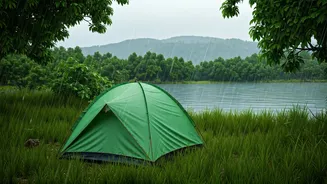
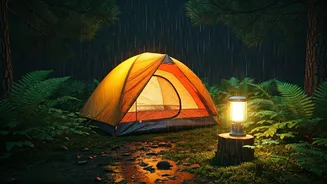
Your tent is your primary shield against the elements, so choosing the right one is non-negotiable. Look for a tent with a good Hydrostatic Head (HH) rating, which measures its waterproofness. A rating of 1500mm is a decent start, but 3000mm or more is ideal
for the Indian monsoon. Ensure the tent has taped seams, which prevent water from seeping through the stitching. A 'bathtub' floor, where the waterproof material extends up the sides, is crucial for stopping ground-level water from entering. Don't forget a 'footprint' or groundsheet to place under your tent; it adds an extra layer of protection from moisture and sharp objects.
Master the Art of Staying Dry
There's a saying among campers: there's no such thing as bad weather, only bad gear. When it comes to rain, your clothing is your first line of defence. Think in layers. Start with a synthetic or wool base layer that wicks moisture away from your skin (absolutely no cotton, as it retains water and makes you cold). Add a fleece or insulated jacket as a mid-layer for warmth. Finally, a high-quality waterproof and breathable outer shell (a rain jacket and pants) is essential. Good waterproof hiking boots with solid grip are also a must for navigating slippery trails. Pack extra pairs of wool socks; a dry pair can be a huge morale booster at the end of a wet day.
Smart Packing for a Wet World
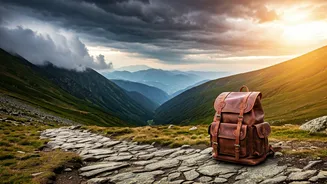
How you pack is just as important as what you pack. Invest in dry bags or stuff sacks to keep your sleeping bag, clothes, and electronics completely protected inside your backpack. Even heavy-duty garbage bags can work in a pinch. Consider bringing a lightweight tarp and some rope. You can string it up near your tent to create a covered 'porch' area for cooking or taking off wet gear before you get inside, which helps keep your sleeping space clean and dry. A powerful headlamp or lantern is crucial, as overcast skies can make it get dark surprisingly early.
Campsite Selection is Key
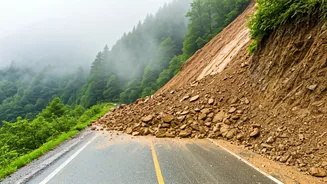
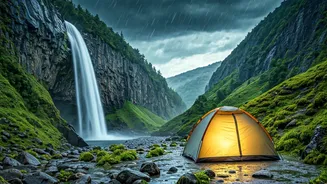
Where you pitch your tent can make or break your trip. Always choose high ground. Avoid low-lying areas, ditches, or dry riverbeds that could quickly flood during a downpour. Look for a spot with good drainage, ideally on a slight slope. While camping under trees might seem like a good way to get extra shelter, avoid isolated tall trees which can be lightning magnets during a thunderstorm. Find a spot that offers some protection from the wind but isn't directly under branches that could break and fall in a storm. Before you even leave home, check the weather forecast and any local warnings for landslides or flash floods, especially if you're heading to hilly regions like the Western Ghats or the Himalayas.
Embrace the Cosy Factor
The real magic of rainy camping happens inside the tent. Being snug and warm while listening to the pitter-patter of rain on the fly is an experience like no other. Make your shelter a haven. Bring a book you've been meaning to read, a deck of cards, or download a few movies on your phone. Plan for easy, no-fuss meals. Instant noodles, soups, and ready-to-eat meals are perfect. A flask of hot chai or coffee feels like the ultimate luxury when it's grey and wet outside. Good company and a positive attitude are your best accessories; embrace the slower pace and enjoy the simple pleasure of being sheltered in the wild.